

 0
0

 中文简体
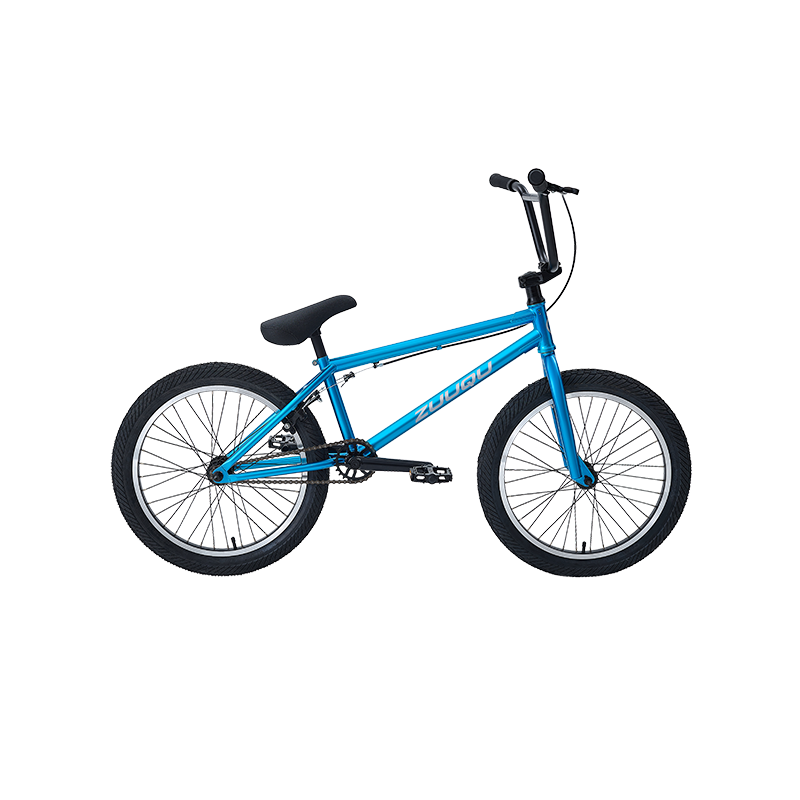
中文简体HYB-038 20"CR-MO BMX BIKE
The HYB-038 20" CR-MO BMX Bike is designed for high-performance freestyle riding, offering exceptional durability, ...

Content
The 2026 road bike market is more specialized than ever. Rather than a single “do-it-all” model, manufacturers now build clearly defined platforms for endurance riding, competitive racing, and beginner progression. Each category differs in frame geometry, stiffness tuning, wheel compatibility, and component selection. Recognizing these distinctions helps riders avoid mismatched expectations, such as choosing an aggressive race bike for long recreational rides or selecting a relaxed endurance frame for high-speed criteriums.
Geometry remains the primary dividing factor. Stack and reach measurements influence rider posture, weight distribution, and aerodynamic positioning. Endurance bikes raise the front end for comfort, race bikes lower it for speed, and entry-level models aim for balance. In 2026, even small changes in head tube angle or chainstay length can noticeably affect handling stability and cornering response.
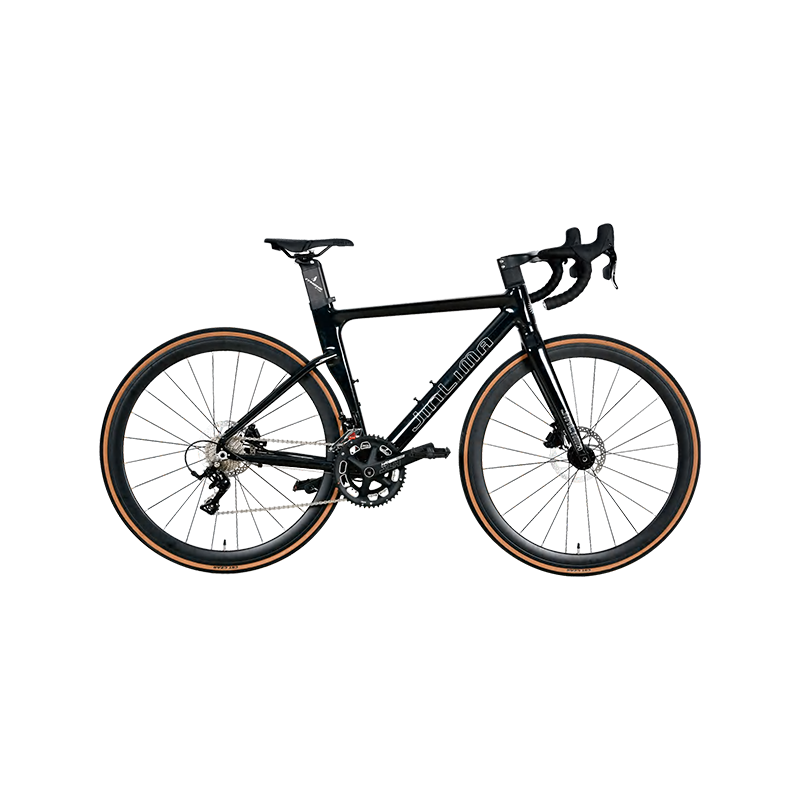
Endurance road bikes are designed for riders who prioritize sustained comfort over maximum aerodynamic efficiency. These bikes often incorporate vibration-dampening frame construction, wider tire clearance, and slightly longer wheelbases. The result is stable handling at high speeds and reduced fatigue on rough pavement.
A taller head tube and shorter reach create a more upright riding position. This reduces strain on the lower back and neck during rides exceeding two hours. Slacker head angles and longer chainstays contribute to predictable steering, particularly on descents or uneven road surfaces.
In 2026, many endurance bikes integrate carbon layups engineered to flex vertically while remaining torsionally stiff around the bottom bracket. This tuning improves power transfer without transmitting harsh road vibrations to the rider.
Race road bikes target competitive cyclists who demand maximum responsiveness under acceleration. These bikes feature aggressive stack-to-reach ratios, aerodynamic tube profiles, and reduced frame weight. The handling is sharper, allowing fast direction changes during sprints or technical descents.
Internal cable routing, integrated seatposts, and one-piece cockpit systems reduce drag and improve airflow. Deep-section carbon wheels further enhance aerodynamic performance. These design elements contribute measurable time savings over long distances at high speeds.
High-modulus carbon frames reinforce bottom bracket and head tube areas to prevent flex during hard efforts. The result is direct energy transfer from pedal stroke to drivetrain. While the ride may feel firmer compared to endurance models, competitive riders benefit from improved acceleration and sprint efficiency.
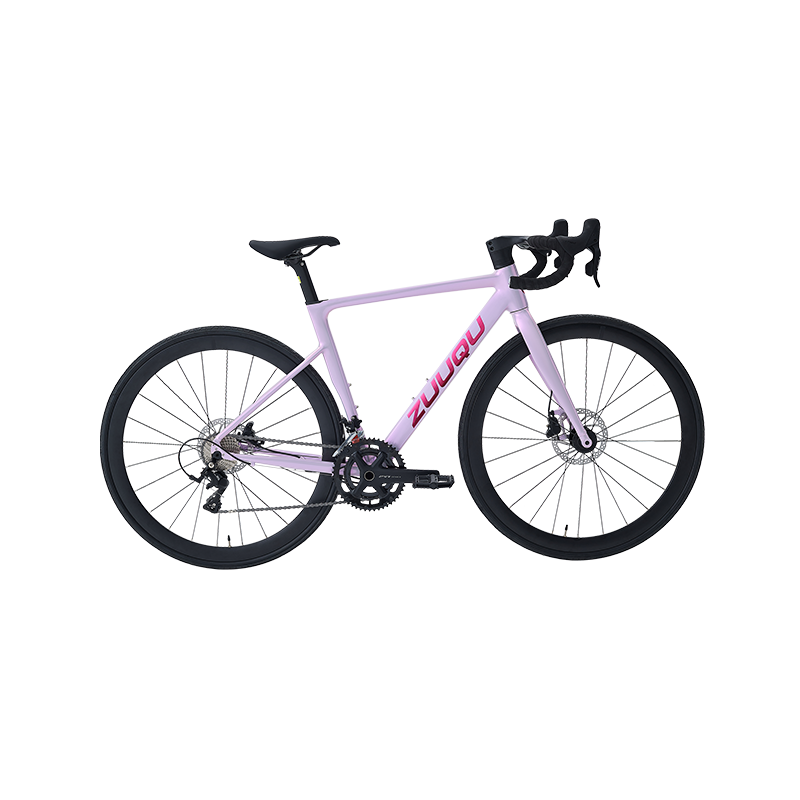
Entry-level road bikes in 2026 provide reliable performance at a manageable price point. Aluminum frames remain common due to their durability and manufacturing efficiency. Many models now incorporate carbon forks, which improve front-end responsiveness and reduce weight.
Beginner bikes use neutral geometry that supports confident handling. Steering is predictable, and wheelbases are optimized for stability rather than aggressive cornering. This makes them suitable for commuting, group rides, and structured training programs.
This upgrade path allows new cyclists to improve performance gradually without replacing the entire bike.
Carbon fiber remains dominant in mid- to high-range road bikes. Advanced layup strategies tailor stiffness zones throughout the frame. Aluminum continues evolving with hydroforming and butting processes that reduce weight while maintaining strength. Some premium endurance models incorporate carbon seatposts or compliance inserts to enhance comfort.
Manufacturers also refine bottom bracket standards and axle systems to improve drivetrain alignment and reduce friction. Thru-axle disc brake systems are now standard across most categories, improving lateral stiffness and braking reliability.
| Category | Riding Position | Frame Focus | Ideal Use |
| Endurance | Upright | Comfort and compliance | Long-distance riding |
| Race | Aggressive | Stiffness and aerodynamics | Competitive events |
| Entry-Level | Neutral | Durability and value | Training and commuting |
Fit remains the most important factor when choosing a road bike. Proper saddle height, stem length, and handlebar width significantly affect comfort and efficiency. A professional bike fitting session can prevent injury and improve long-term riding satisfaction.
Budget allocation should also reflect riding goals. Investing in a higher-quality wheelset often yields noticeable performance improvements compared to minor drivetrain upgrades. Riders planning to race may prioritize lighter frames and aerodynamic wheels, while endurance riders may benefit more from comfort-oriented design and wider tires.
The best road bike of 2026 aligns with your riding frequency, terrain, and progression goals. Evaluating geometry, materials, braking systems, and upgrade potential ensures that your selection delivers lasting performance and enjoyment on the road.

© 2024 Zhejiang Hangyi Bicycle Manufacture CO., LTD. All rights
 OEM/ODM Bikes Manufacturers
Adult Bicycles Suppliers
OEM/ODM Bikes Manufacturers
Adult Bicycles Suppliers
 Linhang industry park, Zhuji,
  +86-18858280688