

 0
0

 中文简体
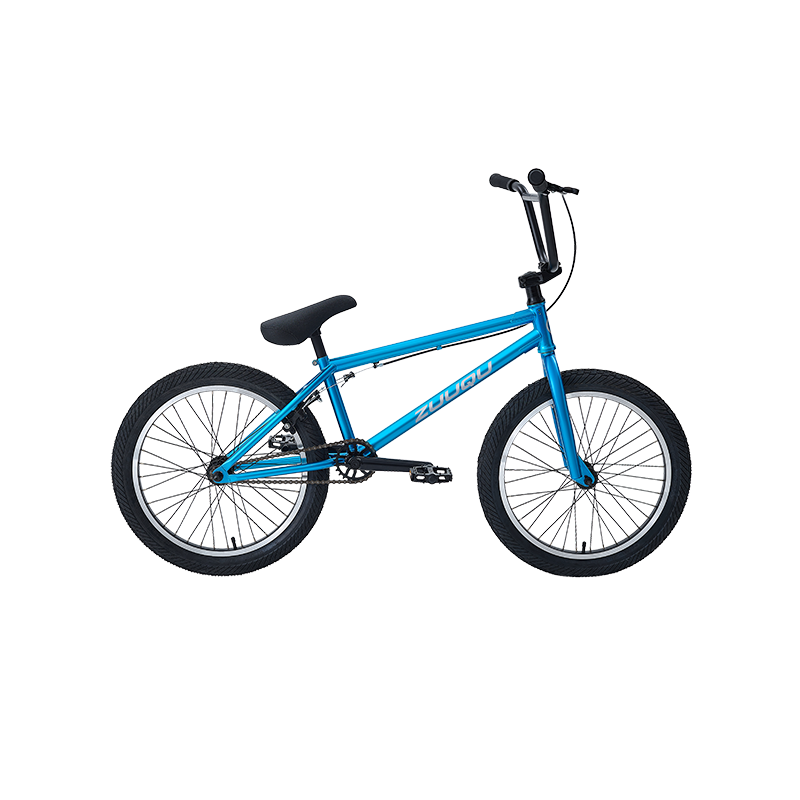
中文简体HYB-038 20"CR-MO BMX BIKE
The HYB-038 20" CR-MO BMX Bike is designed for high-performance freestyle riding, offering exceptional durability, ...

Content
Balance bikes — also called run bikes or push bikes — are pedal-free bicycles designed specifically for young children between 18 months and 5 years old. Unlike traditional bicycles, balance bikes have no pedals, chains, or gears. Instead, children use their feet to push off the ground, propelling themselves forward while learning to steer and balance simultaneously. This stripped-back design puts the focus entirely on the one skill that matters most in early cycling: balance.
The mechanics are simple but highly effective. The child sits on a low seat — low enough for their feet to rest flat on the ground — and walks or runs while straddling the frame. As confidence grows, they lift their feet and glide, naturally learning to shift their body weight to stay upright. There are no training wheels to create a false sense of stability, and no pedals to distract from the core skill. The result is an intuitive, child-led learning experience that mirrors how balance is actually developed in the body.
The balance bike benefits go well beyond simply learning to ride. Research and real-world experience consistently show that children who start on a balance bike develop a broader set of physical, cognitive, and emotional skills than those who begin with training wheels. Here is a detailed look at what kids gain from riding a balance bike regularly:
Riding a balance bike engages and refines a child's gross motor skills in a way that few other activities can. Pushing, gliding, steering, and stopping all require coordinated muscle use across the legs, core, arms, and hands. Over weeks and months of riding, children develop stronger leg muscles, improved core stability, and better hand-eye coordination. These physical foundations benefit not only cycling but also other sports and physical activities as the child grows.
Balance is a skill that must be actively learned — it does not develop automatically. Balance bikes create ideal conditions for this learning. As children glide with their feet off the ground, their vestibular system (the inner ear's balance mechanism) is constantly being challenged and refined. They also develop spatial awareness: an understanding of where their body is in relation to the bike, the ground, and obstacles around them. This translates directly into better coordination on a pedal bike later on.
One of the most underrated balance bike benefits is the confidence it builds. Because children control their own speed with their feet always close to the ground, the fear of falling is significantly reduced. Each small milestone — a longer glide, a smoother turn, a successful stop — reinforces a child's belief in their own abilities. This sense of mastery and independence carries beyond the bike, contributing to emotional resilience and a willingness to take on new physical challenges.
Perhaps the most practical of all balance bike benefits is how they prepare children for pedal bikes. Children who have ridden a balance bike already understand how to steer, lean into turns, and maintain balance at speed. When they switch to a pedal bike, the only new skill to learn is pedalling itself — which most children pick up within minutes or hours. In contrast, children who rely on training wheels often struggle with the balance component when the wheels are removed, requiring a much longer and more frustrating adjustment period.
Not all balance bikes are created equal. Selecting the right kids balance bike for your child's age, size, and riding environment makes a significant difference in how quickly they progress and how much they enjoy the experience. Here are the key factors to evaluate before purchasing:
Many entry-level balance bikes rely solely on foot braking — the child drags their feet along the ground to slow down. While this works for younger or slower riders, a balance bike with hand brake offers meaningful advantages, particularly as children grow more confident and reach higher speeds.
A hand brake introduces children to one of the most fundamental skills in cycling: using their hands to control speed. This is the exact same technique they will use on every pedal bike, mountain bike, or road bike for the rest of their cycling life. By learning it early — on a low, slow, manageable balance bike — children develop the muscle memory and instinct to reach for the brake lever without thinking. When they eventually transition to a pedal bike, stopping is already second nature.
There are practical safety benefits too. At higher gliding speeds, dragging feet is less effective and harder on shoes. A balance bike with hand brake gives the child a reliable, consistent way to stop — and gives parents greater peace of mind on slopes, paths, or near roads. Most quality hand brakes on kids balance bikes are designed with small levers that fit little hands, with reach-adjustable mechanisms that can be set closer to the handlebar for younger riders and extended as hands grow.
Experts generally recommend introducing a balance bike with hand brake from around age 2.5 to 3, once the child is riding confidently and starting to glide at speed. Younger toddlers (18 months to 2 years) typically do well with foot braking alone, as they are still moving slowly and building foundational skills.
Use the table below to compare the most important features when choosing between balance bike types:
| Feature | Wooden Balance Bike | Aluminum Balance Bike | With Hand Brake |
| Weight | Heavier | Lightweight | Varies by frame |
| Best Age Range | 18 months – 3 years | 18 months – 5 years | 2.5 – 5 years |
| Tire Type | Foam / Rubber | Foam or Pneumatic | Usually Pneumatic |
| Braking Method | Feet only | Feet or hand brake | Hand brake + feet |
| Terrain Suitability | Indoor / smooth paths | Pavement to gravel | All terrain |
| Transition to Pedal Bike | Good | Very Good | Best |
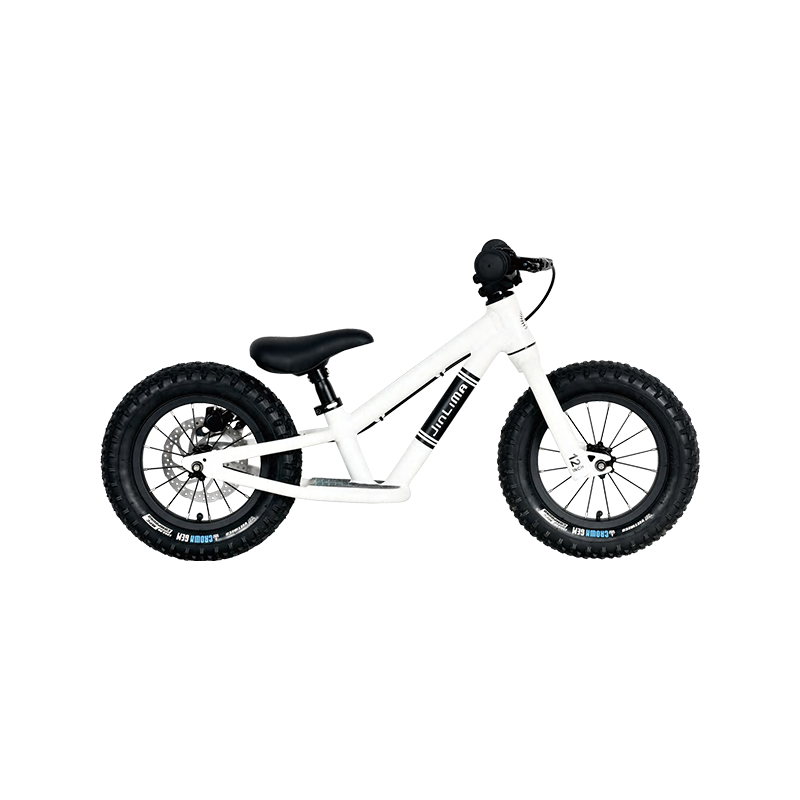
Most children are ready for their first balance bike between 18 months and 2 years old, provided they can walk confidently and have enough leg length to reach the ground from the saddle. Starting early is beneficial — the earlier a child begins developing balance and coordination, the more natural it feels by the time they move on to a pedal bike. That said, every child develops at their own pace, and some children begin their balance bike journey as late as age 3 or 4 and still progress quickly.
In the first few weeks, expect your child to walk slowly with the bike between their legs, becoming familiar with the weight and steering. Within one to three months of regular riding, most toddlers begin to run and then glide with their feet off the ground for short periods. By the time they are gliding consistently and steering confidently, they are ready to try a pedal bike — often without ever needing training wheels at all. This is the most concrete and practical of all the balance bike benefits, and the one that most parents remember most vividly.
To make the most of the experience, ride regularly in short sessions rather than infrequently for long periods. Let the child set the pace — balance bikes work best when riding feels like play, not instruction. Pair the bike with a properly fitted helmet from day one, and if your child's bike includes a hand brake, spend a few sessions specifically practicing stopping with it so the habit becomes instinctive before they need it at speed.

© 2024 Zhejiang Hangyi Bicycle Manufacture CO., LTD. All rights
 OEM/ODM Bikes Manufacturers
Adult Bicycles Suppliers
OEM/ODM Bikes Manufacturers
Adult Bicycles Suppliers
 Linhang industry park, Zhuji,
  +86-18858280688