

 0
0

 中文简体
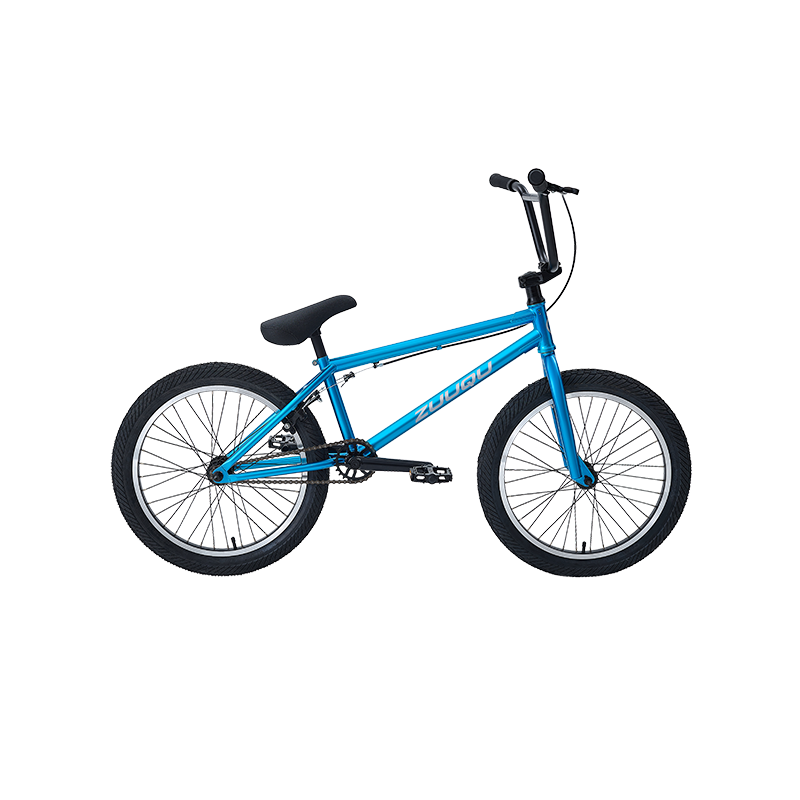
中文简体HYB-038 20"CR-MO BMX BIKE
The HYB-038 20" CR-MO BMX Bike is designed for high-performance freestyle riding, offering exceptional durability, ...

Content
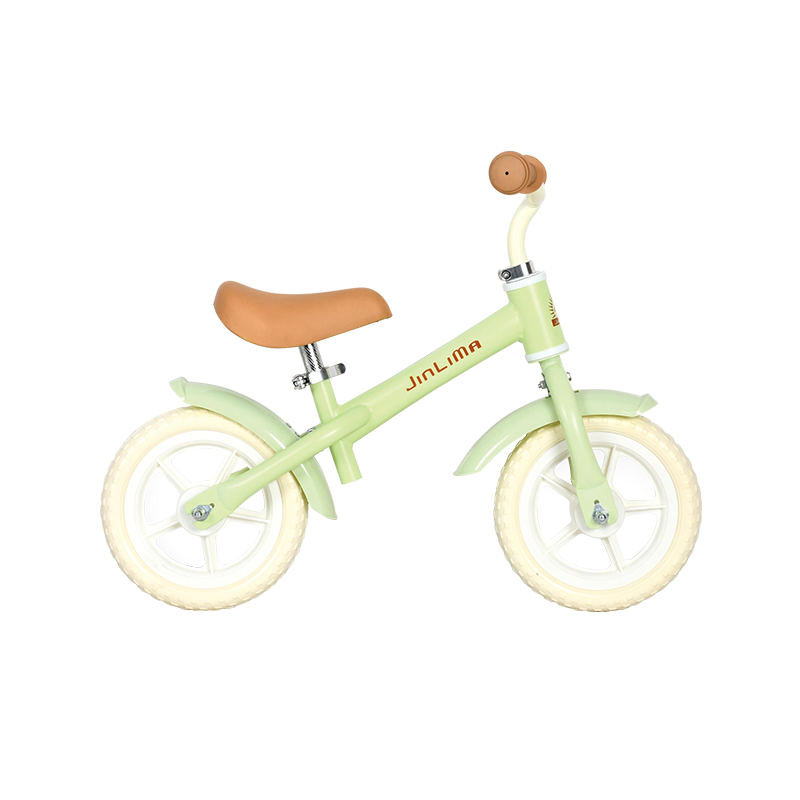
Balance bikes — also commonly referred to as run bikes or push bikes — are a category of bicycle designed from the ground up for young children who are just beginning to understand movement, coordination, and spatial awareness. Unlike conventional children's bicycles, balance bikes have no pedals, no chains, and no gears. Instead, they rely entirely on the child's feet for propulsion, making them intuitive, approachable, and remarkably effective as a first vehicle for toddlers.
The operating principle is beautifully simple. A child sits on the low-set seat, places both feet flat on the ground, and walks or scoots forward while seated. As their confidence grows, they begin to lift their feet for longer and longer glides, naturally training their sense of balance and their ability to steer. Because the child is always in control — able to put their feet down at any moment — the anxiety and fear of falling that comes with traditional pedal bikes is largely eliminated. This makes balance bikes one of the most psychologically effective tools for building a child's early cycling confidence.
For generations, training wheels were considered the standard pathway to learning to ride a bicycle. However, research and practical experience have consistently shown that training wheels actually delay the development of genuine balance skills. A child riding with training wheels learns to lean into the stabilizers rather than centering their body weight over the bike's axis — a habit that has to be actively unlearned when the training wheels are eventually removed.
Balance bikes solve this problem at the root. By removing pedals entirely and lowering the seat so that both feet can rest flat on the ground simultaneously, balance bikes force the child to develop true equilibrium from the very first ride. The result is that most children who learn on a balance bike transition to a full pedal bicycle — without any training wheels — far more quickly and with significantly less distress than those who used stabilizers. Many children make the switch to pedal bikes within hours of their first attempt, having already internalized the most difficult skill: staying upright.
Selecting the right balance bikes for 2 year old riders requires paying careful attention to sizing, weight, materials, and safety features. At this age, children are still developing gross motor control and their legs are short, so a bike that is even slightly too large can be frustrating and counterproductive. The goal is to find a model that allows the child to sit on the seat with both feet planted flat on the ground and knees slightly bent — never outstretched or strained.
For most 2-year-olds, an inseam measurement of 30 to 38 centimeters is typical. Look for balance bikes with a minimum seat height in that range and with enough adjustability to grow with the child over the following year or two. Many quality models offer adjustable seats without tools, making it easy to raise the saddle as the child grows taller without requiring a trip to a bike shop.
A 2-year-old typically weighs between 11 and 14 kilograms. A bike that weighs more than 30% of the child's body weight becomes difficult to maneuver, steer, and pick up after a tumble. Lightweight aluminum frames are ideal for this age group, keeping the total bike weight under 3.5 kilograms while still offering structural durability. Wooden balance bikes, while aesthetically charming, tend to be heavier and less adjustable, making them better suited for decorative or occasional use than for daily riding development.
Balance bikes come with either foam-filled tires or pneumatic (air-filled) tires. Foam tires are puncture-proof and maintenance-free, which is a genuine advantage for parents. Pneumatic tires, however, provide better grip and a smoother ride over uneven surfaces like grass, gravel, or cracked pavement — conditions that are common in parks and playgrounds where toddlers typically ride. For a 2-year-old just starting out on smooth surfaces, foam tires are perfectly adequate. For more adventurous terrain or older toddlers, pneumatic tires offer a meaningful performance advantage.
Understanding which features matter most at different developmental stages helps parents avoid overspending on features their child isn't ready to use, or underspending and missing features that would genuinely accelerate learning. The table below summarizes the most important specifications for balance bikes across early toddler and older toddler age groups:
| Feature | Ages 18 Months – 2 Years | Ages 3 – 5 Years |
| Minimum Seat Height | 28–32 cm | 35–45 cm |
| Ideal Bike Weight | Under 3 kg | Under 4.5 kg |
| Hand Brake | Not essential | Recommended |
| Tire Type | Foam or pneumatic | Pneumatic preferred |
| Frame Material | Aluminum or composite | Aluminum or steel |
| Footrest | Optional | Useful for gliding |
The advantages of balance bikes extend well beyond simply learning to ride a bicycle. Because riding requires the simultaneous coordination of leg movement, upper body steering, visual tracking, and postural adjustment, balance bikes serve as a comprehensive motor development tool for toddlers at a critical stage of physical growth.
While balance bikes are inherently safer than pedal bikes for young children — due to the low seat height and the ability to stop instantly with feet — basic safety practices still apply and should be established from the very first ride to build lifelong habits.
One of the most rewarding outcomes of balance bike riding is how naturally it prepares children for the transition to a conventional pedal bicycle. Because balance — the hardest skill to acquire — has already been mastered, children typically need only a short introduction to the mechanics of pedaling before they are riding independently. Most children who have spent six months or more on a balance bike are ready to attempt a pedal bike between the ages of 3.5 and 5, depending on their size and confidence level.
To make the transition smooth, remove the pedals from the first pedal bike initially and let the child ride it as they would a balance bike, getting used to the slightly higher weight and different geometry. Once they are gliding comfortably, reattach the pedals and encourage them to try pushing off with one foot and placing the other on the pedal. Most children complete this transition within a single session, a testament to the power of the foundational skills that balance bikes build from as early as 18 months of age.

© 2024 Zhejiang Hangyi Bicycle Manufacture CO., LTD. All rights
 OEM/ODM Bikes Manufacturers
Adult Bicycles Suppliers
OEM/ODM Bikes Manufacturers
Adult Bicycles Suppliers
 Linhang industry park, Zhuji,
  +86-18858280688