

 0
0

 中文简体
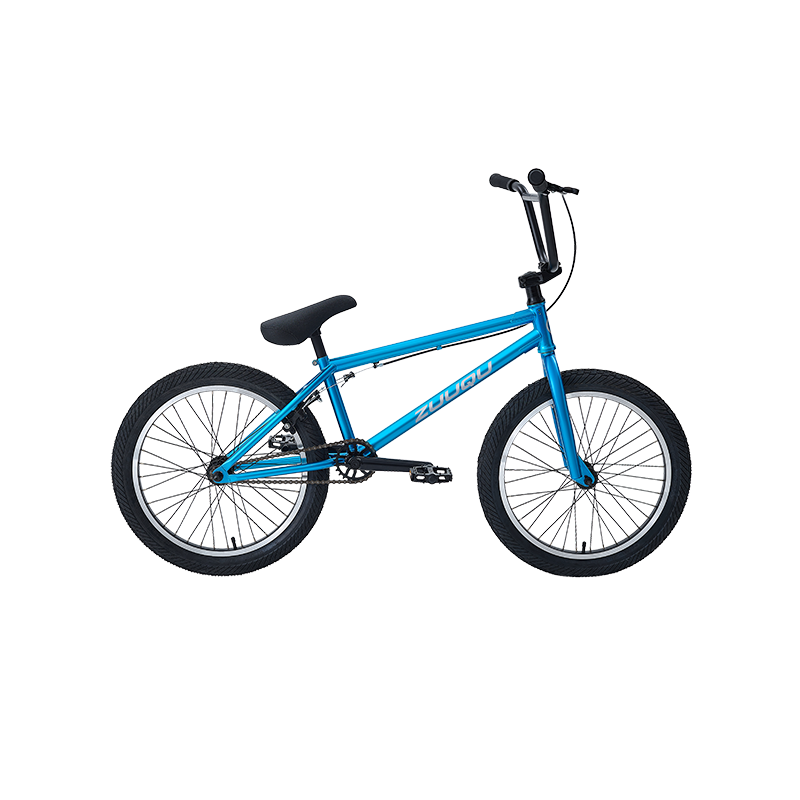
中文简体HYB-038 20"CR-MO BMX BIKE
The HYB-038 20" CR-MO BMX Bike is designed for high-performance freestyle riding, offering exceptional durability, ...

Content
Balance bikes are pedal-free bicycles designed to help young children learn balance and steering before transitioning to traditional bikes. Instead of using pedals, children propel themselves forward with their feet, gradually lifting them as confidence and coordination improve. This natural movement allows riders to focus on balance control rather than managing pedaling and braking at the same time.
By eliminating training wheels, balance bikes encourage children to develop core stability and spatial awareness early. The riding experience closely mirrors that of a standard bicycle, making the eventual transition smoother and more intuitive.
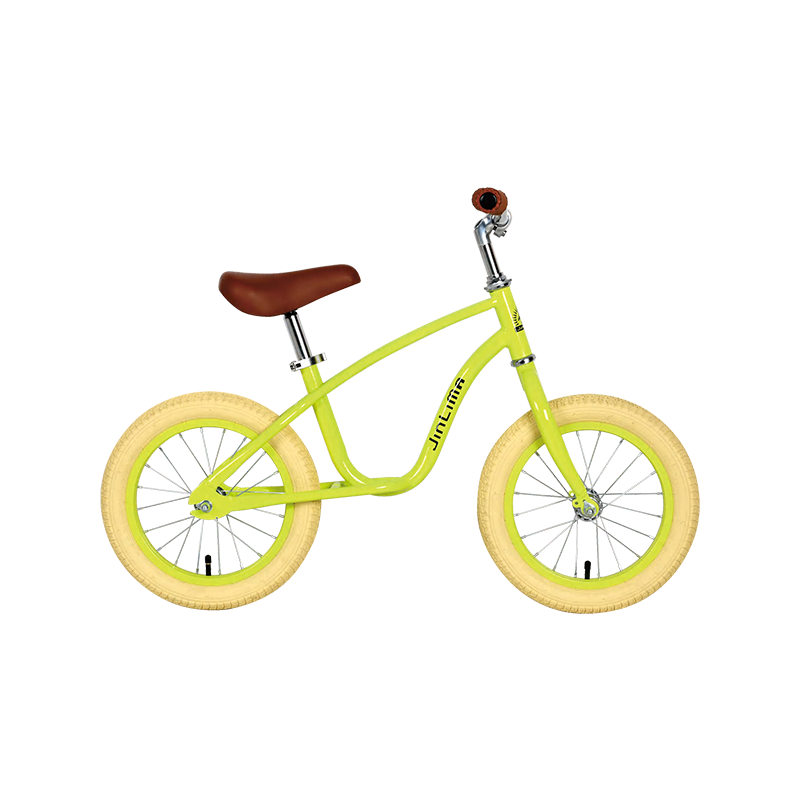
Balance bikes offer practical developmental advantages that go beyond basic riding skills. Their design supports both physical and cognitive growth during early childhood.
Choosing the correct balance bike size is more important than focusing on age alone. Proper sizing ensures comfort, safety, and effective skill development. A child should be able to sit on the saddle with both feet flat on the ground.
Seat height adjustability is a key feature, allowing the bike to grow with the child and extend its usable lifespan.
| Child Height | Recommended Wheel Size | Typical Age Range |
| 80–95 cm | 10 inch | 1.5–3 years |
| 95–110 cm | 12 inch | 2–5 years |
Balance bikes are available in different frame materials, each offering specific practical advantages. The choice often depends on weight preferences, durability requirements, and riding environment.
Frame geometry also affects riding posture. A lower center of gravity improves stability, while ergonomic handlebars support natural steering control.
Tire selection plays a significant role in riding comfort and terrain adaptability. Foam tires require minimal maintenance, while pneumatic tires provide better shock absorption on uneven surfaces.
Some balance bikes include hand brakes, typically recommended for older children who have developed sufficient hand strength. Safety features such as rounded edges, padded handlebars, and non-slip grips further enhance riding security.
Balance bikes differ fundamentally from traditional training wheel bikes in skill development approach. While training wheels provide artificial stability, balance bikes teach children to manage equilibrium from the start.
| Aspect | Balance Bikes | Training Wheel Bikes |
| Balance Development | Direct and continuous | Delayed |
| Transition to Pedal Bike | Smooth and quick | Often requires adjustment period |
Selecting a balance bike involves evaluating fit, adjustability, and intended usage. A properly fitted bike supports confidence and encourages regular practice. Adjustable seat height, lightweight construction, and suitable tires should be prioritized over decorative features.
Matching the bike to the child’s physical development and riding environment ensures a positive learning experience and long-term usability.
Balance bikes are widely adopted because they provide a practical and intuitive way for children to learn essential cycling skills. By focusing on balance, steering, and confidence, they prepare young riders for pedal bikes with minimal additional training.
Their simple design, combined with effective skill development, makes balance bikes a reliable choice for introducing children to independent riding.

© 2024 Zhejiang Hangyi Bicycle Manufacture CO., LTD. All rights
 OEM/ODM Bikes Manufacturers
Adult Bicycles Suppliers
OEM/ODM Bikes Manufacturers
Adult Bicycles Suppliers
 Linhang industry park, Zhuji,
  +86-18858280688