

 0
0

 中文简体
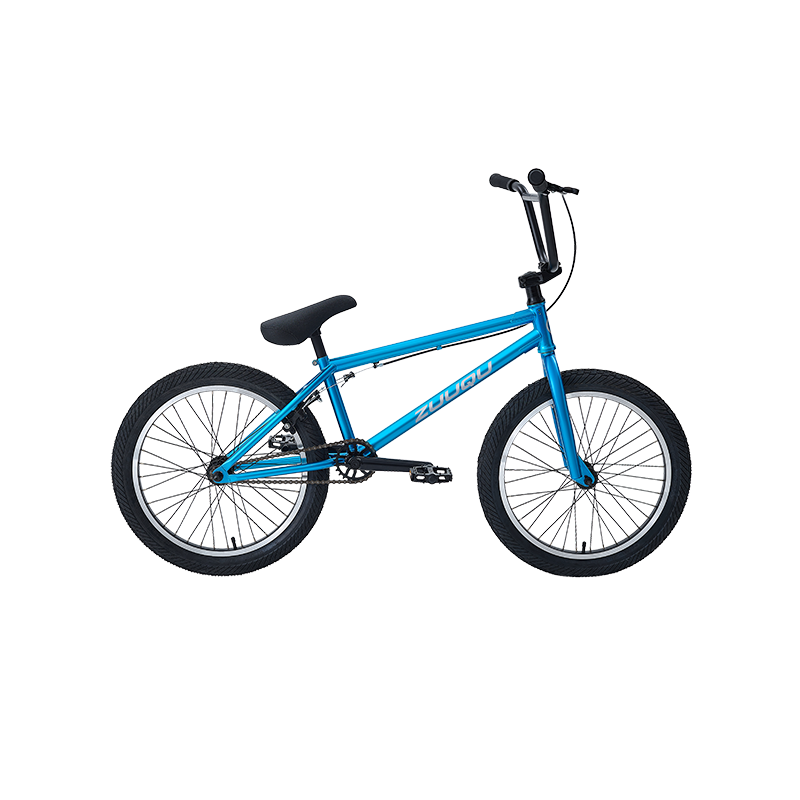
中文简体HYB-038 20"CR-MO BMX BIKE
The HYB-038 20" CR-MO BMX Bike is designed for high-performance freestyle riding, offering exceptional durability, ...

Content
Balance bikes are two-wheeled bikes without pedals, designed to help young children develop balance, coordination, and confidence before transitioning to a traditional bicycle. They are widely recommended for toddlers and preschoolers because they allow children to focus solely on learning how to balance, which is the most critical skill for riding safely and confidently.
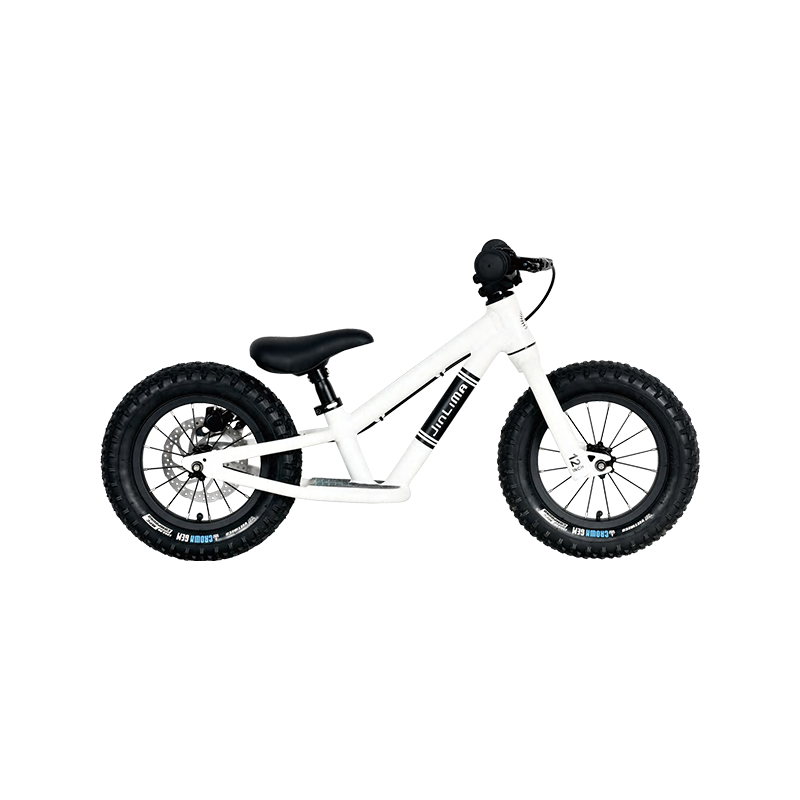
Understanding the core features of balance bikes helps parents select the right model for their child’s age, size, and skill level.
Balance bikes offer multiple advantages that make them highly effective for early cycling development:
Selecting the right balance bike requires careful consideration of the child’s age, height, and intended use. Key factors include:
The following table summarizes common specifications of balance bikes to help parents make an informed choice:
| Specification | Typical Range |
|---|---|
| Age Range | 18 months – 5 years |
| Seat Height | 30cm – 50cm |
| Frame Material | Aluminum, Steel, or Wood |
| Tire Type | Air-filled or EVA foam |
| Weight | 3kg – 7kg |
Safety is paramount when introducing children to balance bikes. Parents should follow these guidelines:
Balance bikes are an essential tool for developing early cycling skills. By focusing on balance and coordination, these bikes help children gain confidence, enjoy outdoor activities, and transition smoothly to pedal bikes. Choosing the right model and ensuring proper use can maximize safety, performance, and long-term enjoyment for young riders.

© 2024 Zhejiang Hangyi Bicycle Manufacture CO., LTD. All rights
 OEM/ODM Bikes Manufacturers
Adult Bicycles Suppliers
OEM/ODM Bikes Manufacturers
Adult Bicycles Suppliers
 Linhang industry park, Zhuji,
  +86-18858280688