

 0
0

 中文简体
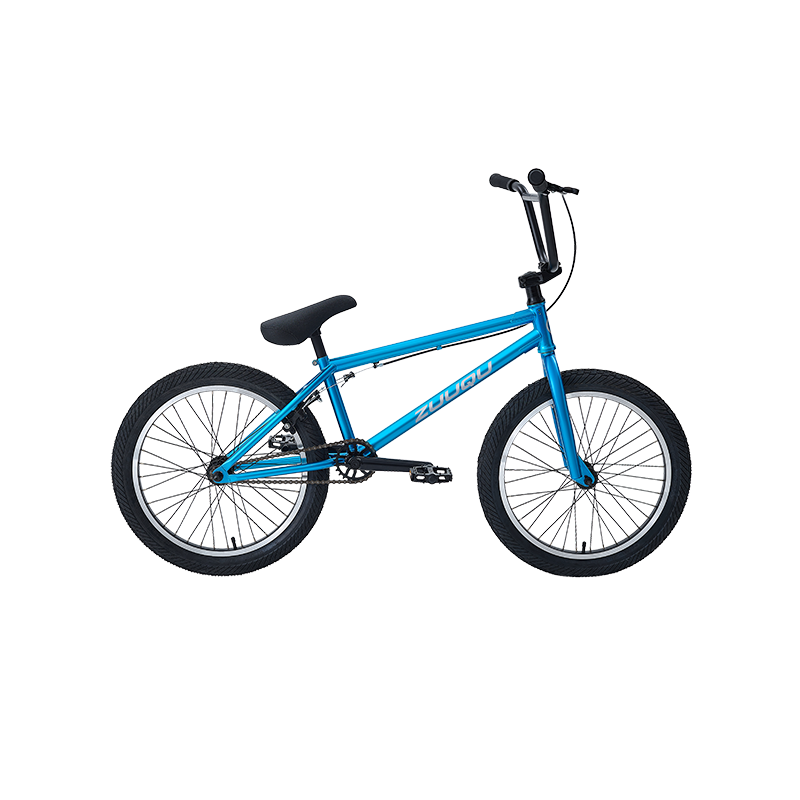
中文简体HYB-038 20"CR-MO BMX BIKE
The HYB-038 20" CR-MO BMX Bike is designed for high-performance freestyle riding, offering exceptional durability, ...

Content
Choosing the right electric bike begins with understanding the various types available on the market. Each type is designed for a specific purpose, which affects performance, comfort, and suitability for your lifestyle. Common types include city/commuter e-bikes, mountain e-bikes, folding e-bikes, and cargo e-bikes. Knowing the distinctions helps you select a bike that aligns with your daily needs and riding preferences.
For instance, city e-bikes are optimized for paved roads and urban commuting, providing a smooth ride and convenient features like racks or fenders. Mountain e-bikes offer robust suspension and powerful motors suitable for off-road trails, while folding e-bikes are compact and portable, ideal for apartment dwellers or multi-modal commutes. Cargo e-bikes are engineered to carry heavy loads, making them perfect for families or delivery services.
Motor power and battery life are critical factors that directly affect performance and range. E-bike motors typically range from 250W to 750W, with higher wattage providing more assistance on hills and longer rides. Battery capacity, usually measured in watt-hours (Wh), determines how far you can travel on a single charge. Riders should consider the terrain, commute distance, and expected usage frequency when evaluating these specifications.
Key considerations include:
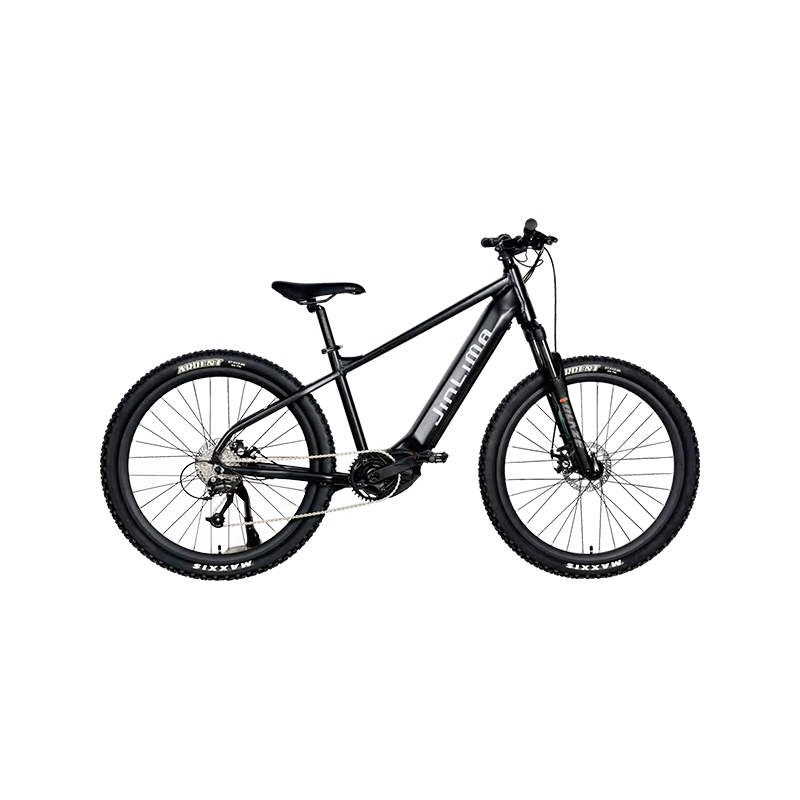
Comfort is a crucial factor, especially for riders who spend long periods on the bike. The frame geometry, saddle design, handlebar height, and suspension system all contribute to an ergonomic riding experience. A well-fitted bike reduces fatigue and allows for better control, particularly on longer commutes or varied terrains.
Important features to assess include:
Beyond motor and comfort, practical features enhance usability and convenience. These include integrated lights, fenders, cargo racks, and digital displays. Choosing an e-bike with suitable accessories ensures it meets your daily commuting or recreational requirements without needing aftermarket modifications.
Common practical features include:
Pricing is an important factor when choosing the right e-bike. Electric bikes can range from a few hundred dollars to several thousand, depending on motor quality, battery capacity, and additional features. It is essential to weigh the value of features against your actual needs to avoid overspending on unnecessary specifications.
The table below summarizes typical budget ranges and corresponding e-bike features:
| Price Range | Features | Best For |
| $500–$1,000 | Basic motor, moderate battery, limited accessories | Casual riders, short commutes |
| $1,000–$2,500 | High-quality motor, long-range battery, additional features | Frequent commuters, urban riders |
| $2,500+ | Top-tier motors, advanced electronics, premium build | Serious enthusiasts, long-distance or off-road riders |
Selecting the right electric bike requires careful consideration of your lifestyle, riding habits, and priorities. By evaluating the type of e-bike, motor power, battery capacity, comfort features, practical accessories, and budget, you can choose a bike that enhances your commuting experience or recreational rides. Investing time in understanding these factors ensures you enjoy maximum performance, safety, and convenience from your electric bike for years to come.

© 2024 Zhejiang Hangyi Bicycle Manufacture CO., LTD. All rights
 OEM/ODM Bikes Manufacturers
Adult Bicycles Suppliers
OEM/ODM Bikes Manufacturers
Adult Bicycles Suppliers
 Linhang industry park, Zhuji,
  +86-18858280688