

 0
0

 中文简体
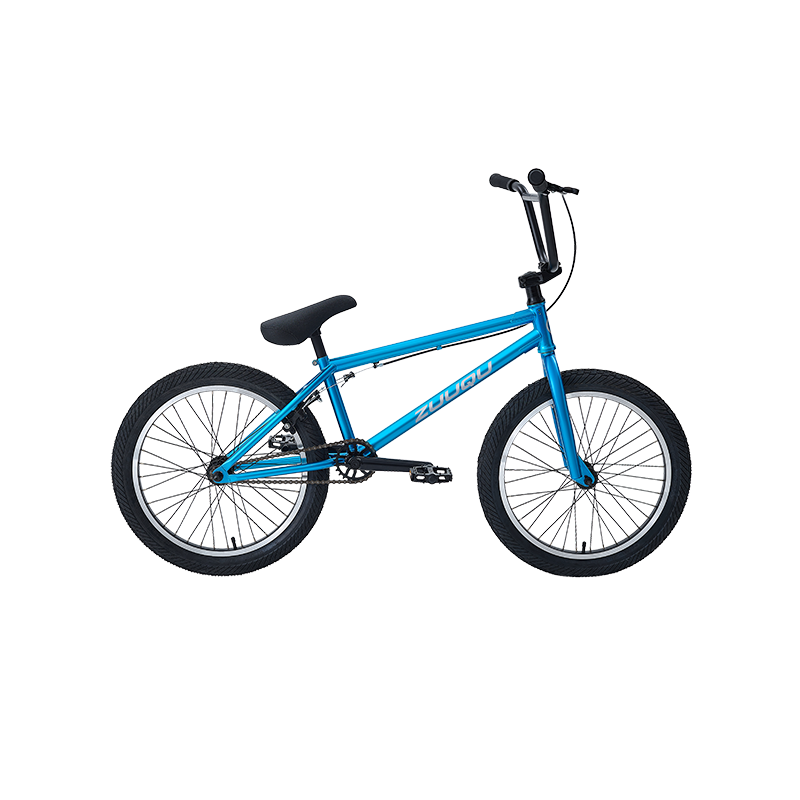
中文简体HYB-038 20"CR-MO BMX BIKE
The HYB-038 20" CR-MO BMX Bike is designed for high-performance freestyle riding, offering exceptional durability, ...

Selecting the right kids bike for your child is more than choosing a colorful frame or a popular brand. Proper selection ensures safety, comfort, and confidence while riding. Age, skill level, physical size, and intended use all play a crucial role in finding a bike that will help a child enjoy cycling while developing essential motor skills and coordination.
Content
One of the first considerations when choosing a kids bike is the child’s age and size. Kids grow rapidly, and bikes must match their height, leg length, and reach to ensure proper riding posture and control. Manufacturers often provide sizing charts that recommend wheel size and frame height for different age ranges, but individual fit is equally important.
Children at different skill levels require specific bike features. Beginners need bikes that prioritize balance, stability, and safety, while experienced riders can handle more complex features such as gears, hand brakes, or suspension systems. The right bike encourages learning without overwhelming the child.
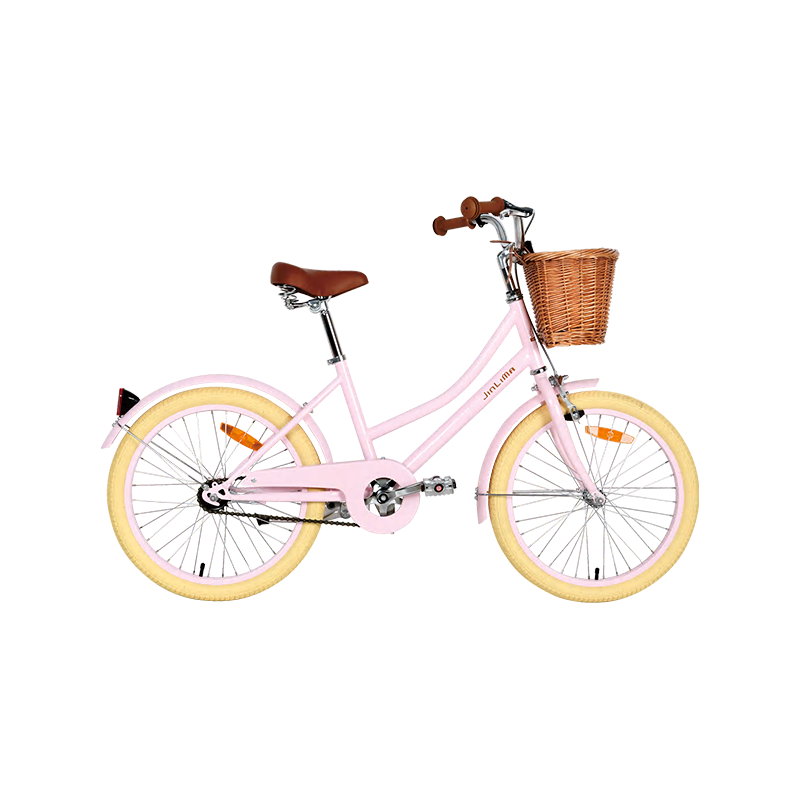
Safety is paramount when choosing a kids bike. Parents should assess the quality of materials, construction, and additional safety features such as reflectors, brakes, and grips. A durable bike withstands bumps, falls, and frequent use, ensuring longevity and sustained protection for the child.
Kids bikes are available in various styles and materials, each offering different benefits. Lightweight materials such as aluminium make bikes easier for children to handle, while steel frames provide durability for rough use. The style—whether BMX, mountain, or city bike—should match the child’s riding environment and personal interests.
Investing in an adjustable kids bike ensures it can grow with the child, extending its useful life. Adjustable seat heights, handlebars, and brake levers allow the bike to adapt as the child grows, maintaining comfort and safety over multiple seasons.
Choosing the right kids bike involves careful consideration of age, size, skill level, safety, style, and adjustability. By matching the bike to the child’s physical capabilities and riding needs, parents can ensure a safe, comfortable, and enjoyable cycling experience. Proper selection supports learning, confidence-building, and long-term engagement with outdoor activity.

© 2024 Zhejiang Hangyi Bicycle Manufacture CO., LTD. All rights
 OEM/ODM Bikes Manufacturers
Adult Bicycles Suppliers
OEM/ODM Bikes Manufacturers
Adult Bicycles Suppliers
 Linhang industry park, Zhuji,
  +86-18858280688