

 0
0

 中文简体
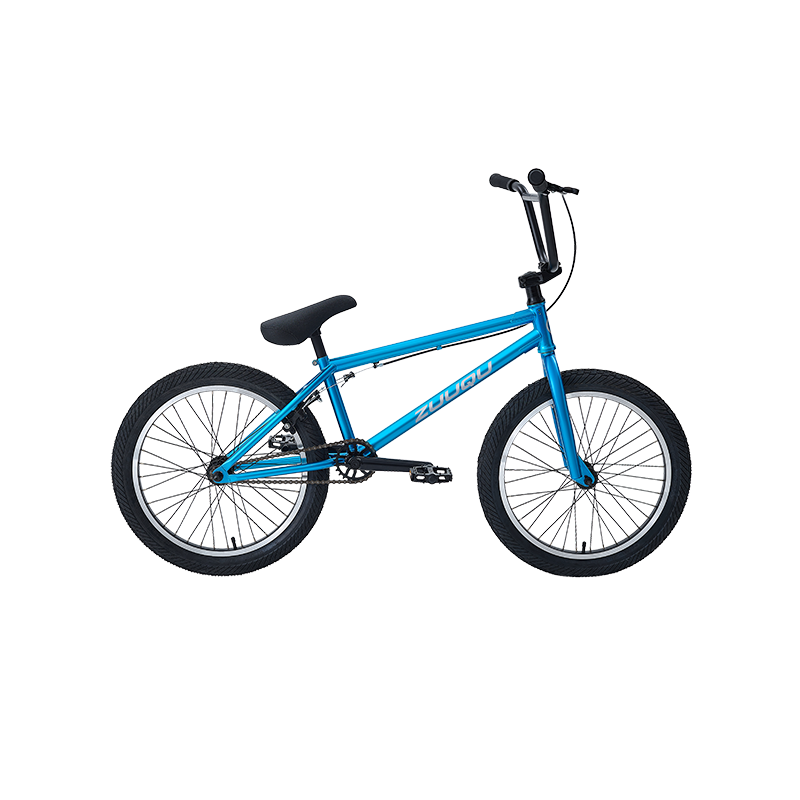
中文简体HYB-038 20"CR-MO BMX BIKE
The HYB-038 20" CR-MO BMX Bike is designed for high-performance freestyle riding, offering exceptional durability, ...

Content
Electric bikes have become increasingly popular as a convenient, eco-friendly, and cost-effective mode of transportation. However, buyers often face the challenge of balancing cost and performance. Understanding the factors that influence price and quality is essential to make an informed purchase that meets your commuting, fitness, or recreational needs.
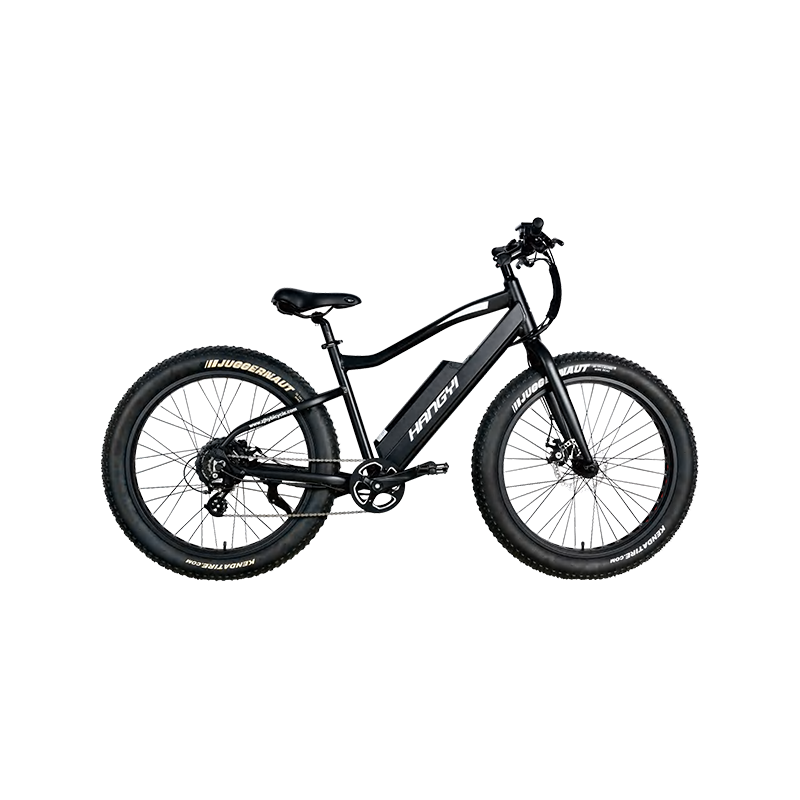
Several components and features contribute to the overall cost of an electric bike. Being aware of these factors can help buyers prioritize their requirements and get the best value for their budget.
The battery is the most expensive component in an electric bike. Higher-capacity lithium-ion batteries provide longer ranges, faster charging, and longer lifespan but significantly increase the bike's price. Consider your average travel distance and charging availability when evaluating battery options.
Motor power, measured in watts, affects acceleration, hill-climbing ability, and overall speed. A more powerful motor improves performance but increases cost and may reduce battery efficiency if not properly matched with the battery capacity.
Electric bike frames can be made from aluminum, steel, or carbon fiber. Aluminum is lightweight and moderately priced, steel is durable and affordable but heavier, and carbon fiber offers high performance at a premium price. The frame material impacts durability, ride comfort, and long-term maintenance costs.
Features such as integrated displays, pedal-assist sensors, suspension systems, disc brakes, and smart connectivity increase both performance and price. Buyers should consider which features are essential for their riding style and which are optional upgrades.
Balancing cost and performance requires evaluating key specifications and understanding how they affect real-world usage. The following table provides a comparison of typical electric bike configurations.
| Specification | Entry-Level | Mid-Range | Premium |
| Battery | 250-350 Wh, 25-40 km range | 400-500 Wh, 50-70 km range | 600-1000 Wh, 80-150 km range |
| Motor Power | 250 W, basic assistance | 500 W, moderate hills | 750-1000 W, high performance & steep inclines |
| Frame | Steel, durable but heavy | Aluminum, lightweight & strong | Carbon fiber, ultra-light & high performance |
| Price Range | $600-$1,200 | $1,200-$2,500 | $2,500-$5,000+ |
Choosing the right electric bike requires carefully balancing cost and performance. While entry-level models are budget-friendly, they may lack range and power for longer or more challenging rides. Mid-range options offer a good compromise between price and features, whereas premium bikes deliver maximum performance, durability, and comfort at a higher investment. Assessing your needs, usage patterns, and budget will ensure a purchase that provides long-term satisfaction and value.

© 2024 Zhejiang Hangyi Bicycle Manufacture CO., LTD. All rights
 OEM/ODM Bikes Manufacturers
Adult Bicycles Suppliers
OEM/ODM Bikes Manufacturers
Adult Bicycles Suppliers
 Linhang industry park, Zhuji,
  +86-18858280688