

 0
0

 中文简体
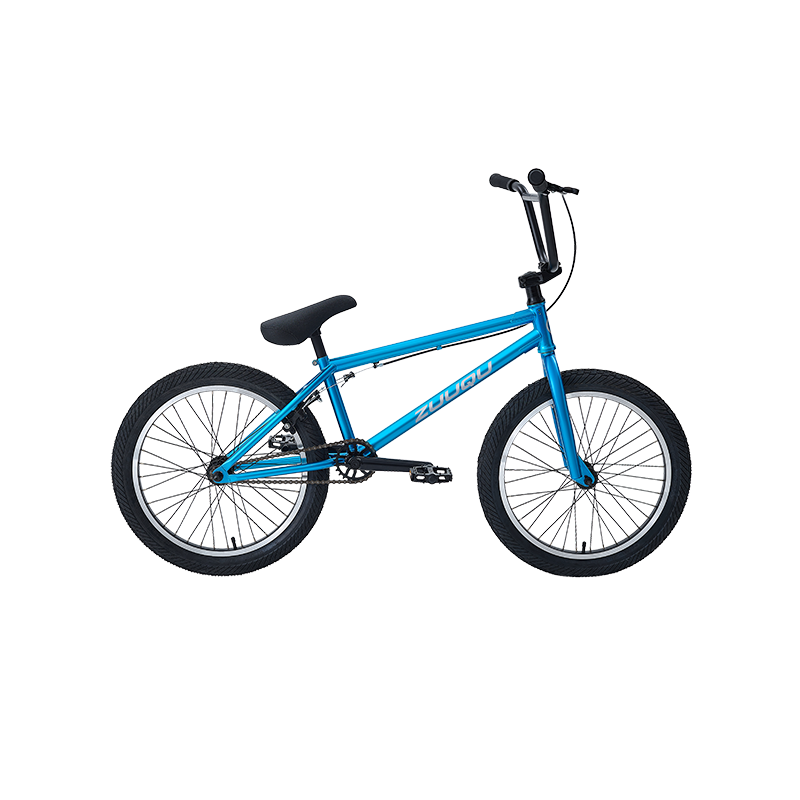
中文简体HYB-038 20"CR-MO BMX BIKE
The HYB-038 20" CR-MO BMX Bike is designed for high-performance freestyle riding, offering exceptional durability, ...

Content
An electric bike, or e-bike, is a mechatronics personal vehicle built on the frame of a conventional bicycle and enhanced with a battery, motor, controller, handlebar controls, and a display instrument system. Unlike a motorcycle, an e-bike uses the battery as an auxiliary energy source — meaning the motor assists your pedaling rather than replacing it entirely. This design keeps the riding experience familiar while dramatically reducing physical effort.
The core components work together as a closed system. The battery stores electrical energy, the controller interprets input from the rider and sensors, and the motor delivers power to the wheel or crank. A handlebar-mounted display shows speed, battery level, and assist mode in real time. Most modern electric bikes for adults offer multiple pedal-assist levels, letting riders fine-tune how much help they receive from the motor.
This integration of mechanics and electronics is what makes e-bikes far more capable than traditional bikes on hills, long distances, and demanding commutes — without requiring a license or fuel.
The e-bike market has diversified significantly, and today's electric bikes for adults come in several distinct categories. Understanding these types helps buyers match a bike to their actual use case rather than simply choosing the most popular model.
Designed for city streets and shared infrastructure, public electric bikes prioritize durability, upright posture, and ease of use. They typically feature fenders, integrated lighting, rear racks, and puncture-resistant tires. These models are the standard choice for daily commuting, errands, and short trips around town. Battery range usually falls between 40–80 km per charge, which comfortably covers most urban commutes.
Folding e-bikes solve the last-mile problem. They collapse into a compact form that fits in a car trunk, under a desk, or in a train luggage rack. Despite their smaller frame and wheels (typically 16–20 inches), folding electric bikes for adults deliver strong motor assistance and practical battery range. They are especially popular among commuters who combine cycling with public transit.
Electric mountain bikes are built for off-road terrain. They feature full or hardtail suspension, wide knobby tires, and more powerful motors — often 500W or above — to handle steep inclines and rough trails. The motor assist transforms technical climbs that would exhaust most riders into manageable, enjoyable ascents. These bikes also work well for rural commutes on unpaved roads.
Not all e-bikes perform the same way. The following table summarizes the most important technical specifications and what each means for real-world riding:
| Specification | Typical Range | What It Affects |
|---|---|---|
| Motor Power | 250W – 750W | Hill climbing ability, top speed |
| Battery Capacity | 36V/10Ah – 48V/20Ah | Range per charge |
| Assist Levels | 3 – 5 levels | Flexibility and battery efficiency |
| Charging Time | 3 – 6 hours | Daily usability and convenience |
| Bike Weight | 18 kg – 30 kg | Portability and handling |
| Max Speed (assisted) | 25 – 45 km/h | Commute time, legal classification |
For most adult commuters, a 250W motor paired with a 48V/12.5Ah battery offers the best balance of power, range, and compliance with road regulations in many countries. Riders who face frequent steep hills or carry cargo should prioritize higher motor output and larger battery capacity.
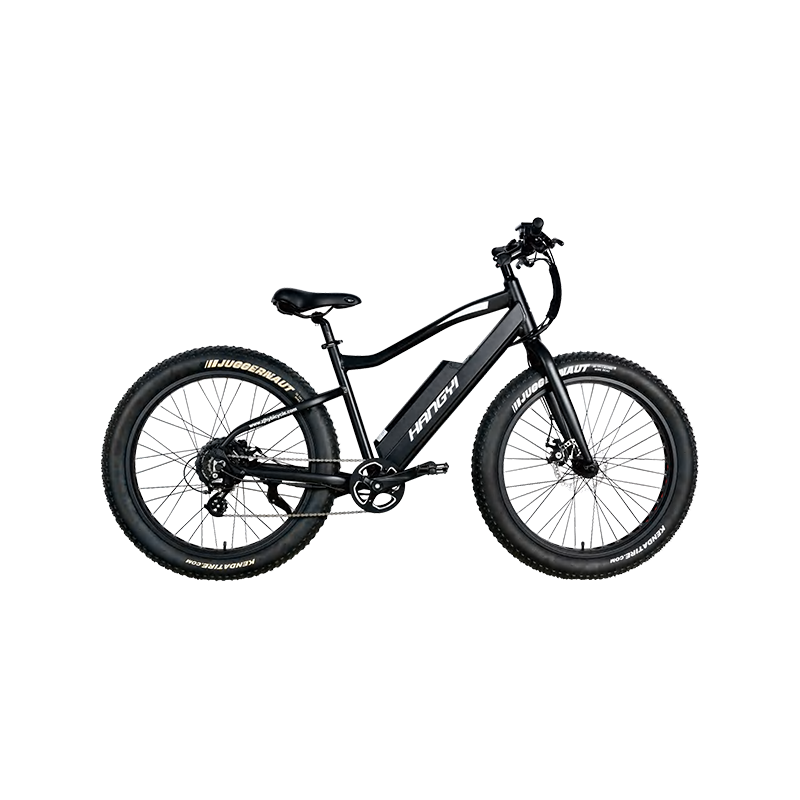
Electric bikes are faster and more convenient than conventional bicycles in several measurable ways. Motor assist allows riders to maintain speeds of 25–45 km/h with minimal effort, reducing a 40-minute bike commute to under 20 minutes in many cases. Unlike cars, e-bikes are unaffected by traffic congestion in urban areas, making them consistently reliable for timed commutes.
The convenience factor extends beyond speed. E-bikes eliminate the physical barrier that stops many adults from cycling regularly — namely, arriving at work sweaty and fatigued. With pedal assist, riders can cover 10–15 km each way without overexertion, making cycling a genuine daily transportation option rather than an occasional activity.
Additional practical advantages include:
Choosing an e-bike requires matching the bike's design and components to how, where, and how often you plan to ride. The following questions help narrow the decision:
If you commute in a city and need to store the bike indoors or on transit, a folding electric bike is the most practical choice. For general urban commuting with carrying capacity, a standard public e-bike with a rear rack suits daily travel best. For weekend trail riding or rural roads, an electric mountain bike provides the suspension and traction needed.
Match battery capacity to your actual route. A rider covering 20 km daily needs far less battery than someone commuting 60 km round-trip. Always add a 20–30% buffer to account for headwinds, cargo weight, and cold weather, which can reduce battery range by up to 25%.
Flat city roads require less motor power than hilly suburban routes. If your commute includes sustained climbs above 5–8% gradient, prioritize a torque sensor-based drive system and a motor rated at 350W or higher for consistent, comfortable assist.
Zhejiang Hangyi Bicycle manufactures e-bikes across all three of these categories — public urban models, portable folding bikes, and electric mountain bikes — enabling buyers to find a purpose-built solution rather than a generic compromise.
The battery is the most expensive component of any e-bike and the one most affected by how the bike is used and stored. Proper care can extend battery lifespan from 3 years to 5 years or more, protecting the investment significantly.
Key battery maintenance practices include:
Beyond the battery, e-bikes share many maintenance needs with conventional bicycles: brake pad inspection every 1,000–2,000 km, chain lubrication every 200–300 km, and tire pressure checks before each ride. The motor and controller are sealed units that require no routine servicing under normal use.
With consistent care, a quality electric bike for adults will deliver reliable, low-cost transportation for well over five years — making it one of the most cost-efficient commuting investments available today.

© 2024 Zhejiang Hangyi Bicycle Manufacture CO., LTD. All rights
 OEM/ODM Bikes Manufacturers
Adult Bicycles Suppliers
OEM/ODM Bikes Manufacturers
Adult Bicycles Suppliers
 Linhang industry park, Zhuji,
  +86-18858280688