

 0
0

 中文简体
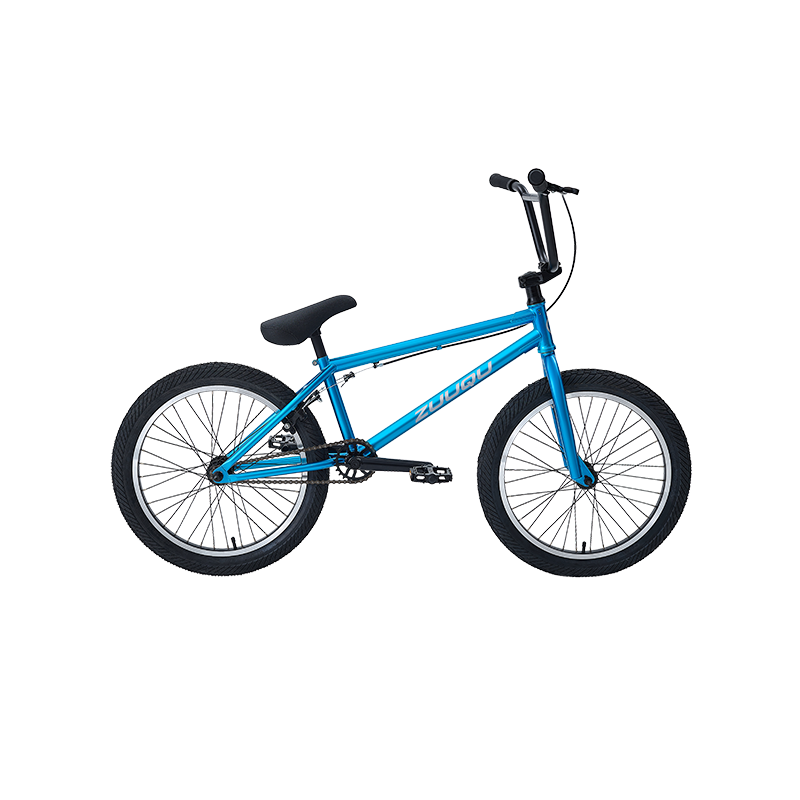
中文简体HYB-038 20"CR-MO BMX BIKE
The HYB-038 20" CR-MO BMX Bike is designed for high-performance freestyle riding, offering exceptional durability, ...

Content
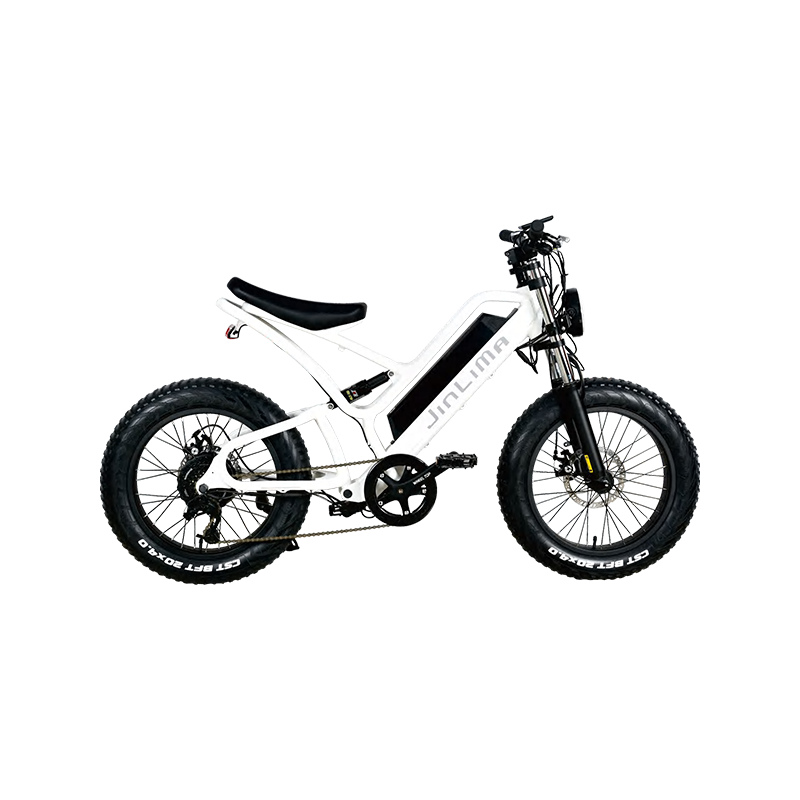
An electric bike is a mechatronics personal vehicle built on the foundation of a conventional bicycle but enhanced with a fully integrated electrical drive system. The core components that distinguish an e-bike from a standard pedal bicycle are the motor, controller, battery, display instrument panel, and associated wiring harness. Together, these elements work as a coordinated system: the controller reads input from the pedal assist sensor or throttle, draws power from the battery at the appropriate level, and delivers it to the motor to supplement the rider's physical effort. The display instrument system gives the rider real-time visibility into battery state of charge, current assist level, speed, and estimated remaining range — information that is critical for planning commutes and managing energy use effectively.
The motor itself is typically positioned either in the rear hub, front hub, or mid-drive location at the bottom bracket. Hub motors deliver direct wheel torque and are mechanically simple, making them durable and cost-effective for urban and commuting use. Mid-drive motors couple to the drivetrain through the bike's existing gears, which allows them to operate at optimal RPM across varied terrain — a meaningful advantage for mountain e-bike applications where gradient and surface conditions change constantly. The choice of motor type and placement has a direct effect on weight distribution, handling behavior, and the riding feel that the bike delivers across different use scenarios.
Understanding this system architecture is not just for engineers — it directly helps buyers select an electric bike matched to their actual needs, whether that means a robust city commuter, a compact folding model for mixed-mode transit, or a capable mountain e-bike for off-road recreational use.
Battery capacity is the single most consequential specification for any rider who depends on an electric bike for regular commuting or daily travel. Measured in watt-hours (Wh), the battery's energy content determines how far the bike can travel on a single charge under real-world conditions. A long range battery — generally understood as one with a capacity of 500 Wh or above — enables riders to complete round-trip commutes of 40 to 80 kilometers without recharging, a range that covers the vast majority of urban and suburban commuting scenarios without range anxiety.
However, quoted range figures in manufacturer specifications are typically measured under controlled test conditions that assume moderate ambient temperature, flat terrain, consistent pedaling effort, and a specific assist level. In real-world commuting use, actual range is influenced by a combination of factors that can compress effective capacity significantly:
For buyers prioritizing long range battery performance, the most reliable approach is to identify models with removable battery packs, which allow a second battery to be charged at the office or destination while the bike is parked, effectively doubling the theoretical range for longer commutes. Batteries using high-quality lithium-ion cells from established manufacturers retain capacity more reliably over the battery's service life — a 500 Wh pack that degrades to 70% capacity after 500 charge cycles delivers significantly less real-world range than one that retains 85% under the same usage pattern.
Not every electric bike is equally suited to commuting use. The physical demands of a daily commute — consistent performance, weather exposure, cargo carrying capacity, and the need for reliable starting every morning — favor specific design characteristics that purely recreational or sport-oriented e-bikes may not prioritize. Understanding the trade-offs between the main electric bike categories helps commuters make a well-informed purchase that they won't regret after the first winter of daily use.
Upright city e-bikes are engineered specifically for the electric bike for commuting use case. Their geometry places the rider in a comfortable, upright posture that provides good visibility in traffic and reduces neck and back strain over 30–60 minute daily rides. Integrated lighting (front and rear), mudguards, chain guards, and rear cargo racks are either standard equipment or readily available accessories on quality commuter models. Wider tires — 40–50 mm — absorb road surface imperfections and provide confidence in wet conditions, while internally geared hubs eliminate exposed derailleurs that are vulnerable to damage and dirt accumulation in urban environments. These bikes are the most practical all-weather commuting tool for the majority of riders with routes under 25 km each way.
For commuters who combine cycling with public transit — boarding trains, buses, or ferries for part of the journey — a portable folding electric bike resolves the core problem of last-mile connectivity without the cost or hassle of a separate vehicle. Quality folding e-bikes collapse to a compact package in 10–20 seconds and weigh between 14 and 20 kg, light enough for most adults to carry up stairs or lift into overhead storage. Despite their compact wheel size (typically 20 inches), modern folding e-bikes carry long range battery packs and deliver ride quality that rivals full-size city bikes for shorter urban segments. The folding format also addresses urban apartment storage constraints: the bike folds to the footprint of a large suitcase and can be stored in a hallway, under a desk, or in a closet rather than requiring dedicated garage or outdoor parking space.
Commuters whose routes include unpaved paths, gravel trails, or significant elevation changes benefit from an electric mountain bike's suspension, traction, and motor power characteristics. Front suspension forks absorb rough surface impacts that would be fatiguing on a rigid city bike; wide, knobbed tires grip loose or wet surfaces that would cause a city bike to slip; and mid-drive motors paired with wide-range gear cassettes maintain efficient climbing performance on steep grades. The trade-off is increased weight (typically 22–27 kg) and higher rolling resistance on smooth pavement compared to slick-tired city models, making mountain e-bikes a better fit for mixed-surface commutes than for purely urban, paved routes.
The table below summarizes the key practical differences between the three main electric bike types for commuters evaluating their options:
| E-Bike Type | Typical Weight | Best Range Setup | Ideal Commute Type | Key Limitation |
|---|---|---|---|---|
| City / Public E-Bike | 18–24 kg | 500–625 Wh battery | Paved urban routes, all weather | Not portable for transit use |
| Folding Electric Bike | 14–20 kg | 400–500 Wh battery | Mixed transit + cycling commute | Smaller wheels, shorter range |
| Electric Mountain Bike | 22–27 kg | 500–750 Wh battery | Mixed surface, hilly terrain | Heavy, slower on paved roads |
Owning an electric bike for commuting is straightforward, but a few consistent habits make a significant difference to battery longevity, component reliability, and daily riding comfort over the years of ownership.
Battery care is the highest-impact maintenance habit for long-term e-bike ownership. Lithium-ion cells last longest when stored and operated between 20% and 80% of their capacity — consistently charging to 100% every night and discharging to near-zero accelerates capacity degradation over time. Most modern e-bike display systems allow the rider to monitor state of charge in real time; using this information to practice partial charging when the next day's commute doesn't require full capacity extends battery service life measurably. When storing the bike for more than a week, leaving the battery at approximately 50% charge in a cool, dry environment prevents the accelerated self-discharge that degrades cells during idle storage periods.
For commuters new to e-bikes, the transition from car or public transit to daily cycling on an electric bike takes approximately two to three weeks to fully integrate into a morning routine — accounting for charging schedules, weather-appropriate clothing choices, and route familiarity. After this settling-in period, most riders find that the electric bike consistently delivers door-to-door journey times competitive with or faster than car commutes in congested urban conditions, while eliminating parking costs, fuel expenses, and the stress of traffic. The combination of faster speeds, greater convenience, and meaningful cost savings over a full year of use makes the electric bike one of the most practically effective investments for daily urban commuters.

© 2024 Zhejiang Hangyi Bicycle Manufacture CO., LTD. All rights
 OEM/ODM Bikes Manufacturers
Adult Bicycles Suppliers
OEM/ODM Bikes Manufacturers
Adult Bicycles Suppliers
 Linhang industry park, Zhuji,
  +86-18858280688