

 0
0

 中文简体
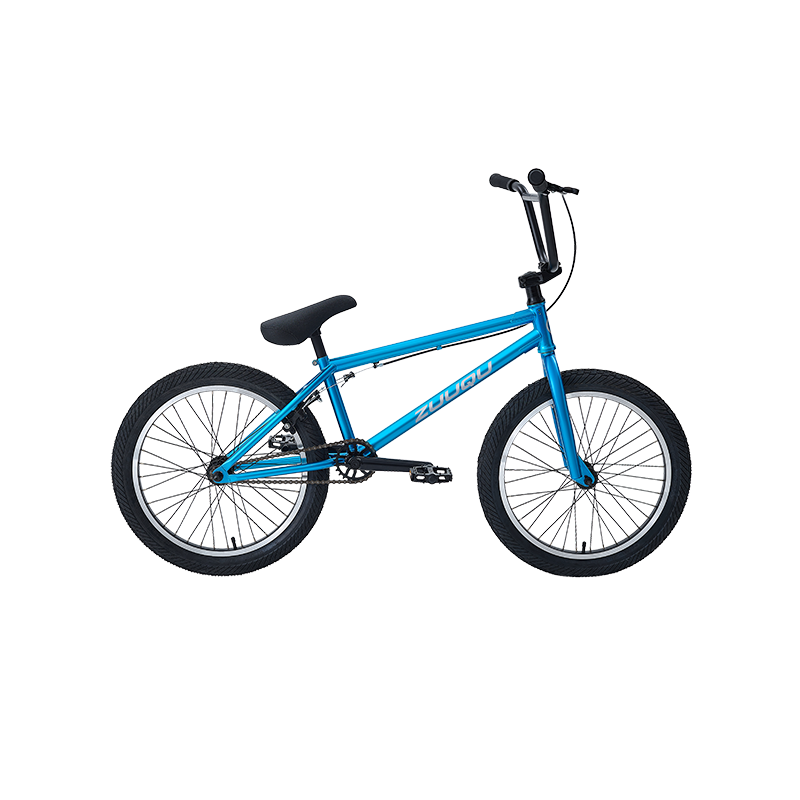
中文简体HYB-038 20"CR-MO BMX BIKE
The HYB-038 20" CR-MO BMX Bike is designed for high-performance freestyle riding, offering exceptional durability, ...

Content
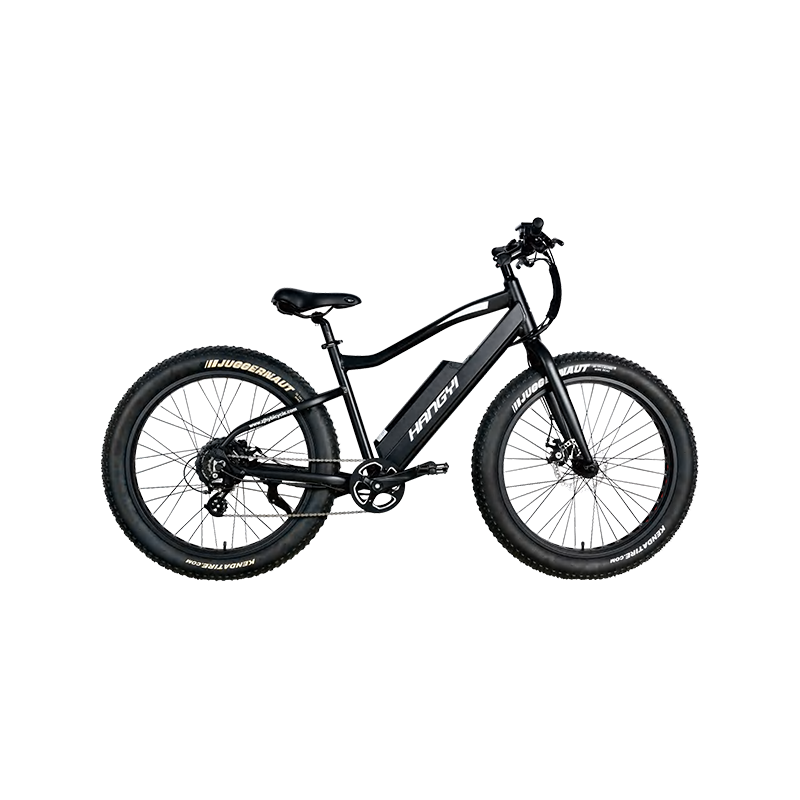
An electric bike — commonly referred to as an e-bike or electric bicycle — is a mechatronics personal vehicle that uses a battery as an auxiliary energy source based on an ordinary bicycle, equipped with a motor, a controller, a battery, a handlebar, other operating components, and a display instrument system. Unlike a motorcycle or moped, an e-bike is designed to augment the rider's pedaling effort rather than replace it entirely, creating a riding experience that is faster and less physically demanding than a conventional bicycle while remaining far more accessible, economical, and environmentally responsible than a motor vehicle.
The fundamental operating principle of electric bikes is elegantly simple. A torque sensor or cadence sensor detects when the rider is pedaling and signals the controller to activate the motor, delivering additional power proportional to the rider's effort or the selected assistance level. The controller — the electronic brain of the system — manages power delivery from the battery to the motor, interprets inputs from the sensors and display interface, and enforces the speed and power limits that define the e-bike's legal classification. This integrated electromechanical system transforms the riding experience, making electric bicycles suitable for a far wider range of users, distances, and terrain types than conventional cycling could serve.
Understanding the key technical components of e-bikes helps riders make informed purchasing decisions and manage their electric bicycle effectively throughout its service life. Each component contributes distinctly to the overall riding experience, and the quality and specification of these parts determines how the e-bike performs across different use cases and conditions.
The motor is the defining performance component of any electric bike, and the two dominant motor architectures — hub drive and mid-drive — produce fundamentally different riding characteristics. Hub drive motors are integrated into the front or rear wheel hub, driving the wheel directly. They are mechanically simple, generally less expensive, and require minimal maintenance since they operate independently of the drivetrain. Rear hub motors provide a direct, responsive power delivery that most riders find natural, though the fixed gear ratio means efficiency varies with terrain and speed.
Mid-drive motors, positioned at the bottom bracket where the pedals attach, drive the bike through the existing chain and gearing system. This placement gives mid-drive e-bikes a significant efficiency advantage — the rider can select an appropriate gear for climbing or accelerating, allowing the motor to operate within its optimal power band regardless of terrain. Mid-drive systems also produce a more balanced weight distribution and a more natural, bicycle-like riding sensation that experienced cyclists typically prefer. Premium electric bikes for adults in the performance and commuter categories are increasingly mid-drive equipped for these reasons.
The battery is the energy reservoir of the electric bicycle and the component whose specification most directly determines the e-bike's practical utility for a given use case. Battery capacity is measured in watt-hours (Wh) — a product of voltage and amp-hour rating — with most current electric bikes for adults offering batteries in the 400Wh to 625Wh range, and some extended-range models reaching 750Wh or above. A 500Wh battery in a mid-weight commuter e-bike typically delivers 50 to 100 kilometers of range depending on assistance level, rider weight, terrain, and wind conditions — a range sufficient for most daily commuting and leisure riding needs.
Lithium-ion battery chemistry is standard across all quality e-bikes, offering the best available combination of energy density, cycle life, and weight. A well-maintained lithium-ion e-bike battery retains approximately 80% of its original capacity after 500 to 800 full charge cycles — equating to three to five years of regular daily use before noticeable range reduction occurs. Battery integration style — fully integrated within the downtube, semi-integrated, or externally mounted — affects the e-bike's aesthetics, weight distribution, and the ease with which the battery can be removed for indoor charging.
The controller manages all electrical functions of the e-bike, translating sensor inputs and rider commands into precise motor power outputs while protecting the battery and motor from damaging operating conditions. The display instrument system — mounted on the handlebar — provides the rider with real-time information including current speed, selected assistance level, estimated remaining range, battery charge state, and trip data. Quality display systems on modern electric bikes offer Bluetooth connectivity for smartphone integration, navigation, and over-the-air firmware updates that can improve performance and add features after purchase.
Electric bikes are subject to regulatory classification systems that determine where they can be legally ridden, whether a license or registration is required, and what technical limits apply to motor power and assisted speed. These frameworks vary significantly between jurisdictions, and understanding the classification that applies to a specific e-bike is essential before purchasing, particularly for riders planning to use public roads, cycle lanes, or shared paths.
| Class | Assistance Type | Max Assisted Speed | Typical Use |
| Class 1 | Pedal assist only | 20 mph (32 km/h) | Bike paths, commuting, trails |
| Class 2 | Pedal assist + throttle | 20 mph (32 km/h) | Commuting, casual riding |
| Class 3 | Pedal assist only | 28 mph (45 km/h) | High-speed commuting, road use |
| EU EPAC | Pedal assist only, max 250W | 25 km/h | All cycle infrastructure, no license |
In the European Union, electrically assisted pedal cycles (EAPCs) are limited to 250W continuous rated motor power and 25 km/h assisted speed — above which the motor cuts out and the rider must power the bicycle unassisted. E-bikes meeting these limits require no license, registration, or insurance and can be used on all cycle infrastructure. In the United States, the three-class system shown above applies in most states, with Class 1 and Class 2 e-bikes generally permitted on the same infrastructure as conventional bicycles and Class 3 electric bikes subject to additional restrictions in some jurisdictions.
Electric bikes for adults span a wide range of specialized categories, each optimized for a specific riding context. Choosing the right e-bike type for the intended use case is as important as selecting the right motor and battery specification — a bike designed for off-road trail riding will be heavy, slow, and inefficient in a daily urban commuting role, while a lightweight commuter e-bike will be inadequate on technical mountain terrain.
Electric bikes are faster and more convenient than conventional bicycles for work and daily travel, and the practical advantages extend well beyond simply arriving at the destination sooner. For regular commuters, the e-bike resolves the key objections that prevent cycling adoption among would-be riders who find conventional cycling too physically demanding, too slow, or too dependent on favorable conditions to replace motorized transport reliably.
Perspiration on arrival is the single most frequently cited barrier to bicycle commuting among non-cyclists. Electric bikes address this directly — by selecting a lower assistance level and pedaling moderately, most riders can complete urban commutes of 10 to 20 kilometers without the exertion that generates significant perspiration, arriving at work in the same condition they would if traveling by public transport. The motor handles the hard work on hills and headwinds that would otherwise require effort levels incompatible with professional dress and workplace hygiene expectations.
Journey time predictability is another significant advantage of electric bikes over both conventional cycling and urban driving. An e-bike commuter traveling at a consistent 20–25 km/h through city traffic experiences none of the variability that gridlock introduces into car journey times, and is unaffected by public transport delays. For urban routes of 5 to 15 kilometers, e-bike commute times frequently match or beat equivalent driving times when parking search time is included — with the additional benefit of zero parking cost at the destination.
Selecting from the wide range of electric bikes available requires a structured evaluation of use case requirements against the specifications and quality of available options. The following criteria provide a practical framework for narrowing the field to e-bikes that will genuinely serve the buyer's needs over a multi-year ownership period.

© 2024 Zhejiang Hangyi Bicycle Manufacture CO., LTD. All rights
 OEM/ODM Bikes Manufacturers
Adult Bicycles Suppliers
OEM/ODM Bikes Manufacturers
Adult Bicycles Suppliers
 Linhang industry park, Zhuji,
  +86-18858280688