

 0
0

 中文简体
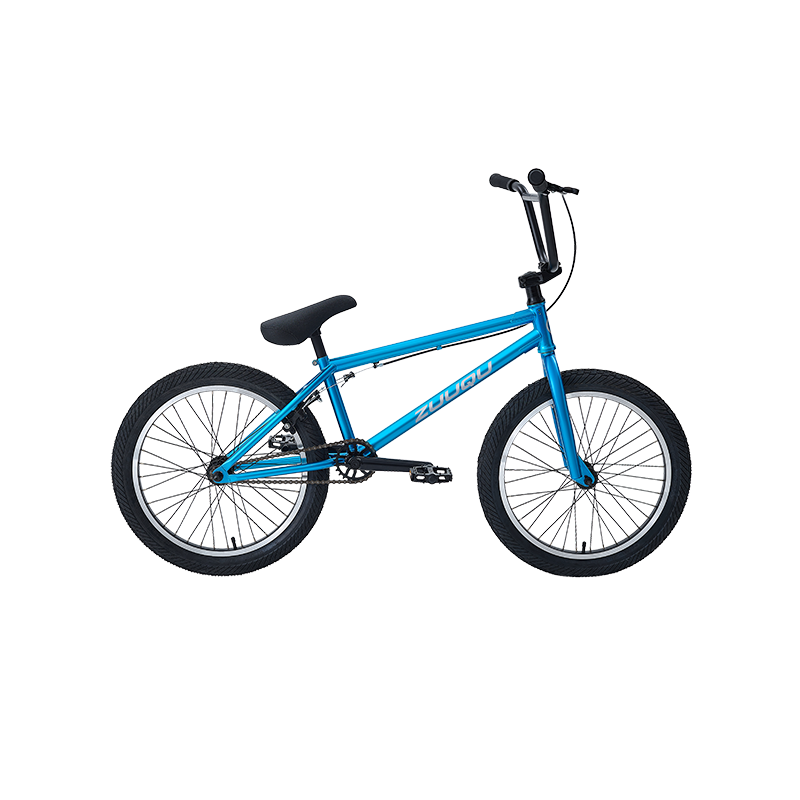
中文简体HYB-038 20"CR-MO BMX BIKE
The HYB-038 20" CR-MO BMX Bike is designed for high-performance freestyle riding, offering exceptional durability, ...

Electric bikes (e-bikes) are bicycles fitted with an integrated electric motor and battery that provide pedal assistance or, in some configurations, full throttle propulsion. They are the fastest-growing segment of personal transportation globally — with over 40 million e-bikes sold worldwide in 2023 — and for good reason: they extend practical cycling range to 40–100+ km per charge, eliminate the barrier of hills and headwinds, and replace car trips for millions of daily commuters at a fraction of the operating cost. Whether you're commuting, trail riding, or replacing a second car, understanding how e-bikes work, what distinguishes one from another, and what to expect from ownership will help you make a purchase you won't regret.
Content
An electric bike combines a conventional bicycle drivetrain with three integrated electrical components: a motor, a battery, and a controller. Understanding how these three elements interact explains most of the performance differences between e-bike models and price points.
The motor converts electrical energy from the battery into mechanical force at the wheel or crank. Two motor positions dominate the market, each with distinct performance characteristics:
Motor power is rated in watts (W). In most regulated markets, legal pedal-assist e-bikes are limited to 250W continuous rated power in Europe and 750W in the USA for Class 1–3 e-bikes. Peak power output during demanding conditions (steep climbs, acceleration) may reach 500–700W even on nominally 250W systems, as peak and continuous ratings differ.
The battery is the largest determinant of e-bike range and is the most expensive single component — typically representing 30–40% of the total e-bike cost. Battery capacity is measured in watt-hours (Wh), calculated as voltage × amp-hours (Ah). Common battery sizes range from 250Wh (entry-level) to 750Wh (extended range), with dual-battery configurations on some cargo e-bikes reaching 1,000Wh or more.
All current e-bike batteries use lithium-ion chemistry — specifically lithium-nickel-manganese-cobalt oxide (NMC) or lithium iron phosphate (LFP) cells. NMC provides higher energy density (more capacity per kilogram) and is the most common. LFP offers superior cycle life (typically 1,500–2,000 full charge cycles versus 800–1,200 for NMC) and better thermal stability, at the cost of slightly higher weight. Battery packs from reputable manufacturers (Samsung SDI, LG Energy Solution, Panasonic, Sony) offer meaningfully better cycle life and safety than generic cells used in low-cost e-bikes.
The controller is the electronic brain of the e-bike, regulating how much power the motor receives based on inputs from the rider and the sensor system. Two sensor types determine how the system detects and responds to pedaling:
Premium mid-drive systems (Bosch Performance Line CX, Shimano EP8, Brose Drive S) use torque sensors measuring at 1,000 times per second, producing assistance so responsive it feels like a natural extension of the rider's own effort.
E-bike regulations vary significantly between countries and determine where you can legally ride, what equipment is required, and how fast the motor can assist. Understanding the classification system in your jurisdiction is essential before purchasing.
Most US states have adopted a three-class framework:
| Class | Assist Type | Max Assisted Speed | Max Motor Power | Typical Use |
|---|---|---|---|---|
| Class 1 | Pedal-assist only | 20 mph (32 km/h) | 750W | Trails, bike paths, roads — widest access |
| Class 2 | Pedal-assist + throttle | 20 mph (32 km/h) | 750W | Commuting, leisure; throttle for convenience |
| Class 3 | Pedal-assist only | 28 mph (45 km/h) | 750W | Commuting on roads; restricted from some paths |
In the EU, pedal-assisted e-bikes (EPAC — Electrically Power Assisted Cycles) are regulated under EN 15194. To be treated as a bicycle (no license, insurance, or registration required), an e-bike must have a motor of maximum 250W continuous rated power that provides assistance only while pedaling and cuts out at 25 km/h (15.5 mph). Bikes with higher power or speed-assisted operation above this threshold are classified as mopeds or motorcycles, requiring registration, insurance, and a license. Speed pedelecs — which assist to 45 km/h — exist as a legal category in some EU countries but require at minimum a moped license and helmet.
E-bikes are not a single product category. The frame geometry, component specification, tire width, motor choice, and battery size of an e-bike are tuned to specific riding contexts — and choosing the wrong type is one of the most common buyer mistakes.
Designed for daily urban use, commuter e-bikes prioritize upright riding position, integrated lighting, fender and rack mounts, and reliability over multiple daily charge cycles. They typically use rear hub or mid-drive motors, 700c (road) or 26–27.5" wheels, and batteries in the 400–500Wh range providing 60–100 km of assisted range in normal urban conditions. Integrated batteries (concealed within the downtube) have become standard on premium commuter bikes for aesthetics and theft deterrence.
Electric mountain bikes use high-torque mid-drive motors — typically Bosch Performance Line CX (85 Nm), Shimano EP8 (85 Nm), or Brose Drive S Mag (90 Nm) — combined with full suspension frames and aggressive trail geometry to enable climbing and technical trail riding that would be inaccessible to all but elite riders on conventional bikes. Battery capacities of 500–750Wh are standard, providing 2–5 hours of trail riding depending on terrain and assist level. The eMTB category has transformed trail riding access for older riders, riders returning from injury, and those who want to explore more challenging terrain without fitness being the limiting factor.
Cargo e-bikes carry loads of 100–250 kg total (rider + cargo) and are the vehicle category most directly displacing car trips in urban areas. They come in two primary configurations: longtail (extended rear rack for panniers and child seats) and front-load cargo (large box between handlebars and front wheel for children, shopping, or deliveries). Most cargo e-bikes use powerful mid-drive or heavy-duty hub motors rated at 250W (EU) to handle the additional weight, with large 500–1,000Wh battery capacities. In cities like Amsterdam, Copenhagen, and Berlin, cargo e-bikes now carry a significant share of family transportation trips previously made by car.
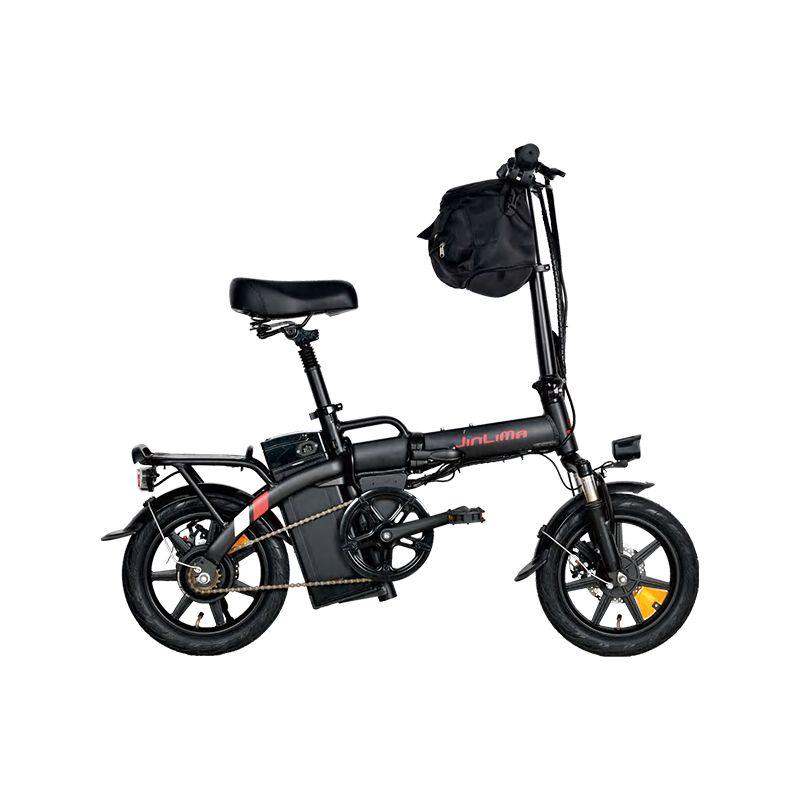
Folding e-bikes combine a compact folding frame with electric assist, enabling multimodal commutes — cycle to the train station, fold, travel by train, unfold, and cycle to the office. They use smaller wheels (16–20 inch) and are heavier than non-electric folders due to motor and battery, typically weighing 14–22 kg. The Brompton Electric and Tern Vektron are among the leading examples, with the Brompton using a proprietary front hub motor system designed to preserve the iconic Brompton fold geometry.
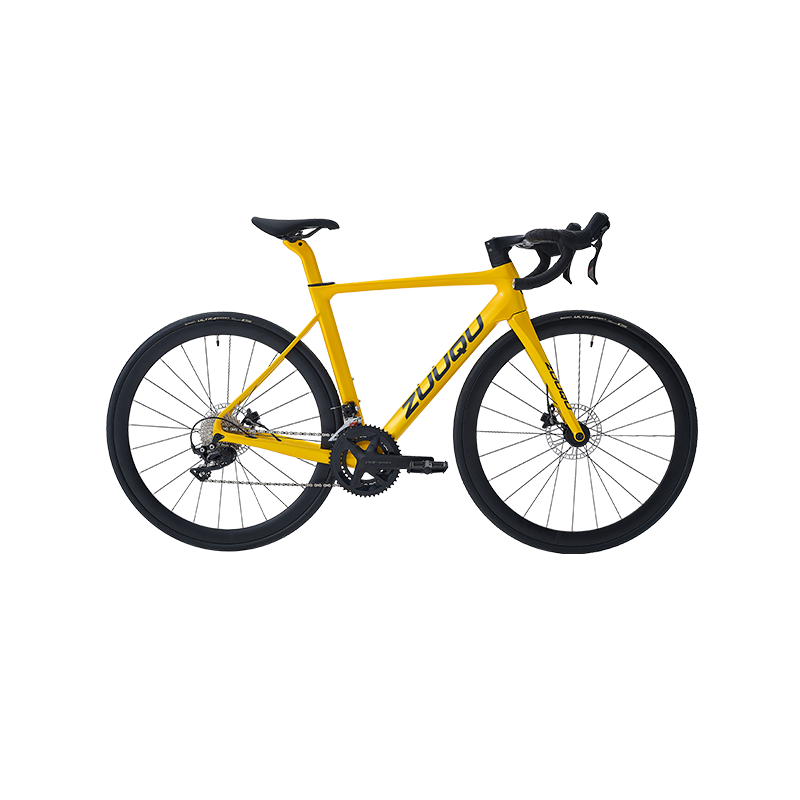
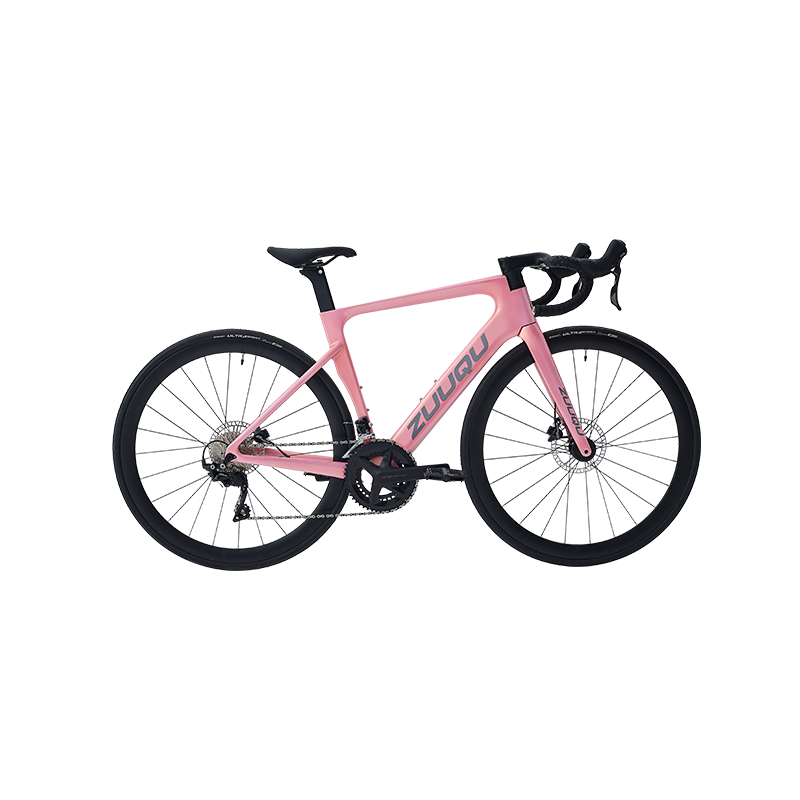
Electric road bikes use lightweight frames, narrow tires, and compact, lightweight motor systems (Fazua Ride 60, Mahle X35+, or Shimano EP6) to add 150–250W of assistance while keeping total bike weight at 9–13 kg — close to a standard road bike. These are designed for cyclists who want assistance on long sportive rides, for commuting at pace, or for training with a fitness-limited partner. The motor assist cuts out at 25 km/h (EU), meaning above that speed the rider is entirely on their own — they function as genuine road bikes at higher speeds, not as effortless transport.
Range is the specification buyers focus on most — and also the one most subject to optimistic manufacturer claims. Stated ranges (often 80–150 km on a single charge) are typically achieved under ideal conditions: flat terrain, light rider, low assist level, minimal wind. Real-world range is almost always lower, and understanding the variables that affect range helps set realistic expectations.
| Factor | High Range Impact | Low Range Impact | Approximate Effect on Range |
|---|---|---|---|
| Assist Level | Eco / Tour mode | Turbo / Boost mode | 2–4× difference between min and max assist |
| Terrain | Flat roads | Hilly / mountainous | 30–50% range reduction on steep terrain |
| Rider + Load Weight | Light rider, no cargo | Heavy rider + full cargo | 15–25% range reduction for +30 kg |
| Temperature | 15–25°C | Below 5°C or above 35°C | Up to 20–30% range loss in cold weather |
| Wind | Tailwind or calm | Strong headwind | Up to 20% range reduction in strong headwind |
| Tire Pressure | Correctly inflated | Under-inflated | 5–15% range penalty for significantly low pressure |
| Battery Age | New battery | Battery after 500+ cycles | ~20% capacity loss after 500 full cycles (typical) |
A practical real-world range estimate for a 500Wh battery on hilly urban terrain in mixed-assist riding is typically 50–70 km — roughly half the manufacturer's maximum claimed range. For flat urban commuting in Eco mode, the same battery might genuinely achieve 90–110 km. Plan your range requirements around your actual commute profile rather than manufacturer headline figures.
The motor system is the defining component of an e-bike's riding character. Premium motor systems deliver measurably better performance, reliability, and after-sales support than generic or proprietary budget systems — and significantly influence resale value.
| Motor System | Rated Power | Peak Torque | Motor Weight | Primary Application |
|---|---|---|---|---|
| Bosch Performance Line CX | 250W (EU) | 85 Nm | 2.9 kg | eMTB, performance commuter |
| Bosch Active Line Plus | 250W (EU) | 50 Nm | 2.8 kg | City / commuter e-bikes |
| Shimano EP8 | 250W (EU) | 85 Nm | 2.6 kg | eMTB, gravel, trekking |
| Brose Drive S Mag | 250W (EU) | 90 Nm | 2.5 kg | eMTB, premium trekking |
| Fazua Ride 60 | 250W (EU) | 60 Nm | 1.96 kg | Road e-bikes, lightweight trekking |
| Mahle X35+ | 250W (EU) | 40 Nm | 1.7 kg (rear hub) | Road e-bikes, gravel |
E-bike pricing spans a wide range — from under $800 to over $15,000 — and the quality difference between price points is substantial. Understanding what changes at each level prevents both underspending (buying a bike that fails or disappoints in daily use) and overspending on features not needed for the intended purpose.
Budget e-bikes in this range typically use generic hub motors, cadence sensors (not torque sensors), and no-name battery cells. The riding feel is often abrupt and mechanical rather than natural. Battery cycle life may be significantly below premium units, and after-sales support (replacement batteries, parts) is often unavailable within 2–3 years. These are adequate for very occasional use on flat terrain but frequently disappoint riders who use them daily or on varied terrain.
This range represents the entry point for genuinely capable e-bikes with named motor systems (Bosch Active Line, Shimano E5000/E6000, or quality rear hub motors with torque sensors), branded battery cells, and hydraulic disc brakes. These bikes are appropriate for regular daily commuting of 20–50 km, offering reliable performance and a parts ecosystem that supports long-term ownership. Most riders making an e-bike their primary transport mode will find the best value here.
Premium commuter and entry-to-mid mountain e-bikes. Expect Bosch Performance Line CX or Shimano EP8 mid-drives, 500–625Wh batteries, full suspension on mountain bikes, Gates Carbon Drive belt systems on some commuter models, and higher-grade hydraulic braking. Bikes at this level have frame designs and component specifications approaching what professional cyclists used on analog bikes five years ago, with the addition of a mature, well-supported motor system.
High-end carbon frame e-MTBs, premium cargo e-bikes, and custom-specification commuters. At this level, frame materials (carbon fiber), suspension system quality (Fox Factory, RockShox Ultimate), wheel specifications, and integrated technology (color displays, smartphone connectivity, automatic shifting) represent the cutting edge of e-bike engineering. These are genuine performance vehicles, not just assisted bicycles, and are appropriate for riders who will use them intensively and want the best possible riding experience over a 10+ year ownership period.
The battery is the most expensive consumable component of an e-bike. A replacement battery from a major brand typically costs $400–$900. Correct care can extend battery service life by years.
E-bikes require most of the same maintenance as conventional bicycles — chain lubrication, brake pad inspection, tire pressure checks — but the motor, battery, and additional weight create some specific maintenance considerations.
The motor's torque output is transmitted through the chain and sprockets, subjecting the drivetrain to higher forces than on an equivalent conventional bike. E-bike chains — particularly on mid-drive systems — wear 2–3 times faster than on non-assisted bikes. Using a dedicated e-bike chain (Shimano CN-E6090, KMC e12, etc.), checking chain stretch with a chain wear gauge every 500–750 km, and replacing the chain before it wears the cassette are essential practices that prevent expensive cassette and chainring replacement.
E-bikes are heavier than conventional bikes (typically 18–28 kg versus 9–12 kg for a road bike) and travel at higher average speeds. This combination significantly increases brake pad wear and heat generation during repeated descents. Hydraulic disc brakes with 180–203mm rotors are the appropriate specification for any e-bike ridden on varied terrain. Brake pad inspection should be part of regular maintenance, and pads should be replaced when they reach 1.5 mm thickness or less.
The motor unit itself is sealed and requires no routine maintenance from the owner — it should not be opened, lubricated, or adjusted by the user. If motor performance changes (unusual noise, reduced assist, error codes on the display), diagnostics require the manufacturer's service software, available only at authorized dealers. Keeping the motor connector contacts clean and ensuring the sensor magnet alignment is checked annually are the only owner-serviceable aspects of the electrical system. Firmware updates for motor systems (which can improve battery efficiency and adjust assist characteristics) are performed by dealers or, on some systems, via a smartphone app.
With hundreds of e-bike models available, a structured decision process prevents the common mistake of buying on specification numbers alone rather than use-case fit.

© 2024 Zhejiang Hangyi Bicycle Manufacture CO., LTD. All rights
 OEM/ODM Bikes Manufacturers
Adult Bicycles Suppliers
OEM/ODM Bikes Manufacturers
Adult Bicycles Suppliers
 Linhang industry park, Zhuji,
  +86-18858280688