

 0
0

 中文简体
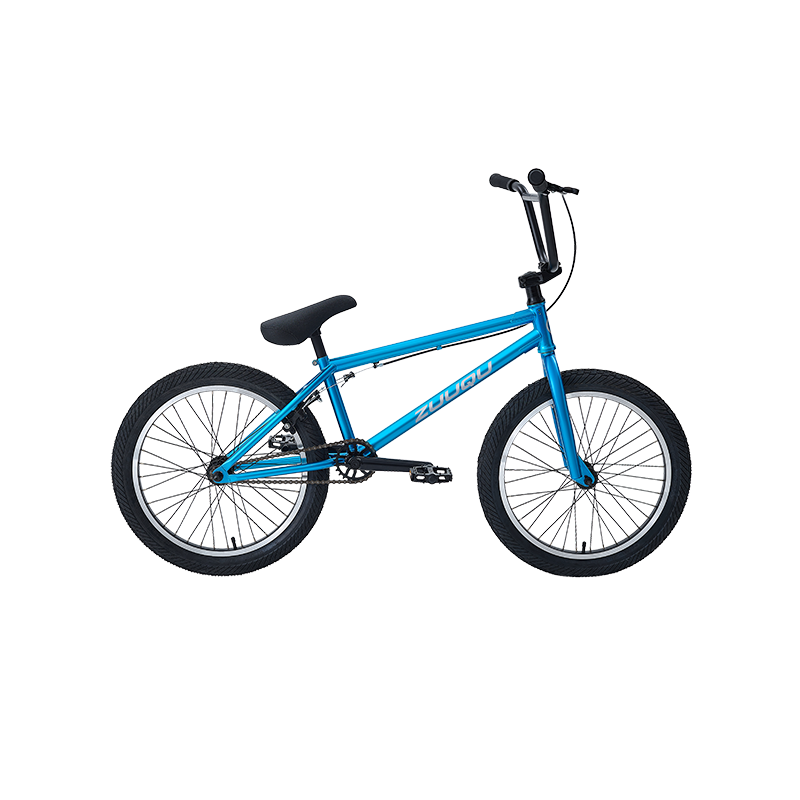
中文简体HYB-038 20"CR-MO BMX BIKE
The HYB-038 20" CR-MO BMX Bike is designed for high-performance freestyle riding, offering exceptional durability, ...

Content
A mountain bike (MTB) is purpose-built for off-road cycling, and every design decision reflects that intent. From the frame geometry to the tire profile, each element is engineered to handle terrain that would stop a road or hybrid bike in its tracks. What immediately sets an MTB apart is its robust construction — frames are built from materials like hydroformed aluminum alloy, chromoly steel, or lightweight carbon fiber, all chosen for their ability to absorb repeated mechanical stress without fatigue. Welds and joints are reinforced at high-load points, and the overall geometry is tuned to keep the rider stable and in control on unpredictable surfaces.
Wide, knobby tires — typically between 2.25 and 2.6 inches in width — provide the grip needed to bite into loose dirt, navigate slippery roots, and roll over rocks without bouncing off line. Powerful hydraulic disc brakes replace the rim brakes found on lighter bikes, delivering consistent stopping performance whether the trail is dry, muddy, or steep. Wide flat handlebars (usually 760–800 mm) give the rider leverage and control through technical sections, while the saddle position encourages a more dynamic, upright posture that improves body-weight management through corners and obstacles.
The drivetrain on a modern MTB is built to the same demanding standard. A wide-range 1x drivetrain — typically 10, 11, or 12-speed — eliminates the front derailleur entirely and replaces it with a single chainring paired with a large cassette (up to 52-tooth). This system simplifies shifting, reduces chain drop on rough terrain, and still provides enough gear range to handle both punishing climbs and fast descents. Trigger shifters on the handlebars allow precise, immediate gear changes even while standing on the pedals through a technical section.
The single most important decision when buying a mountain bike is choosing between a hardtail vs full suspension mountain bike. This choice affects the bike's weight, cost, maintenance requirements, and — most critically — how it behaves on trail. Understanding the mechanical difference between the two systems is the foundation of making the right decision for your riding style.
A hardtail mountain bike has a suspension fork at the front and a completely rigid rear frame — hence the name. The front fork uses either a coil spring or an air spring inside each leg to compress when it hits an obstacle, absorbing the impact before it reaches the rider's hands and arms. Fork travel on hardtails typically ranges from 100 mm (for cross-country riding) to 140 mm (for more aggressive trail use). Because the rear of the bike has no suspension pivot points, linkages, or rear shock, a hardtail frame is mechanically simpler, lighter, and less expensive to produce and maintain.
A full suspension — or dual suspension — mountain bike adds a rear shock absorber connected to the frame via a linkage system. When the rear wheel hits a bump or drop, the linkage allows the rear triangle of the frame to pivot, compressing the shock and absorbing the impact independently of the front fork. This means both wheels are actively tracking the terrain simultaneously, which dramatically increases traction, comfort, and control on technical ground. Rear suspension travel ranges from 100 mm on cross-country bikes up to 200 mm on dedicated downhill machines.
The debate around hardtail vs full suspension mountain bike does not have a universal answer — but it does have a correct answer for each individual rider based on terrain, budget, and goals. The comparison below breaks down the key differences across the factors that matter most:
| Factor | Hardtail MTB | Full Suspension MTB |
|---|---|---|
| Weight | Lighter (fewer components) | Heavier (linkage + rear shock) |
| Cost | Lower entry price | Higher at equivalent spec |
| Maintenance | Simpler, lower cost | Rear shock + bearings need service |
| Climbing Efficiency | More efficient, direct power transfer | Can bob unless shock is locked out |
| Descending Control | Demands more rider skill | More forgiving and confidence-inspiring |
| Rough Trail Performance | Tiring on sustained technical terrain | Absorbs impacts, reduces fatigue |
| Best For | XC, smoother trails, beginners, budget | Trail, enduro, downhill, technical riding |
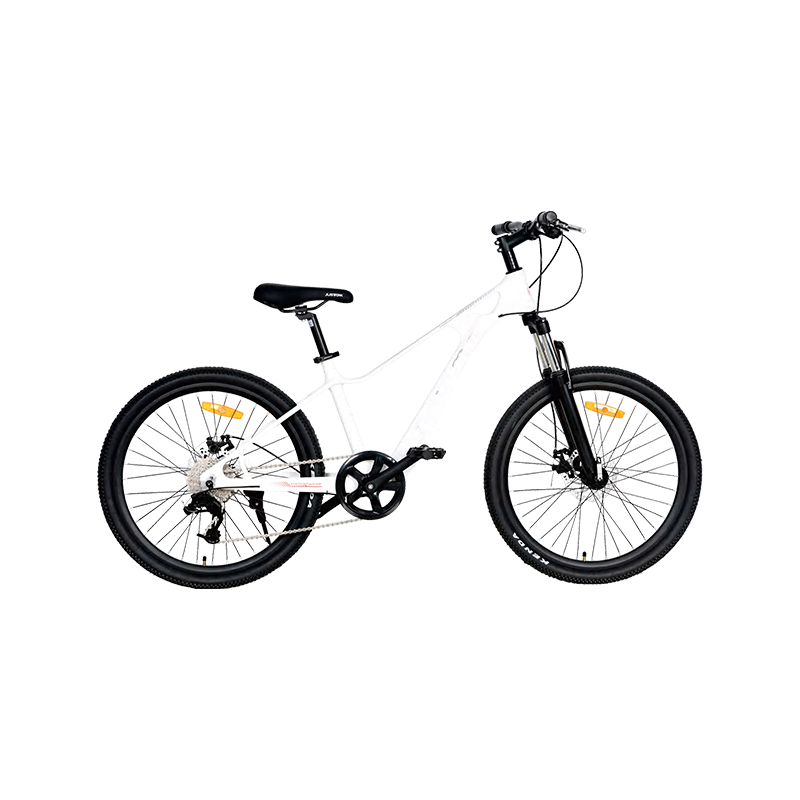
Despite the growing popularity of full suspension designs, hardtail mountain bikes remain an excellent and often superior choice for specific riders and contexts. Their simpler, lighter, and more affordable design gives them genuine advantages that a full suspension bike cannot replicate at the same price point.
For riders who regularly tackle technically demanding terrain, a full suspension mountain bike is not a luxury — it is the appropriate tool. The additional cost and weight are justified by measurable improvements in traction, comfort, and rider confidence that directly translate into faster, safer, and more enjoyable riding on challenging trails.
Beyond the suspension debate, the overall performance of any mountain bike is shaped by the quality and specification of its core components. Whether you choose hardtail or full suspension, these are the parts that will most directly affect your riding experience:
Hydraulic disc brakes are the standard on all serious MTBs, with two-piston calipers entry-level and four-piston calipers on trail and enduro bikes. Rotor size matters — 180 mm rotors are common for trail riding, while 200 mm+ rotors appear on enduro and downhill bikes where heat management under sustained braking is critical. Brands such as Shimano (SLX, XT, XTR) and SRAM (Code, Maven) represent the benchmark in MTB braking performance.
Most modern mountain bikes run 29-inch wheels, which roll over obstacles more easily and maintain speed better than older 27.5-inch (650b) designs. Some enduro bikes use a mullet setup — 29-inch front, 27.5-inch rear — for a balance of rollover and agility. Tires are run tubeless on almost all performance builds, allowing lower pressures (22–28 psi) for better traction without the risk of pinch flats. Tire tread patterns are matched to terrain: open, widely spaced knobs for mud; denser, lower-profile knobs for hardpack.
The robust construction of a quality MTB frame is what allows it to withstand years of hard use. Aluminum frames — particularly 6061 and 7005 alloys — offer an excellent strength-to-weight ratio at accessible price points. Carbon fiber frames save significant weight and can be tuned for specific stiffness characteristics but come at a premium. All frames intended for trail riding or above should be rated to EN 15194 or DIN 79100 standards, which define impact and fatigue resistance for off-road use. Checking a frame's certification is particularly important when buying online or from less established brands.
The final step in choosing between a hardtail and a full suspension mountain bike is honest self-assessment of how and where you actually ride — not where you hope to ride eventually. Use the guide below to identify your profile:
Whichever direction you choose, buy the best components your budget allows on the suspension system first — fork and rear shock quality has more impact on ride feel than almost any other single upgrade. A quality suspension unit on a mid-range frame will outperform budget suspension on an expensive frame every time on the trail.

© 2024 Zhejiang Hangyi Bicycle Manufacture CO., LTD. All rights
 OEM/ODM Bikes Manufacturers
Adult Bicycles Suppliers
OEM/ODM Bikes Manufacturers
Adult Bicycles Suppliers
 Linhang industry park, Zhuji,
  +86-18858280688