

 0
0

 中文简体
中文简体HYB-038 20"CR-MO BMX BIKE
The HYB-038 20" CR-MO BMX Bike is designed for high-performance freestyle riding, offering exceptional durability, ...

Content
BMX bikes, mountain bikes, and road bikes are designed with specific purposes and riding environments in mind. While all three share the fundamental bicycle structure, their geometry, components, and handling characteristics differ significantly. Understanding these differences is essential for riders to select the right bike for their intended use, whether it is performing tricks, tackling rough trails, or covering long distances on pavement.
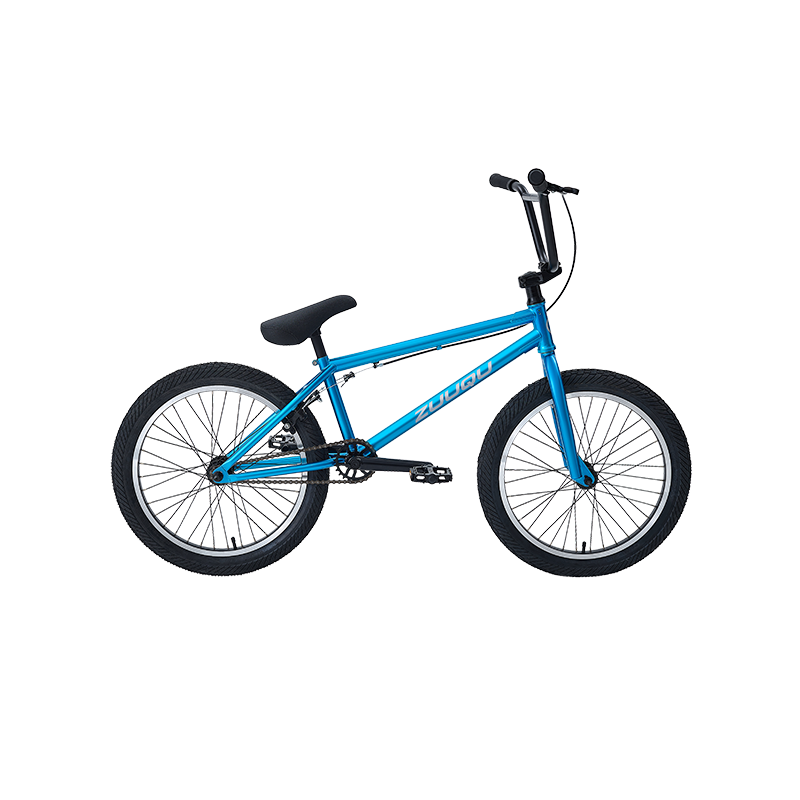
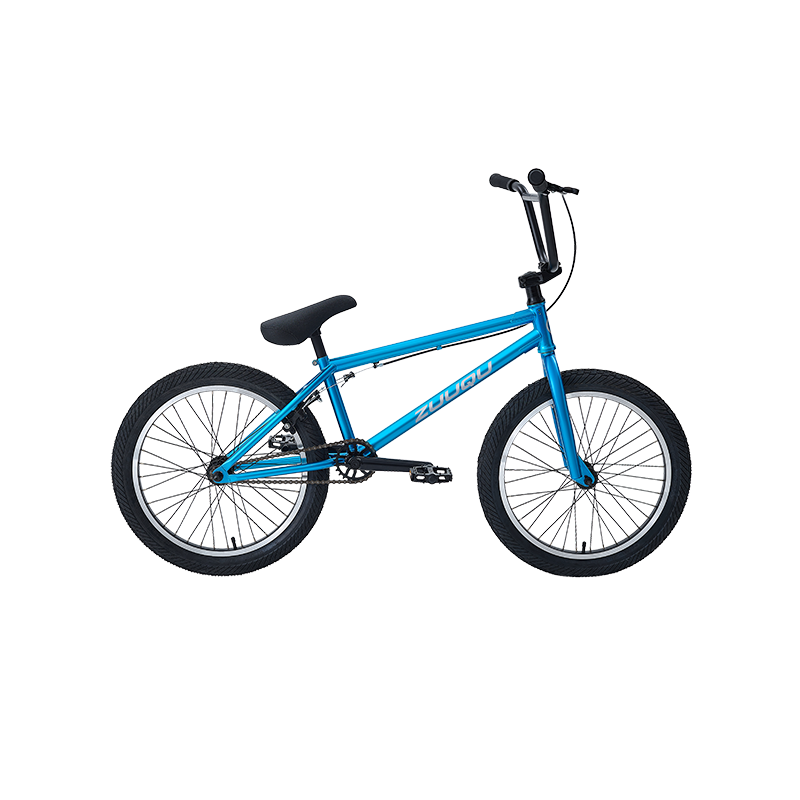
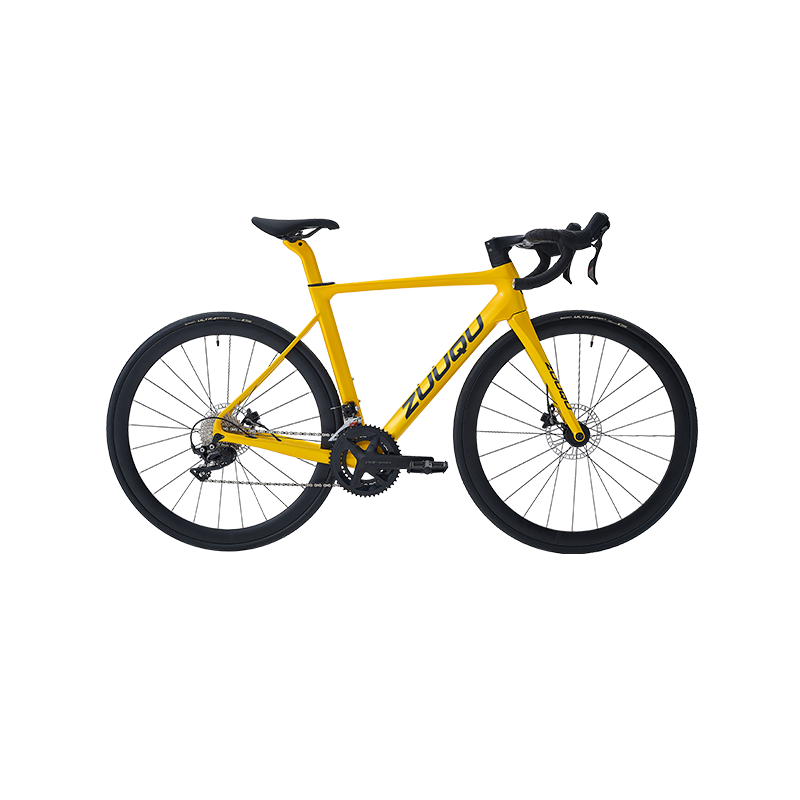
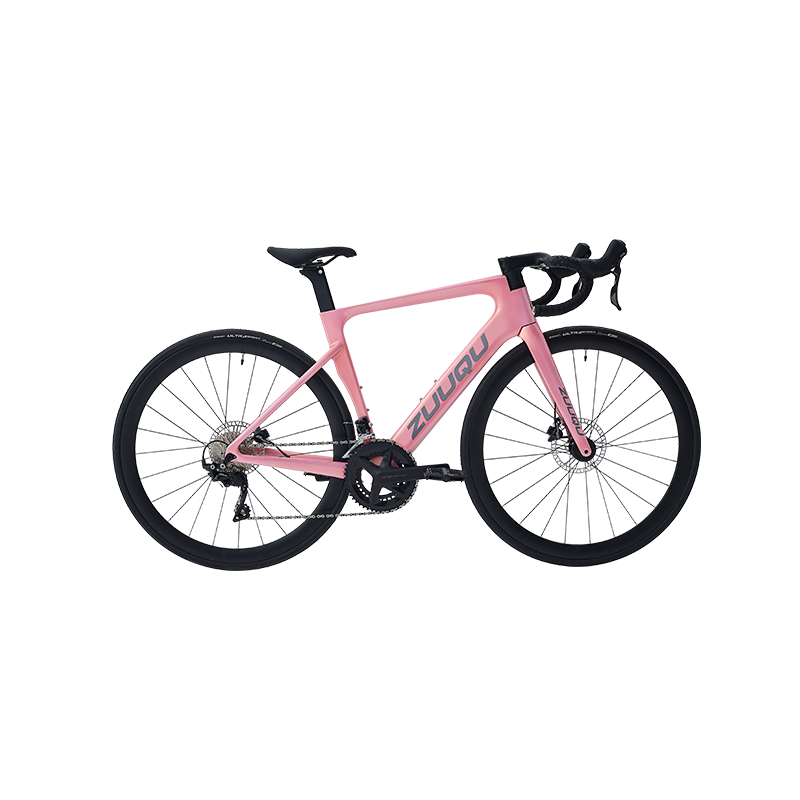
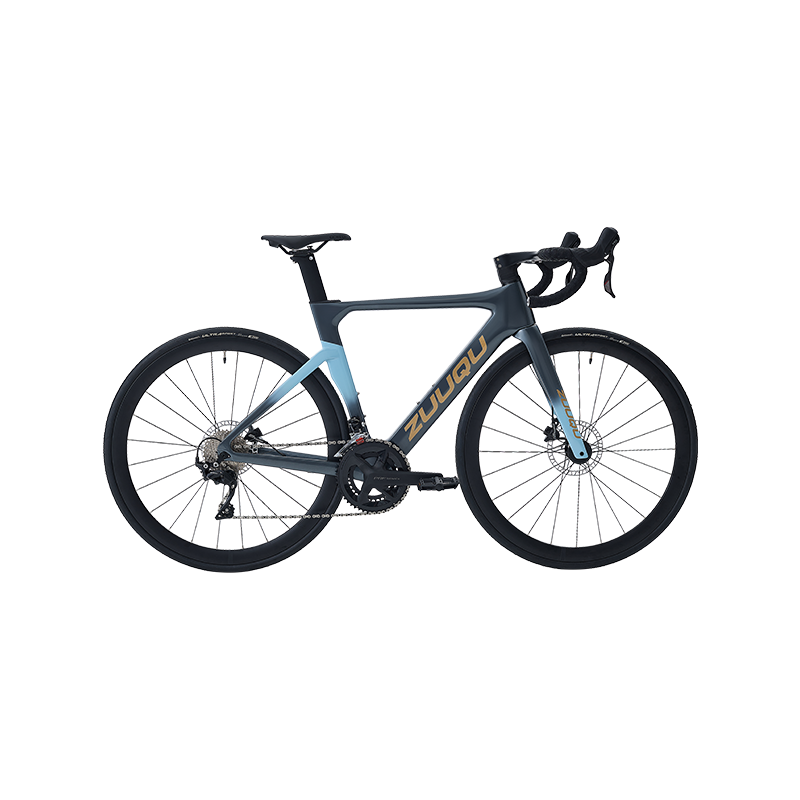
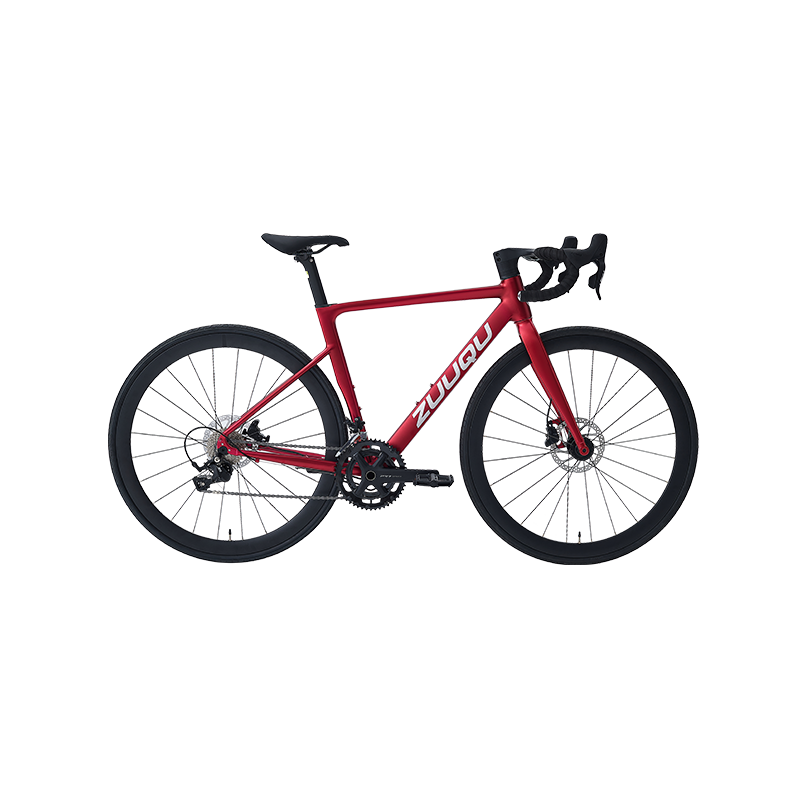
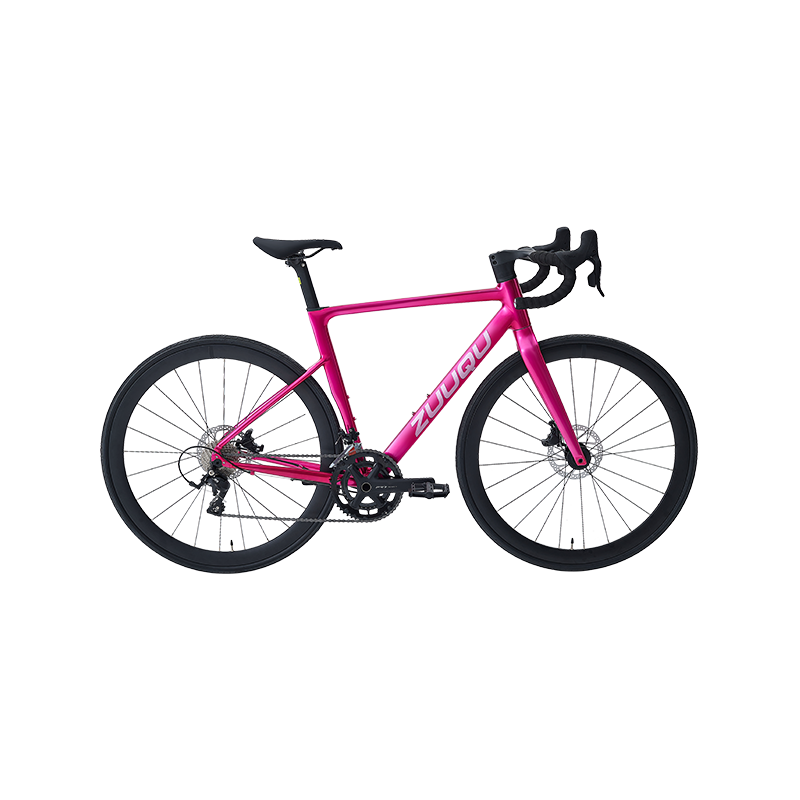
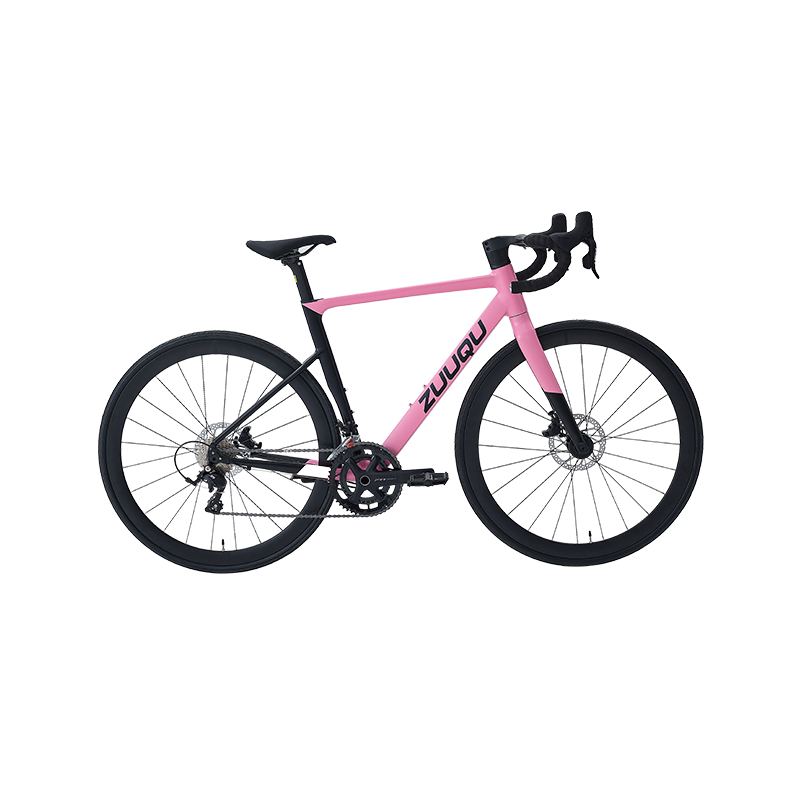
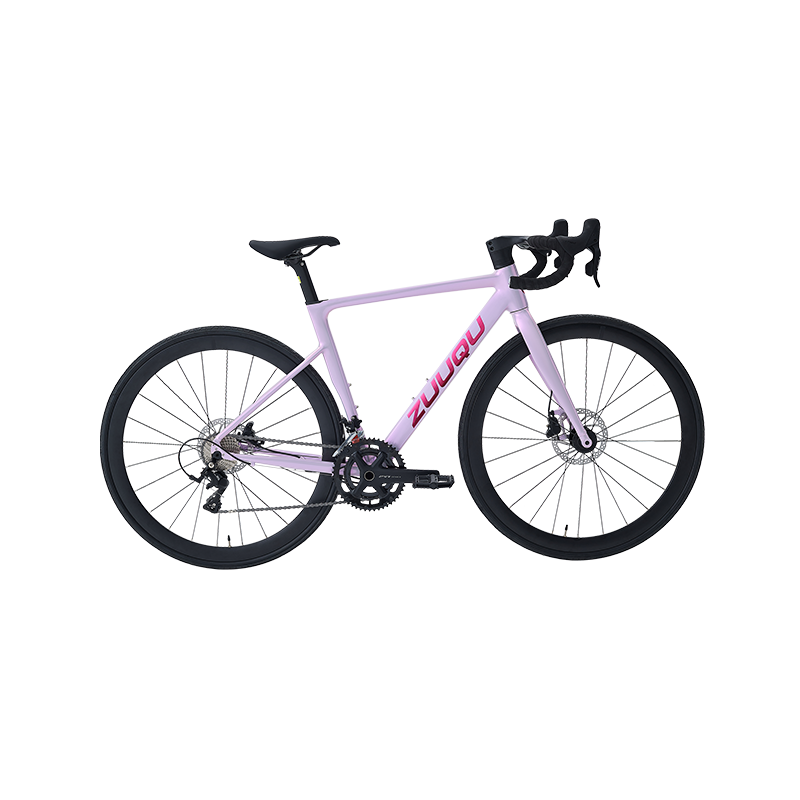
One of the most noticeable differences between BMX, mountain, and road bikes lies in the frame design and geometry. BMX bikes feature compact, sturdy frames with short top tubes and low standover height, allowing riders to perform tricks and jumps with greater control. Mountain bikes have larger, more robust frames designed to absorb shocks and handle rough terrain, often featuring suspension forks and rear shocks. Road bikes, on the other hand, have lightweight, elongated frames optimized for speed and aerodynamic positioning on paved surfaces.
Wheel size and tire design vary considerably between BMX, mountain, and road bikes. BMX bikes typically use 20-inch wheels with thick, knobby tires for grip during jumps and tricks. Mountain bikes often feature 26 to 29-inch wheels with wider tires and deep tread patterns to handle rocks, roots, and mud. Road bikes use 700c wheels with narrow, smooth tires designed for maximum speed and low rolling resistance on pavement.
The gearing system of each bike type reflects its primary function. BMX bikes often have a single-speed drivetrain to simplify maintenance and reduce weight, prioritizing control during tricks. Mountain bikes feature multi-speed drivetrains, sometimes with up to 12 gears, to handle steep climbs and rapid terrain changes. Road bikes utilize high-speed gearing ratios to maintain cadence and efficiency over long distances on flat or rolling surfaces.
Suspension is a major differentiator in ride comfort and handling. BMX bikes usually have rigid frames with no suspension, as tricks require a firm platform and predictable response. Mountain bikes incorporate front suspension (hardtail) or both front and rear suspension (full suspension) to absorb shocks from rough terrain. Road bikes generally have no suspension to maximize pedaling efficiency and speed on smooth surfaces.
BMX bikes are optimized for agility, allowing riders to perform jumps, spins, and stunts in skateparks or on dirt tracks. Mountain bikes prioritize stability and control over uneven trails, with wider handlebars and lower gearing for precise handling. Road bikes focus on high-speed efficiency, featuring drop handlebars and aerodynamic positioning for long-distance performance on pavement.
| Feature | BMX Bike | Mountain Bike | Road Bike |
| Frame | Compact, reinforced, short top tube | Large, robust, often with suspension | Lightweight, elongated, aerodynamic |
| Wheel Size | 20 inches, thick tires | 26–29 inches, wide, knobby | 700c, narrow, smooth |
| Gearing | Single-speed | Multiple-speed | High-speed multi-gear |
| Suspension | None, rigid frame | Front or full suspension | None |
| Primary Use | Tricks, stunts, skateparks | Off-road trails, rough terrain | Long-distance road riding, speed |
While BMX, mountain, and road bikes all share the core concept of a bicycle, they differ greatly in design, components, and intended use. BMX bikes emphasize maneuverability and durability for tricks, mountain bikes prioritize stability and shock absorption for off-road terrain, and road bikes focus on speed and efficiency for pavement riding. Choosing the right type ensures optimal performance, safety, and riding enjoyment based on the rider’s specific needs.

© 2024 Zhejiang Hangyi Bicycle Manufacture CO., LTD. All rights
 OEM/ODM Bikes Manufacturers
Adult Bicycles Suppliers
OEM/ODM Bikes Manufacturers
Adult Bicycles Suppliers
 Linhang industry park, Zhuji,
  +86-18858280688