

 0
0

 中文简体
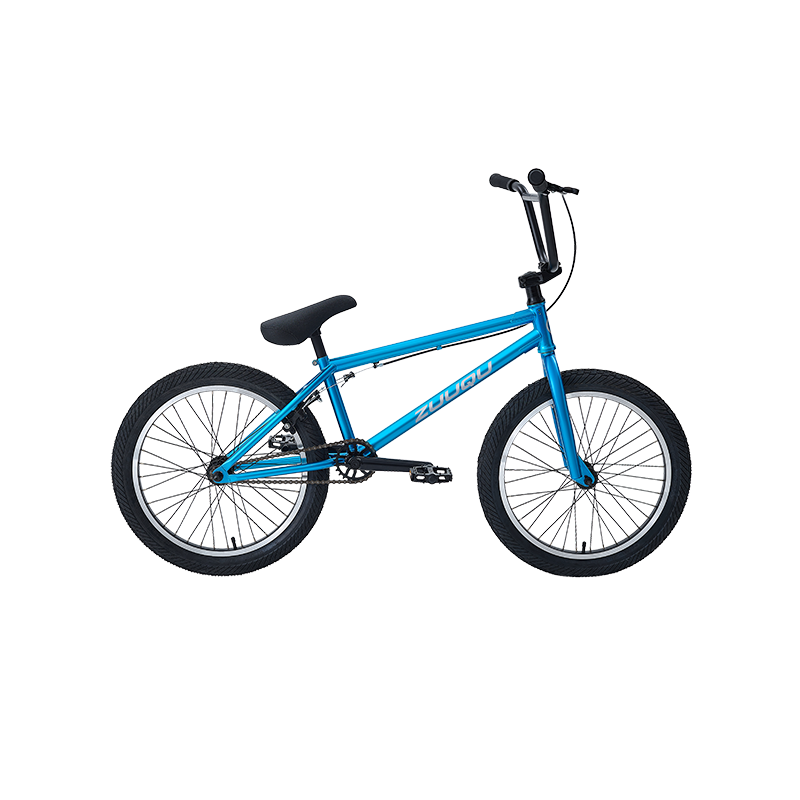
中文简体HYB-038 20"CR-MO BMX BIKE
The HYB-038 20" CR-MO BMX Bike is designed for high-performance freestyle riding, offering exceptional durability, ...

Content
Choosing the right kid bike is essential to ensure your child enjoys riding safely and comfortably. With a wide variety of kid bikes available in 2026, including balance bikes, pedal bikes, and mountain-style bikes, parents need to consider multiple factors such as age, height, skill level, and intended use. Selecting the right bike promotes confidence, encourages outdoor activity, and supports healthy physical development.
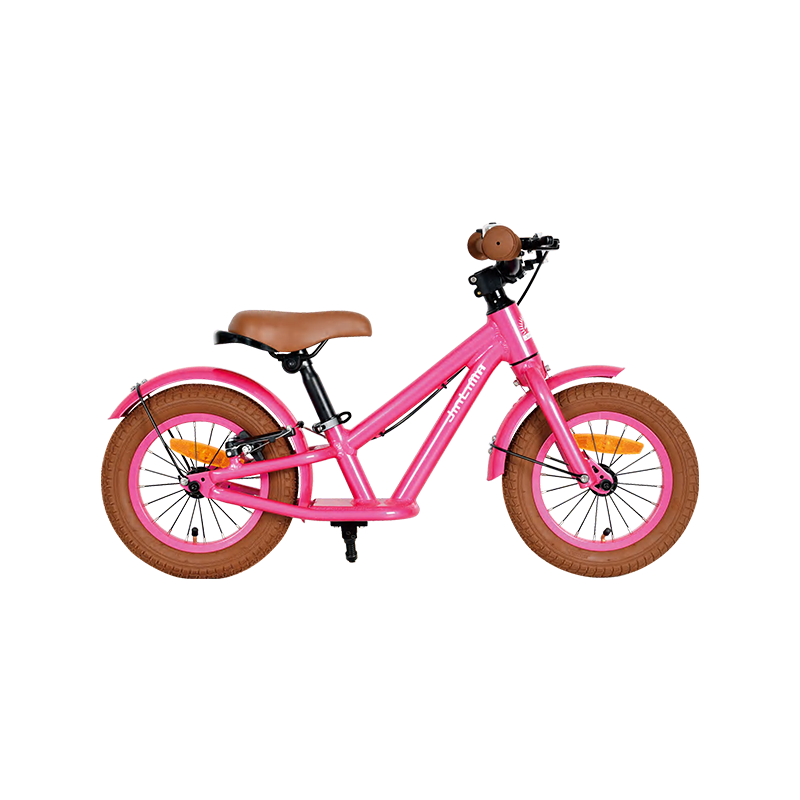
Bike size is one of the most critical aspects of selecting a kid bike. An ill-fitting bike can lead to discomfort, poor control, and safety risks. Size is typically determined by wheel diameter, which should correspond to the child's age and height.
| Child’s Age | Height (cm) | Wheel Size (inches) |
| 2–4 years | 85–100 | 12" |
| 4–6 years | 100–120 | 16" |
| 6–8 years | 115–130 | 20" |
| 8–12 years | 125–150 | 24" |
The type of bike should match your child’s riding experience, confidence, and the terrain where they will ride.
Balance bikes are ideal for toddlers and young children who are learning coordination and balance. These bikes do not have pedals, allowing children to propel themselves with their feet while focusing on balance. They are suitable for ages 2 to 5 and help reduce the learning curve for pedal bikes.
Pedal bikes with training wheels are suitable for beginners transitioning from balance bikes. The removable training wheels provide stability while the child gains confidence in pedaling and steering. They are generally used for ages 3 to 6, depending on the child’s skill level.
Once a child has mastered balance and basic control, standard pedal bikes without training wheels are appropriate. These bikes allow for faster riding and improved handling, suitable for children aged 5 and older.
Safety should be a top priority when choosing a kid bike. Look for the following features:
Children grow quickly, so bikes with adjustable seats, handlebars, and pedals provide longer usability. A comfortable seat and grips encourage longer riding sessions and reduce fatigue. Test the bike’s fit by having your child sit on it, ensuring they can reach the ground with their feet and handle the handlebars comfortably.
While budget is important, prioritize quality over cost. Well-constructed kid bikes offer better safety, durability, and riding experience. Compare features, materials, and reviews to make an informed decision. Investing in a higher-quality bike can save money in the long term by reducing repairs and replacements.
Selecting the right kid bike in 2026 requires considering age, height, skill level, bike type, safety features, adjustability, and quality. By following these guidelines, parents can ensure their child enjoys a safe, comfortable, and engaging biking experience that encourages physical activity and outdoor play. Choosing wisely promotes confidence, skill development, and a lifelong love of cycling.

© 2024 Zhejiang Hangyi Bicycle Manufacture CO., LTD. All rights
 OEM/ODM Bikes Manufacturers
Adult Bicycles Suppliers
OEM/ODM Bikes Manufacturers
Adult Bicycles Suppliers
 Linhang industry park, Zhuji,
  +86-18858280688