

 0
0

 中文简体
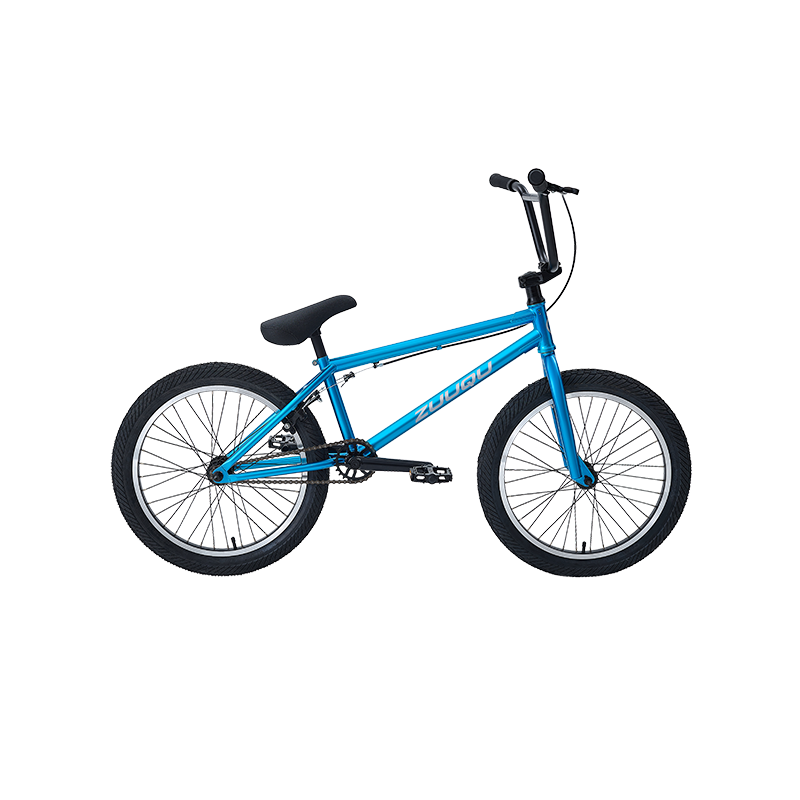
中文简体HYB-038 20"CR-MO BMX BIKE
The HYB-038 20" CR-MO BMX Bike is designed for high-performance freestyle riding, offering exceptional durability, ...

Choosing the right mountain bike for different riding terrains requires a clear understanding of how trail conditions influence bike structure, suspension behavior, geometry, and component selection. Mountain bikes are built with specific terrain demands in mind, and selecting the wrong configuration can lead to reduced control, discomfort, or inefficient riding. This article focuses on practical decision-making factors that directly relate to terrain types rather than generalized product categories.
Content
Terrain is the primary factor that determines how a mountain bike should be configured. Smooth hardpack trails place different demands on a bike than rocky descents, loose gravel, or steep technical climbs. Before evaluating bike specifications, it is important to identify whether the terrain is primarily flat, undulating, steep, technical, or mixed, as each environment affects handling, traction, and rider efficiency in distinct ways.
Cross-country terrain typically consists of long-distance trails, rolling hills, and relatively smooth surfaces with occasional roots or rocks. Efficiency and weight management are the key priorities in this environment. Bikes designed for cross-country riding emphasize rapid acceleration, effective power transfer, and climbing efficiency rather than aggressive downhill capability.
Trail terrain represents a mix of climbs, descents, turns, and obstacles, making versatility a top priority. A trail mountain bike must handle moderate technical sections while remaining comfortable and controllable over extended rides. This category is often chosen by riders who encounter varied terrain within a single ride.
Enduro terrain is characterized by steep descents, rough surfaces, and extended downhill sections combined with technical climbs. Bikes intended for this terrain focus on downhill control and durability while maintaining enough efficiency to handle climbs between stages.
Downhill terrain places extreme demands on a mountain bike. These trails feature steep gradients, large drops, and continuous obstacles. Bikes built for downhill riding prioritize control and strength over weight or pedaling efficiency.
| Terrain Type | Suspension Style | Geometry Focus | Primary Advantage |
| Cross-Country | Hardtail or Short Travel | Steep and Efficient | Climbing Speed |
| Trail | Mid Travel | Balanced | Versatility |
| Enduro | Long Travel | Slack and Stable | Downhill Control |
| Downhill | Very Long Travel | Low and Slack | Maximum Stability |
Beyond terrain alone, riding frequency and technical skill influence which mountain bike setup will perform best. Riders who regularly encounter challenging terrain benefit from bikes that offer greater margin for error and improved control, while occasional riders may prioritize efficiency and ease of handling. Selecting a bike aligned with both terrain and experience level leads to more predictable performance and long-term riding satisfaction.

© 2024 Zhejiang Hangyi Bicycle Manufacture CO., LTD. All rights
 OEM/ODM Bikes Manufacturers
Adult Bicycles Suppliers
OEM/ODM Bikes Manufacturers
Adult Bicycles Suppliers
 Linhang industry park, Zhuji,
  +86-18858280688