

 0
0

 中文简体
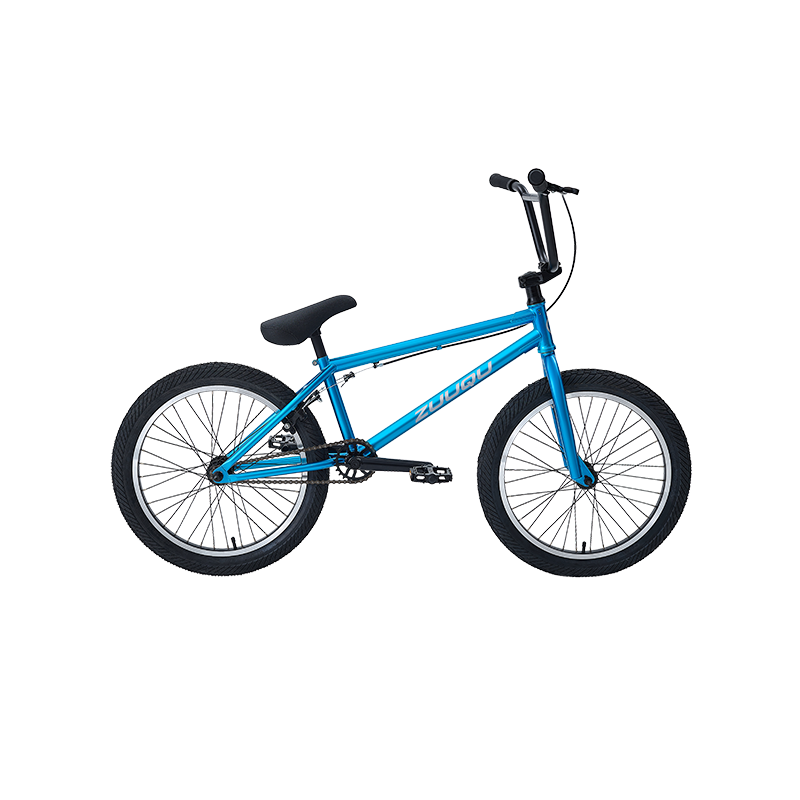
中文简体HYB-038 20"CR-MO BMX BIKE
The HYB-038 20" CR-MO BMX Bike is designed for high-performance freestyle riding, offering exceptional durability, ...

Content
Choosing the right mountain bike starts with understanding your riding style. Mountain biking covers a wide range of activities, from casual trail riding to aggressive downhill racing. Identifying the terrain you most often ride, your level of experience, and the type of challenges you enjoy will help you select a bike that matches your needs. Riding styles typically include cross-country (XC), trail, enduro, downhill, and all-mountain, each requiring different bike features and specifications.
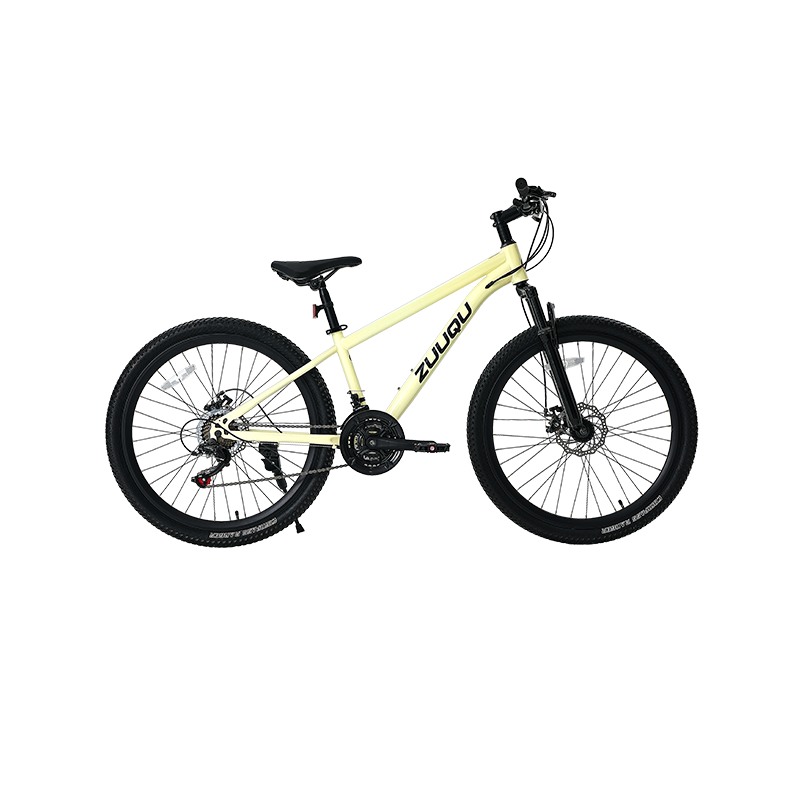
Mountain bikes are designed for specific purposes, and understanding these types ensures you make an informed choice. Choosing the wrong type can affect comfort, performance, and safety.
XC bikes are lightweight and built for speed over long distances and varied terrain. They usually have front suspension or a short-travel full suspension and prioritize climbing efficiency and endurance. Ideal for riders who enjoy long trail rides or competitive racing on smoother trails.
Trail bikes are versatile and designed for riders who encounter a mix of climbing and descending. They typically feature medium-travel full suspension, providing a balance between control, comfort, and maneuverability. Perfect for riders who explore a variety of trails without specializing in extreme downhill or cross-country racing.
Enduro and all-mountain bikes are designed for aggressive riding on technical terrain. They feature long-travel suspension, sturdy frames, and components that can withstand rough descents. These bikes excel on downhill sections while still allowing efficient climbing, making them suitable for experienced riders seeking challenging trails.
Downhill bikes are purpose-built for steep, technical descents. They feature very long-travel suspension, reinforced frames, and powerful brakes to handle high-speed downhill riding. These bikes are not intended for long climbs and are ideal for lift-accessed trails or bike parks.
The frame material affects the bike’s weight, durability, and ride feel. Common options include aluminum, carbon fiber, steel, and titanium. Aluminum offers a lightweight and durable solution, while carbon fiber is lighter and absorbs vibrations well. Steel provides strength and comfort but is heavier, and titanium combines strength and lightness but at a higher cost. Geometry, including the angles of the head tube and seat tube, impacts handling and comfort, so choosing a frame that complements your riding style is essential.
Suspension affects control, comfort, and performance across different terrains. The two main types are hardtail and full suspension.
Hardtail bikes have front suspension only and are generally lighter and more efficient for climbing. They are suitable for smoother trails, cross-country racing, and riders seeking lower maintenance requirements.
Full suspension bikes have both front and rear suspension, offering improved control, traction, and comfort on rough and technical trails. While they are heavier and require more maintenance, they provide a more forgiving ride for enduro, trail, and downhill riders.
Wheel size influences handling, stability, and rolling efficiency. The common wheel sizes are 26”, 27.5”, and 29”. Larger wheels roll over obstacles more easily and provide better traction, while smaller wheels are more agile and easier to maneuver. Tire width and tread patterns should match your terrain and riding style. Wider tires improve grip and comfort on technical trails, while narrower tires are lighter and faster on smoother paths.
Modern mountain bikes feature advanced gear and braking systems. Choosing the right setup depends on your riding style and terrain challenges.
| Component | Recommended Type | Purpose |
| Gears | 1x or 2x drivetrains | Simplified shifting and reduced maintenance for trails |
| Brakes | Hydraulic disc brakes | Consistent stopping power in all conditions |
A properly fitted mountain bike enhances control and reduces fatigue. Ensure the saddle height, handlebar width, and stem length match your body dimensions and riding preferences. Test rides are crucial to confirm comfort, handling, and posture alignment before making a final purchase.
Your budget plays an important role in selecting the right mountain bike. While high-end bikes offer lighter frames and advanced components, mid-range bikes provide excellent performance for most riders. Consider future upgrades, maintenance costs, and availability of replacement parts when choosing a bike that fits both your current needs and long-term goals.
Selecting the right mountain bike requires careful evaluation of your riding style, terrain, suspension preferences, frame material, wheel size, and component choices. Taking time to test different bikes, prioritize comfort and fit, and consider long-term maintenance ensures that you make a choice that enhances your riding experience and performance. With the right mountain bike, you can confidently explore trails, improve skills, and enjoy safe, efficient, and exciting rides.

© 2024 Zhejiang Hangyi Bicycle Manufacture CO., LTD. All rights
 OEM/ODM Bikes Manufacturers
Adult Bicycles Suppliers
OEM/ODM Bikes Manufacturers
Adult Bicycles Suppliers
 Linhang industry park, Zhuji,
  +86-18858280688