

 0
0

 中文简体
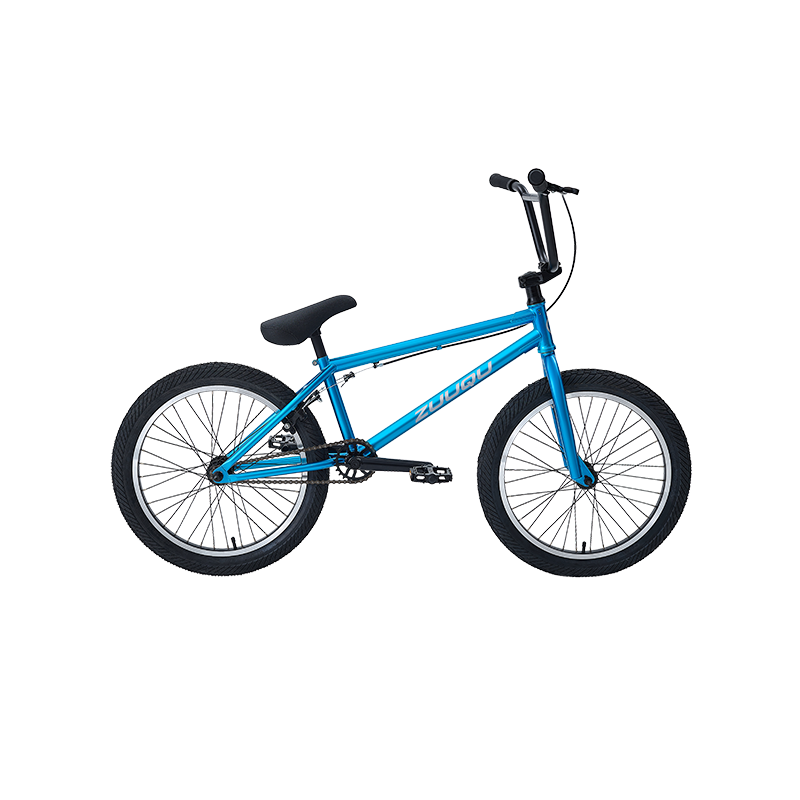
中文简体HYB-038 20"CR-MO BMX BIKE
The HYB-038 20" CR-MO BMX Bike is designed for high-performance freestyle riding, offering exceptional durability, ...

Content
Choosing the right mountain bike begins with understanding the different types available and how each design aligns with your preferred riding style. Mountain bikes are generally categorized into cross-country (XC), trail, enduro, downhill, and fat bikes. Each type is engineered to handle specific terrain challenges, ranging from smooth forest trails to steep, technical descents. Recognizing the unique attributes of each type helps riders select a bike that maximizes comfort, performance, and control.
XC bikes are designed for efficiency and speed on varied terrain. They typically feature lightweight frames, long-travel suspension systems of 80–120mm, and narrow tires optimized for minimal rolling resistance. XC bikes are ideal for riders who prioritize endurance and climbing ability over extreme downhill capability. They provide excellent energy transfer for pedaling on longer trails while maintaining sufficient control on moderate descents.
Trail bikes are versatile options for riders who encounter a mix of climbs and technical descents. They generally feature mid-travel suspension of 120–150mm and slightly wider tires for added stability. All-mountain bikes, closely related, are built for more aggressive terrain and longer descents. Riders should consider suspension travel, frame geometry, and component strength when selecting these bikes to ensure they can handle steep, rocky trails without sacrificing climbing efficiency.
Enduro bikes are designed for riders who focus on challenging descents but still need to pedal uphill. They usually feature 150–170mm of suspension travel, reinforced frames, and wider handlebars for stability. Downhill bikes are optimized exclusively for steep, technical terrain with heavy-duty frames, 180–200mm suspension travel, and robust braking systems. These bikes prioritize control and impact absorption over climbing performance, making them suitable for lift-assisted trails or downhill-focused riding.
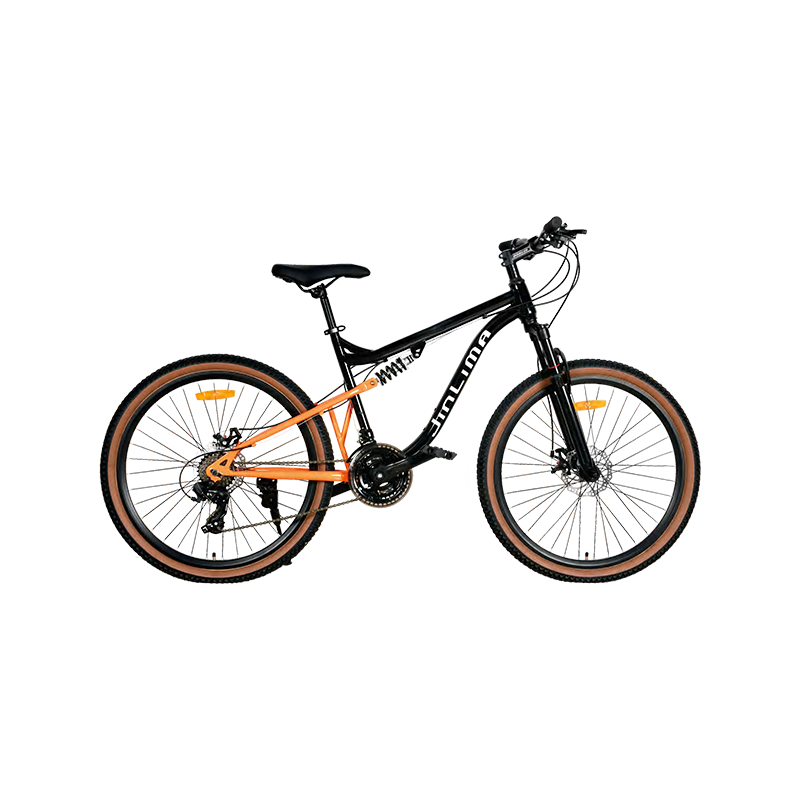
The frame material and geometry of a mountain bike significantly impact handling, comfort, and overall ride experience. Common frame materials include aluminum, carbon fiber, steel, and titanium. Aluminum offers a lightweight, stiff frame suitable for most riders, while carbon fiber provides additional vibration damping and a higher strength-to-weight ratio. Steel frames offer durability and natural flex, ideal for riders seeking a smoother ride on rough trails. Titanium frames combine lightweight properties with exceptional fatigue resistance but come at a higher cost.
Key geometry factors such as head tube angle, seat tube angle, and chainstay length influence handling. A slacker head tube angle improves stability on steep descents, while a steeper angle enhances maneuverability on tight corners. Longer chainstays increase climbing stability but can reduce agility. Riders should evaluate these parameters in relation to their primary terrain and riding style to ensure optimal control and comfort.
Suspension setup is critical for controlling impact, maintaining traction, and enhancing rider confidence. Cross-country bikes usually employ 80–120mm of front and rear travel for efficiency, whereas trail bikes often use 120–150mm. Enduro and downhill bikes require 150–200mm of travel to absorb larger drops and technical obstacles. Riders should also consider suspension damping and adjustability features, such as lockout and rebound settings, to match trail conditions and personal preference.
Tire choice is another crucial factor in mountain bike performance. Narrow tires (1.8–2.2 inches) with low rolling resistance are suitable for XC riding, whereas wider tires (2.3–2.6 inches) provide improved traction and stability on trail or enduro bikes. Aggressive tread patterns enhance grip in loose or muddy conditions, while smoother treads reduce rolling resistance on hard-packed trails. Selecting the correct tire width and pattern ensures the bike performs optimally on the rider’s preferred terrain.
High-quality components improve both performance and longevity. Braking systems, such as hydraulic disc brakes, provide consistent stopping power in all conditions. Drivetrain components, including derailleurs, shifters, and cassettes, determine gear range and shifting precision. Riders should also consider wheel size, typically 27.5-inch or 29-inch, as larger wheels improve roll-over capability and maintain momentum on technical terrain, while smaller wheels enhance maneuverability.
A well-maintained mountain bike prolongs component life and ensures safety. Regular inspection of the suspension system, drivetrain, brakes, and tires is essential. Cleaning and lubrication, particularly after muddy or dusty rides, prevent premature wear and maintain smooth performance. Riders should also periodically check frame integrity and tighten bolts to factory specifications.
Selecting the right mountain bike requires balancing personal riding style, terrain preferences, and performance priorities. XC riders may focus on lightweight, efficient frames and narrower tires, while trail riders prioritize balanced geometry and mid-travel suspension. Enduro and downhill riders need robust frames, long-travel suspension, and wider tires for stability on technical descents. Considering all these factors helps riders find a bike that offers comfort, control, and an enjoyable riding experience tailored to their terrain and skill level.
| Bike Type | Suspension Travel | Tire Width | Ideal Terrain |
| Cross-Country | 80–120mm | 1.8–2.2 in | Smooth trails, climbs |
| Trail | 120–150mm | 2.2–2.5 in | Mixed trails, technical descents |
| Enduro | 150–170mm | 2.3–2.6 in | Steep technical trails, descents |
| Downhill | 180–200mm | 2.5–2.8 in | High-speed descents, extreme terrain |
By carefully evaluating mountain bike type, frame material, geometry, suspension, tires, and components, riders can choose the bike best suited to their riding style and terrain preferences. This approach ensures optimal performance, comfort, and safety while maximizing the enjoyment of off-road cycling adventures.

© 2024 Zhejiang Hangyi Bicycle Manufacture CO., LTD. All rights
 OEM/ODM Bikes Manufacturers
Adult Bicycles Suppliers
OEM/ODM Bikes Manufacturers
Adult Bicycles Suppliers
 Linhang industry park, Zhuji,
  +86-18858280688