

 0
0

 中文简体
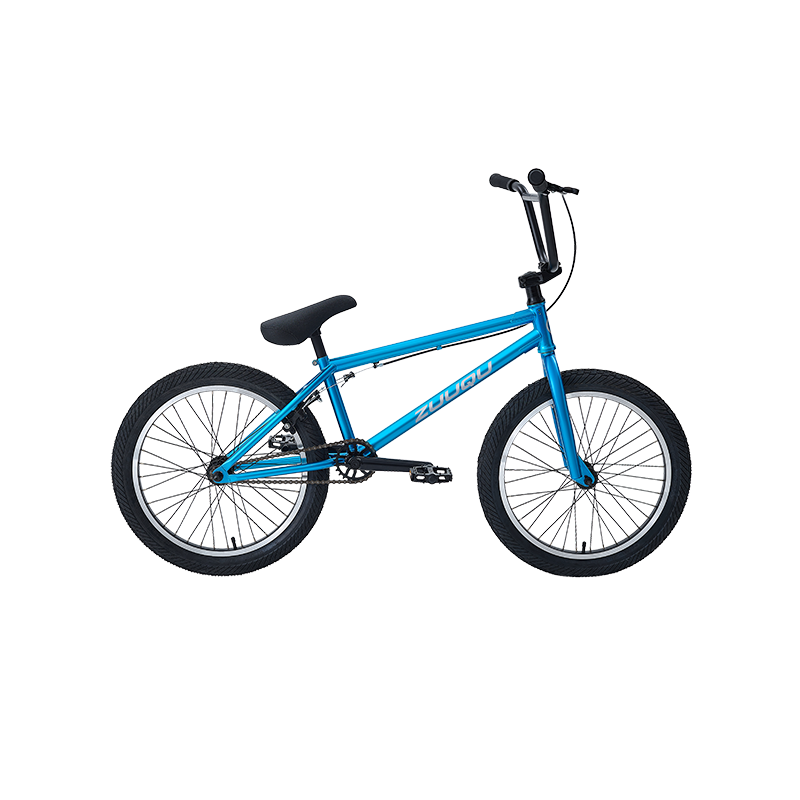
中文简体HYB-038 20"CR-MO BMX BIKE
The HYB-038 20" CR-MO BMX Bike is designed for high-performance freestyle riding, offering exceptional durability, ...

Content
Choosing the correct kids bike sizes is one of the most consequential decisions a parent makes when introducing a child to cycling. A bike that is too large forces a child to stretch uncomfortably to reach the handlebars, prevents them from placing their feet flat on the ground when stopping, and creates a genuine safety hazard when balance and control are already being learned for the first time. A bike that is too small places the child in a cramped, inefficient riding position that limits confidence and makes the transition to a larger bike feel abrupt and difficult. Neither scenario supports the development of good cycling habits, and both can create negative associations with riding that persist for years.
The good news is that sizing children's bikes correctly is straightforward when you understand the measurement system used in the industry and apply it consistently. Unlike adult bicycles, which are sized by frame geometry, kids bikes are sized primarily by wheel diameter, expressed in inches. The wheel size determines the overall scale of the bike, and for each wheel size there is a corresponding range of child heights and ages for which that bike provides the optimal riding geometry. Understanding this relationship — and measuring your child accurately before making any purchase — removes guesswork from the process and sets every young rider up for success from their very first ride.
The most reliable measurement for kids bike sizing is inseam length rather than overall height, because children's body proportions vary significantly at the same height — a child with long legs and a short torso needs a very different bike geometry than a child of the same height with the opposite proportions. To measure inseam accurately, have the child stand barefoot with their back against a wall and their feet approximately 15 cm apart. Place a hardcover book between their legs with the spine pressed firmly upward into the crotch, simulating the pressure of a saddle, and measure the distance from the top of the book spine to the floor. This inseam measurement, compared against the minimum saddle height of each bike under consideration, determines whether the child can place their feet flat on the ground — which is essential for balance and confident stopping, particularly for beginners.
For children who are between sizes or growing rapidly, always size down rather than up. A child riding a correctly sized bike they will grow out of in twelve months learns faster, rides more confidently, and enjoys cycling more than a child struggling with a bike that is even slightly too large. The cost of replacing a bike that has been outgrown is far smaller than the cost of a child who loses confidence or interest in cycling because their bike never felt controllable.
The following chart provides a practical reference for matching wheel size to child age, height, and inseam. These ranges are guidelines — individual children at the boundaries between sizes should be assessed by sitting on the actual bike rather than relying on the chart alone.
| Wheel Size | Approx. Age | Child Height | Inseam Range |
| 10–12 inch (Balance Bike) | 18 months – 3 years | 80 – 100 cm | 30 – 42 cm |
| 14 inch | 3 – 4 years | 95 – 107 cm | 38 – 50 cm |
| 16 inch | 4 – 6 years | 105 – 117 cm | 45 – 55 cm |
| 20 inch | 6 – 9 years | 115 – 135 cm | 53 – 63 cm |
| 24 inch | 8 – 11 years | 130 – 148 cm | 60 – 72 cm |
| 26 inch | 10 – 13 years | 145 – 158 cm | 68 – 78 cm |
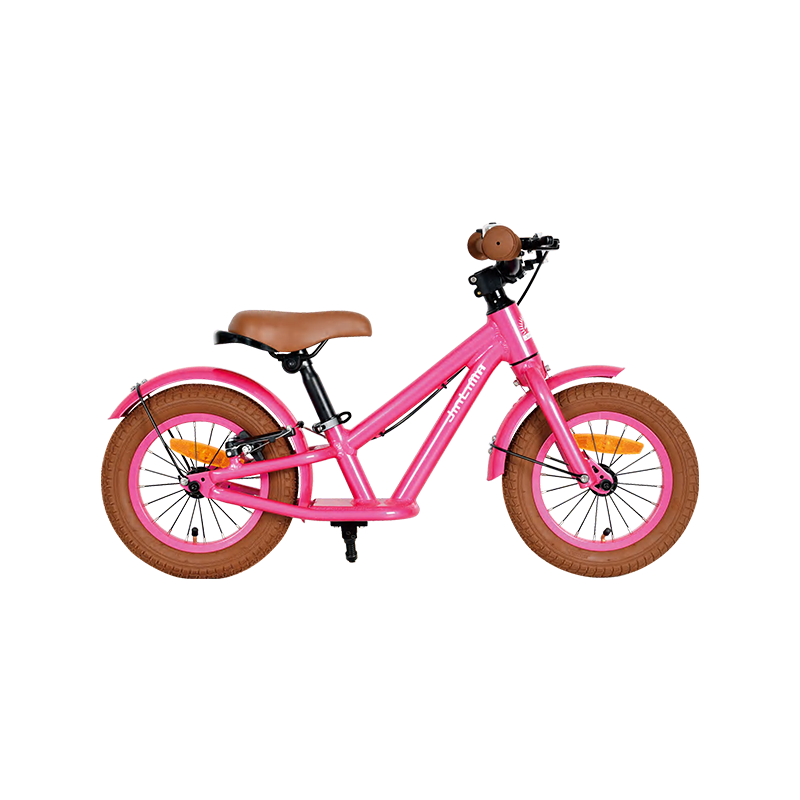
Balance bikes provide a fun and effective way for young children to develop essential motor skills and confidence, setting them on the path to becoming confident cyclists far more efficiently than any alternative first-bike approach. A balance bike is a pedal-free bicycle on which the child propels themselves by walking or running with their feet on the ground, gradually lifting their feet for longer gliding periods as their balance improves. This process develops the core skill of balancing on two wheels — the only genuinely difficult part of learning to ride — in a completely natural, self-paced way that eliminates the fear and frustration associated with training wheels.
The developmental advantage of balance bikes over training wheel bikes is well established in both cycling education research and the practical experience of thousands of parents who have watched children make the transition from balance bike to pedal bike in a matter of hours rather than weeks. Training wheels allow the child to pedal and steer but provide no opportunity to develop the proprioceptive balance responses that cycling requires. When training wheels are eventually removed, the child effectively starts learning to balance from scratch on a heavier, more complex bike — a transition that many children find discouraging. Balance bike riders, by contrast, have already mastered balancing before pedaling is introduced, so the addition of pedals becomes a simple and largely intuitive step rather than a major new challenge.
Not all balance bikes are equal, and selecting the right one involves evaluating several specific features that directly affect how quickly and comfortably a child progresses through the balance-learning process. Weight is the most critical factor: a balance bike should be as light as possible relative to the child's body weight, because a heavy bike is difficult for a small child to maneuver, lift when it tips over, and carry when they tire. As a general guideline, a balance bike should weigh no more than 30% of the child's body weight, with lighter always being better. Aluminum and composite frame bikes are significantly lighter than steel frame alternatives and are worth the additional cost for this reason alone.
The saddle height range of a balance bike determines both when the child can start using it and how long it will remain usable as they grow. The minimum saddle height should allow the child to place both feet flat on the ground simultaneously with a slight bend at the knee — not a full flat-footed stance with straight legs, which places the saddle too low and encourages an inefficient walking gait rather than a running glide. The maximum saddle height determines the upper age and height limit of the bike. Look for balance bikes with a wide saddle height range, ideally spanning at least 10 cm, to maximize the period of use and provide good value across the child's early growth stages.
Balance bikes are available with either pneumatic (air-filled) tires or solid foam tires. Pneumatic tires provide superior ride quality on uneven surfaces, absorbing small bumps and providing better grip on grass, gravel, and wet pavement — the outdoor surfaces where most young children learn to ride. Foam tires are puncture-proof and require no maintenance, which is appealing for busy parents, but they transmit more vibration to the rider and provide less grip than properly inflated pneumatic tires. For children who will ride primarily on smooth indoor or paved surfaces, foam tires are an acceptable convenience choice. For children who will use their balance bike outdoors across varied terrain, pneumatic tires are the better performing option.
Handlebars on balance bikes should have soft, ergonomic grips that are comfortable for small hands during extended riding and rounded or padded bar ends that reduce injury risk in the event of a fall. Some balance bikes incorporate a steering limiter — a mechanism that restricts the maximum turning angle of the handlebars to prevent the front wheel from turning so sharply that the bike becomes unstable. Steering limiters are particularly useful for very young beginners who have not yet developed smooth, controlled steering habits, as they prevent the overcorrection that can cause the bike to tip suddenly at low speeds.
Children who have developed confident gliding skills on a balance bike — typically demonstrated by their ability to lift both feet simultaneously and glide smoothly for several seconds while maintaining a straight line — are ready to transition to a pedal bike. The transition is almost always faster and smoother than parents expect. Because the balance skill is already fully developed, the child needs only to learn the mechanical action of pushing the pedals in a circular motion to generate forward momentum, which most children grasp within one or two short practice sessions.
When selecting the first pedal bike following a balance bike, apply the kids bike sizes chart accurately and resist the temptation to size up for longevity. A 14-inch or 16-inch pedal bike for a child graduating from a balance bike at age three to four should fit correctly for their current measurements, not their projected measurements in two years. Ensure the first pedal bike has a reliable hand brake positioned within easy reach of small fingers — rear coaster brakes that require backpedaling are often counterintuitive for children who learned on balance bikes and can create momentary confusion during stopping. A hand-operated rear brake gives children direct, intuitive braking control that reinforces safe riding habits from the very beginning of their pedal cycling journey.
Regardless of whether a child is riding a balance bike for the first time or graduating to a 24-inch pedal bike, appropriate safety equipment is non-negotiable and should be established as a non-negotiable habit from the very first ride. Making safety gear a routine part of getting ready to ride — as automatic as putting on shoes — ensures that children develop protective habits that they carry forward into independent cycling and beyond.

© 2024 Zhejiang Hangyi Bicycle Manufacture CO., LTD. All rights
 OEM/ODM Bikes Manufacturers
Adult Bicycles Suppliers
OEM/ODM Bikes Manufacturers
Adult Bicycles Suppliers
 Linhang industry park, Zhuji,
  +86-18858280688