

 0
0

 中文简体
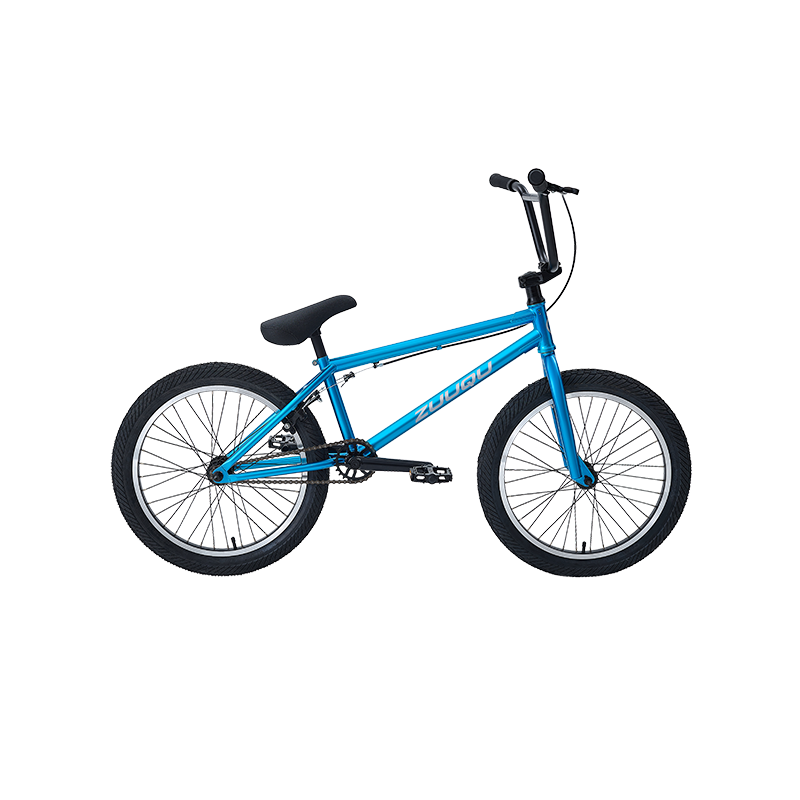
中文简体HYB-038 20"CR-MO BMX BIKE
The HYB-038 20" CR-MO BMX Bike is designed for high-performance freestyle riding, offering exceptional durability, ...

Content
Selecting the right bike for a child involves more than picking a favorite color. Age, height, and riding experience all play critical roles in ensuring a safe and enjoyable ride. Kids bikes are categorized primarily by wheel size, which affects balance, comfort, and control. Taking the time to choose the correct size and type of bike ensures the child develops confidence and skills while riding safely.
Wheel size is the most important factor when buying a kids bike. The size influences stability, comfort, and control. Below is a guide based on age and skill level:
Understanding the different types of kids bikes can help parents select a model suited to their child’s interests and abilities. Bikes range from beginner-friendly balance bikes to more advanced mountain and road bikes designed for specific terrains.
Balance bikes have no pedals, allowing children to focus entirely on learning balance. They encourage toddlers to develop coordination, confidence, and spatial awareness, which makes the transition to pedal bikes much smoother. Lightweight frames and low seats make these bikes easy to control for young riders.
These bikes combine pedals with removable training wheels. They are ideal for children who are ready to learn pedaling but still need support to maintain balance. As the child gains confidence, the training wheels can be gradually removed, promoting independence and a sense of achievement.
Kids mountain bikes feature durable frames, wider tires, and shock absorption to handle off-road trails and rough surfaces. Many models include gears, enabling children to tackle hills and variable terrain while learning the fundamentals of shifting and braking safely.
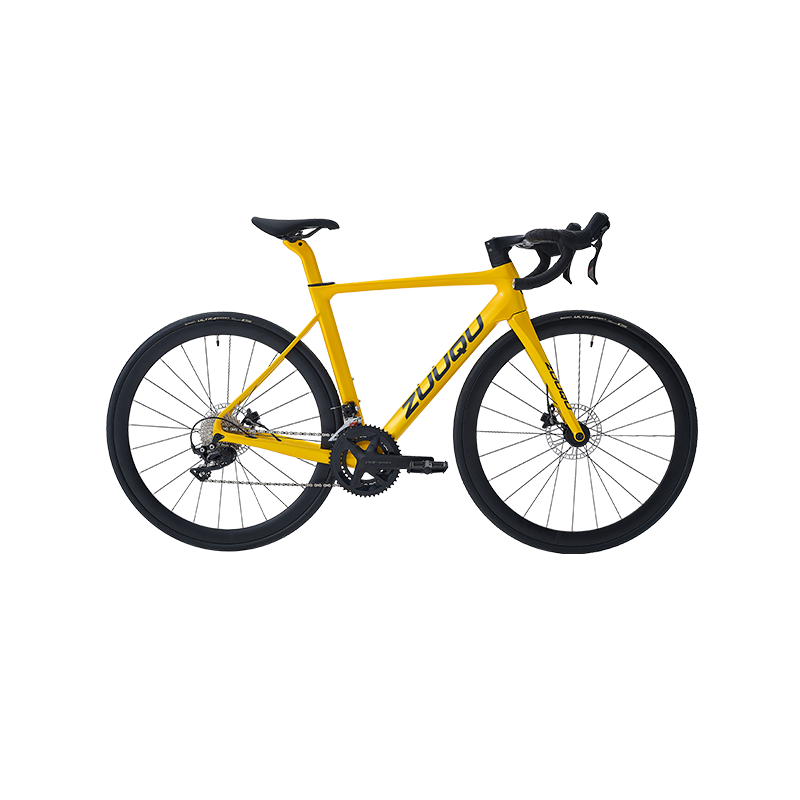
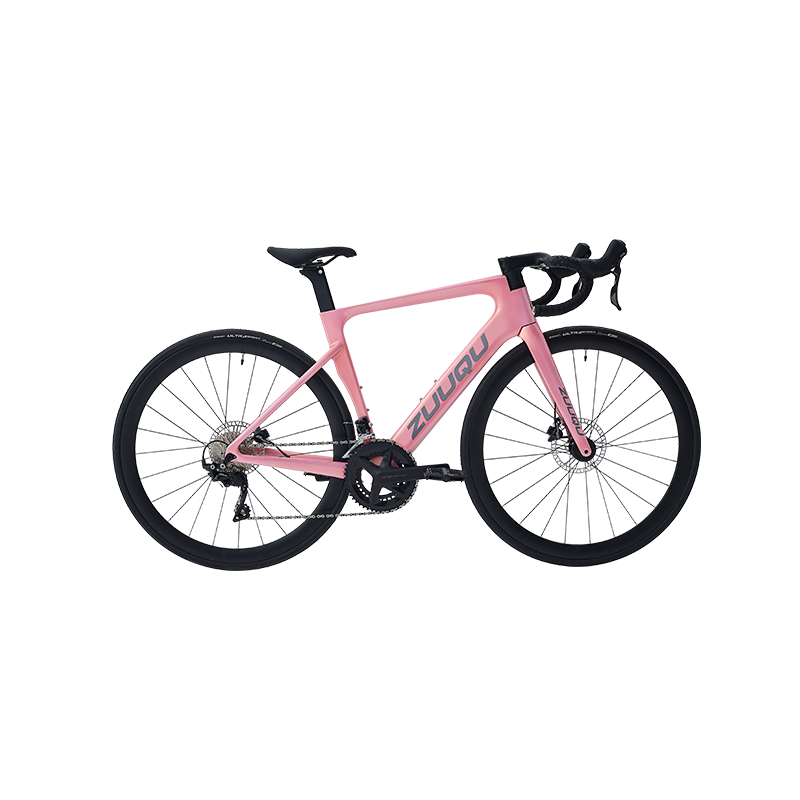
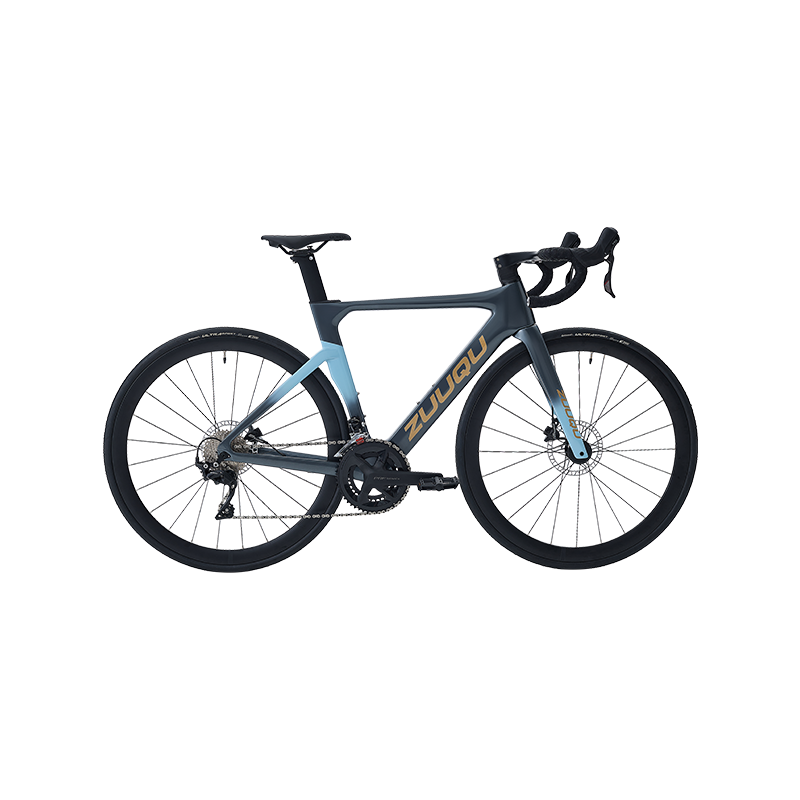
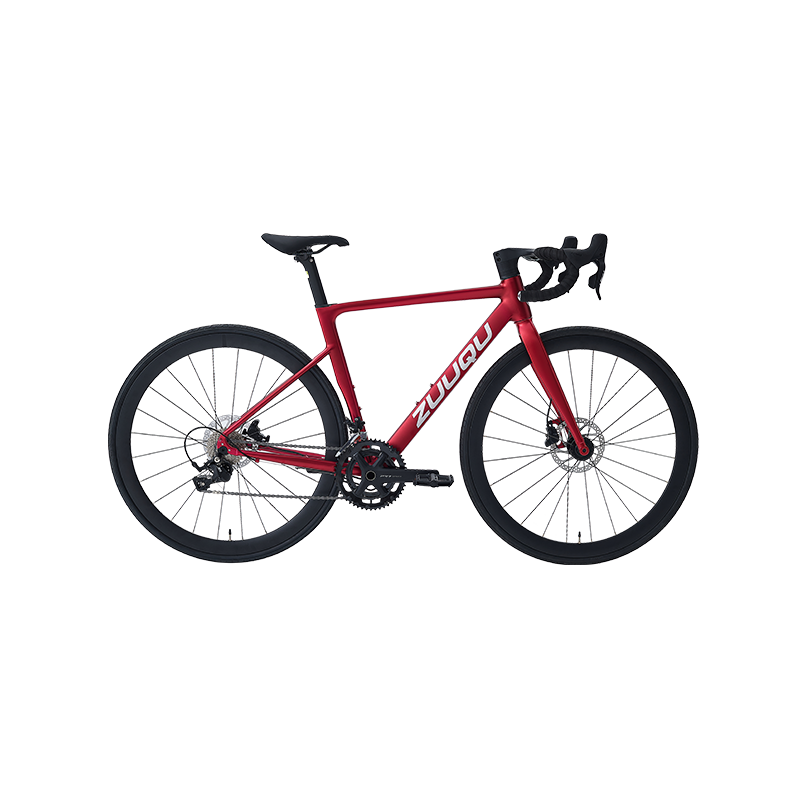
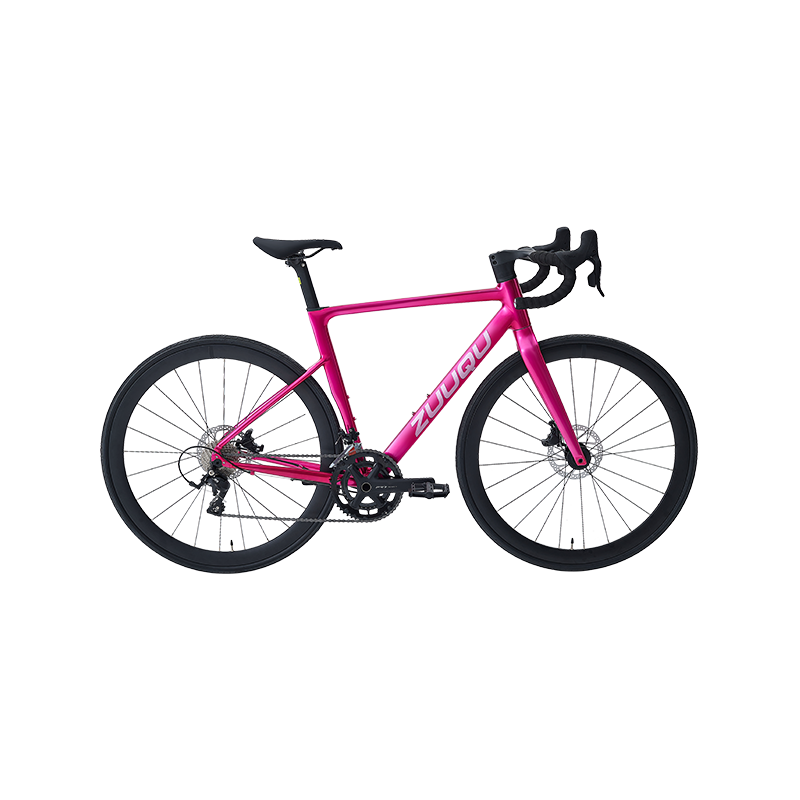
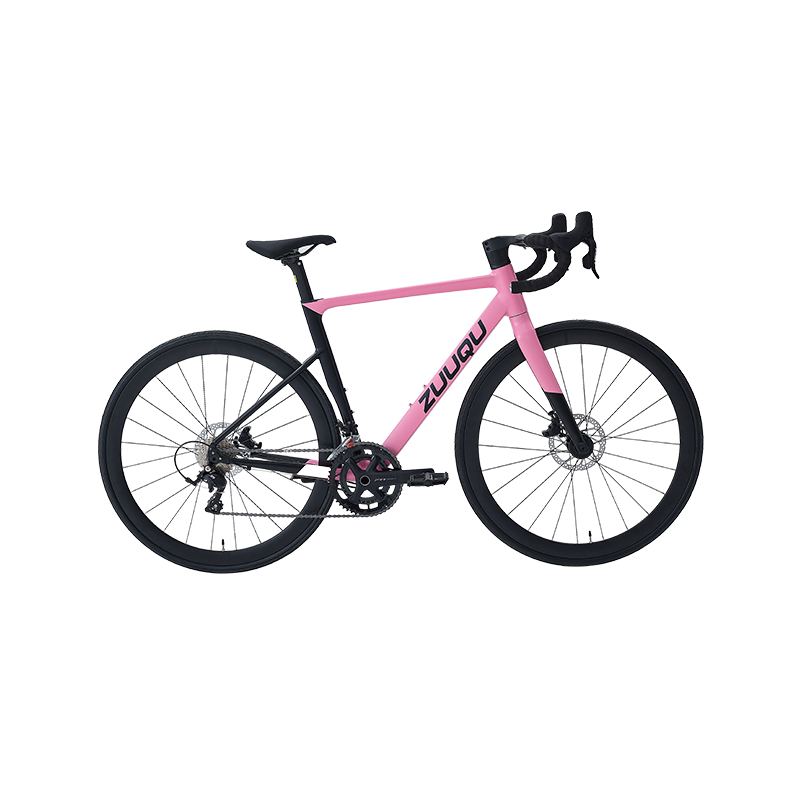
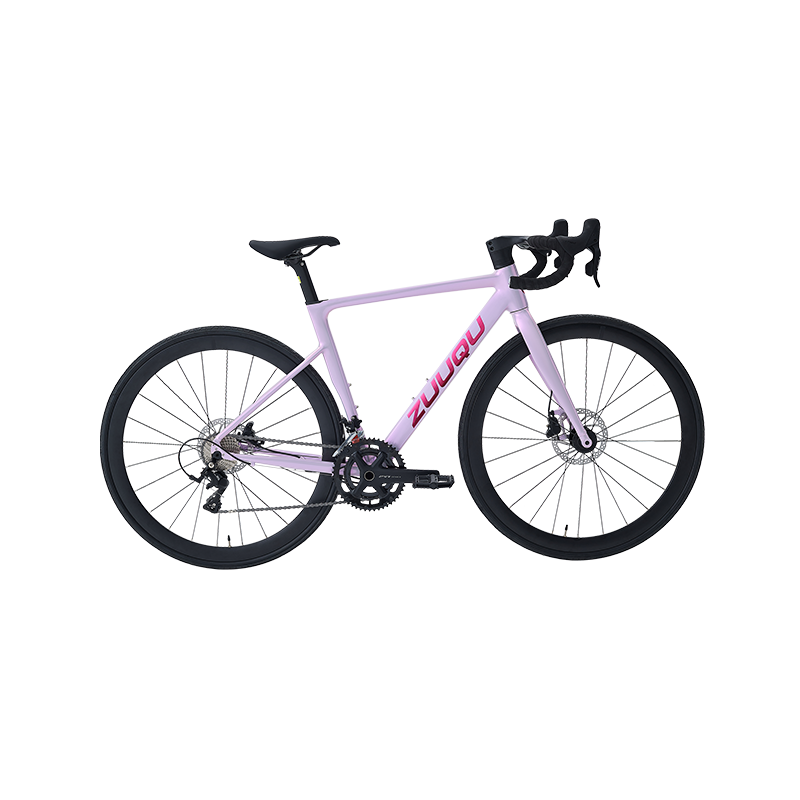
Lightweight and streamlined, road bikes are designed for paved paths and streets. They are suitable for older children who want speed and efficiency. Narrow tires and aerodynamic frames help kids learn to ride efficiently, build endurance, and practice proper riding posture.
Ensuring a child’s bike is both safe and comfortable is crucial. These features provide protection and make riding more enjoyable:
Regular maintenance keeps bikes safe, extends their lifespan, and ensures optimal performance. Simple steps can prevent accidents and costly repairs:
A comparison table helps parents quickly identify the best option for their child’s age, skill level, and riding environment.
| Bike Type | Recommended Age | Key Features | Ideal Terrain |
| Balance Bike | 2–4 years | No pedals, lightweight, low seat | Pavement, playgrounds |
| Pedal Bike with Training Wheels | 3–6 years | Training wheels, pedals, adjustable seat | Pavement, smooth paths |
| Mountain Bike | 5–12 years | Durable frame, wide tires, gears | Trails, uneven terrain |
| Road Bike | 8+ years | Lightweight, narrow tires, aerodynamic | Paved roads, bike paths |
Beyond choosing the right bike, motivating children to ride regularly helps build confidence, improve fitness, and develop motor skills. Parents can encourage riding by:
Selecting a kids bike involves evaluating wheel size, bike type, safety features, and maintenance requirements. A well-chosen bike not only ensures safety and comfort but also fosters a lifelong love of cycling. By guiding children in the right environment and providing proper equipment, parents can create fun, educational, and confidence-building experiences for their young riders.

© 2024 Zhejiang Hangyi Bicycle Manufacture CO., LTD. All rights
 OEM/ODM Bikes Manufacturers
Adult Bicycles Suppliers
OEM/ODM Bikes Manufacturers
Adult Bicycles Suppliers
 Linhang industry park, Zhuji,
  +86-18858280688