

 0
0

 中文简体
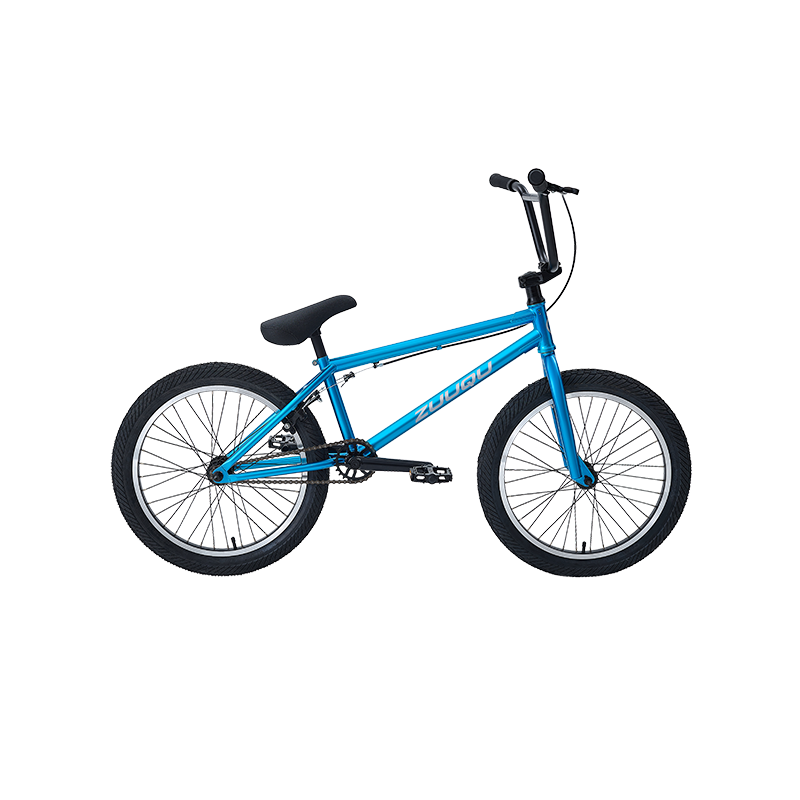
中文简体HYB-038 20"CR-MO BMX BIKE
The HYB-038 20" CR-MO BMX Bike is designed for high-performance freestyle riding, offering exceptional durability, ...

Content
When parents shop for kids bikes, the frame material is one of the most important decisions they face. Today, aluminum alloy has become the dominant material in quality children's cycling products — and for good reason. Compared to steel and wood alternatives, aluminum alloy offers an exceptional balance of lightweight construction, corrosion resistance, and structural durability that suits the active, rough-and-tumble nature of young riders.
Aluminum alloy frames typically weigh 30–40% less than comparable steel frames. For a child who is still developing muscle strength and coordination, a lighter bike means easier handling, better control, and less fatigue. This matters whether your child is just learning to balance or already exploring longer neighborhood rides.
Beyond weight, aluminum alloy resists rust naturally, which extends the lifespan of the bike significantly — especially in humid climates or when bikes are stored outdoors. Parents investing in a quality kids bike can expect it to remain structurally sound for years, and in many cases, pass it down to younger siblings without any significant deterioration.
One of the most critical factors in selecting kids bikes is matching the bike size to the child's age, height, and leg inseam. Riding a bike that is too large or too small creates safety risks and discourages children from developing confidence on two wheels. Below is a general sizing guide to help parents make informed decisions:
| Age Range | Wheel Size | Bike Type | Key Features |
|---|---|---|---|
| 2–3 years | 10–12 inch | Balance Bike | No pedals, low seat, lightweight frame |
| 3–5 years | 12–14 inch | Balance Bike / Pedal Bike | Adjustable seat, hand brake option |
| 5–7 years | 16 inch | Pedal Bike | Training wheels optional, caliper brakes |
| 7–10 years | 20 inch | Pedal Bike | Multi-speed gears, front suspension option |
| 10–12 years | 24 inch | Junior Mountain / Road Bike | Derailleur gears, disc brakes available |
Always prioritize inseam measurement over age when selecting wheel size. A child should be able to place both feet flat on the ground when seated, especially for beginners. As confidence grows, a slightly higher saddle position promotes better pedaling efficiency.
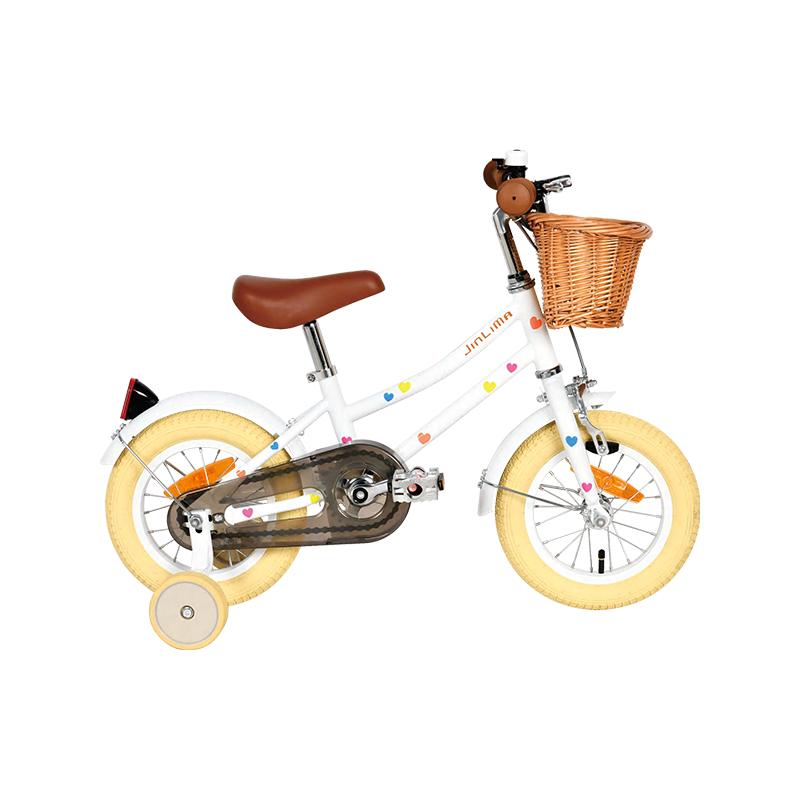
The kids balance bike has transformed the way young children learn to ride. Unlike traditional bikes with training wheels, balance bikes have no pedals — children propel themselves by pushing their feet against the ground, gradually building speed and learning to glide. This natural method of learning directly trains the core skill of balancing, making the transition to a pedal bike much smoother later on.
Balance bikes are most suitable for children aged 2 to 5 years old. At this stage, toddlers benefit enormously from developing proprioception (body awareness), coordination, and confidence in motion. Studies in child motor development suggest that children who start on balance bikes often skip training wheels entirely and transition directly to two-wheel pedal bikes by age 4 or 5.
Hangyi kids bike manufacturers design balance bikes with adjustable seat heights, ergonomic handlebars, and durable foam or pneumatic tires to ensure comfort and safety across diverse terrain — from smooth park paths to slightly uneven playground surfaces.
Kids bikes are primarily manufactured using two categories of materials: metal (including steel and aluminum alloy) and wood. Each has its own set of strengths and limitations that parents should understand before making a purchase.
Metal bikes dominate the market for good reason. They deliver superior safety, operability, stability, and durability compared to wooden alternatives. Steel bikes are heavier but very robust, often used for entry-level or budget-conscious purchases. Aluminum alloy bikes cost more but offer a significant advantage in weight reduction without sacrificing structural strength — a key consideration for young riders who need to handle their bike independently.
Wooden balance bikes appeal to parents seeking eco-friendly, aesthetically natural options for very young toddlers. They are typically suitable for indoor or gentle outdoor use on smooth surfaces. However, wood is susceptible to moisture damage, splinting over time, and lacks the structural adaptability for varied terrain. For families seeking long-term durability and outdoor versatility, metal — and specifically aluminum alloy — remains the stronger investment.
Safety is non-negotiable when it comes to children's products, and kids bikes are subject to strict international quality and safety standards. Parents should always verify that a bike has passed relevant certifications before purchase. The most recognized standards include:
All products from Hangyi kids bike manufacturers have passed international certification requirements, ensuring that each bike — from toddler balance bikes to full-size pedal bikes — meets rigorous standards for structural integrity, paint safety, brake performance, and handlebar stability. This gives parents and retail buyers worldwide the confidence to choose with full assurance.
When reviewing certifications, also check for non-toxic paint finishes, smooth weld points with no sharp edges, and secure grip tape or rubber handlebar ends — practical safety details that go beyond certification paperwork and directly protect children during daily use.
With so many options on the market, narrowing down the right kids bike can feel overwhelming. The following checklist covers the most important factors to evaluate before committing to a purchase:
Choosing a well-made kids bike — particularly one built with a quality aluminum alloy frame and backed by international safety certification — is an investment in your child's physical development, confidence, and love of outdoor activity. Whether you're starting with a balance bike for a 2-year-old or upgrading to a 20-inch pedal bike for a growing 8-year-old, the right choice makes every ride safer and more enjoyable.

© 2024 Zhejiang Hangyi Bicycle Manufacture CO., LTD. All rights
 OEM/ODM Bikes Manufacturers
Adult Bicycles Suppliers
OEM/ODM Bikes Manufacturers
Adult Bicycles Suppliers
 Linhang industry park, Zhuji,
  +86-18858280688