

 0
0

 中文简体
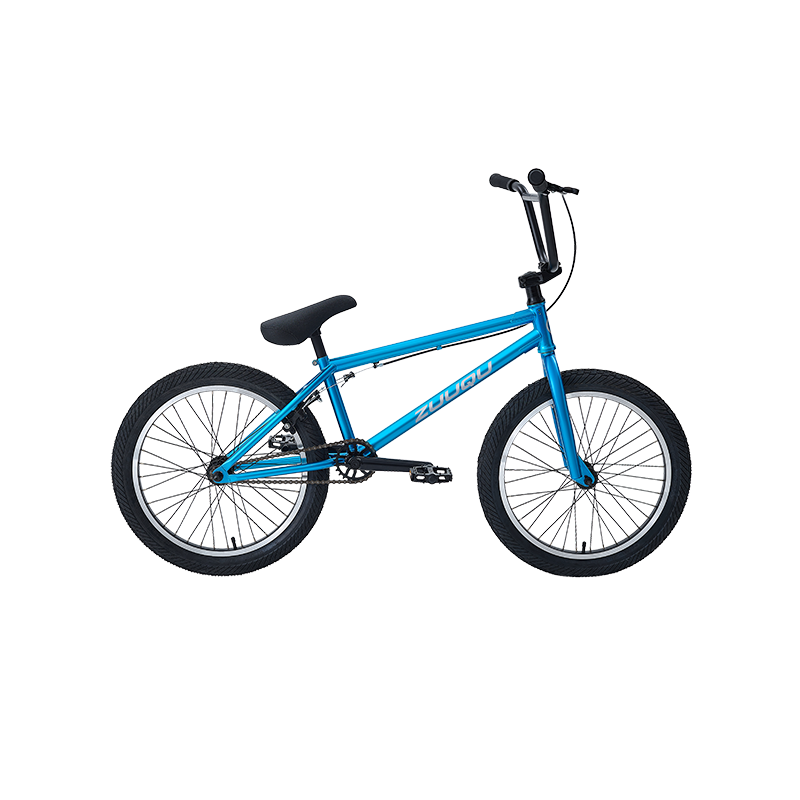
中文简体HYB-038 20"CR-MO BMX BIKE
The HYB-038 20" CR-MO BMX Bike is designed for high-performance freestyle riding, offering exceptional durability, ...

Content
Suspension systems are one of the most important features of a mountain bike, influencing its performance, comfort, and handling on rough trails. A bike's suspension system absorbs impacts, smooths out uneven terrain, and improves control, making it essential for off-road riding. When choosing a mountain bike, riders are often faced with two main suspension options: hardtail and full suspension. Both systems have distinct advantages depending on the type of riding and terrain, but understanding their differences can help you make an informed decision. In this article, we'll compare hardtail and full suspension systems, highlighting the benefits and trade-offs of each.
A hardtail mountain bike features a suspension fork in the front, but it lacks rear suspension. This means the rear of the bike is rigid, providing a more direct connection to the trail. The suspension fork absorbs shocks and vibrations from rough terrain, while the rigid rear frame helps improve pedaling efficiency and overall bike handling.
Hardtail bikes are typically lighter and more affordable than full suspension bikes, making them a popular choice for riders who prioritize speed and efficiency. They're ideal for cross-country riding, smooth trails, and races where the focus is on climbing and fast, responsive handling. However, they can be less comfortable on technical trails or rough terrain due to the lack of rear shock absorption.
Full suspension mountain bikes, also known as dual suspension bikes, are equipped with both front and rear suspension. This system includes a shock absorber in both the front fork and the rear triangle of the bike, allowing the entire bike to absorb impacts from rough terrain.
The advantage of full suspension is superior comfort and control on technical trails, rocky descents, and uneven surfaces. By absorbing both front and rear impacts, full suspension bikes reduce the strain on the rider's body, making them ideal for downhill mountain biking, trail riding, and enduro-style riding. However, full suspension bikes tend to be heavier and more expensive, and they can sacrifice pedaling efficiency on smooth terrain compared to hardtails.
When deciding between a hardtail and full suspension mountain bike, several factors should be considered, including the type of riding you plan to do, your budget, and your personal preferences. Here’s a breakdown of the key differences:
Hardtail mountain bikes are ideal for riders who mostly ride smooth to moderately rough trails and prioritize speed and efficiency. They are often chosen for cross-country (XC) races, fitness rides, or recreational riding on dirt trails and gravel paths. If you plan to ride primarily on smoother terrain or do a lot of climbing, a hardtail bike offers a more responsive and lighter option, allowing you to pedal more efficiently without being slowed down by rear suspension.
Full suspension mountain bikes excel in more technical terrain, where comfort and control are paramount. They are perfect for aggressive trail riders, downhill biking, and enduro-style races, where the trails are rough, rocky, and often require the bike to handle big drops or jumps. If you’re tackling challenging terrain that includes rocks, roots, and steep descents, a full suspension bike will provide the comfort and stability needed to ride at your best.
Choosing between a hardtail and a full suspension mountain bike comes down to your individual riding style and the type of trails you plan to ride. If you're new to mountain biking or prefer speed and climbing efficiency on smooth trails, a hardtail might be the best choice. However, if you plan to ride more technical, rough terrain or want a more comfortable ride with better handling on descents, a full suspension bike may be the better option.
Ultimately, both types of bikes offer distinct advantages, and your choice should reflect your riding preferences, the terrain you typically ride, and your budget. Whether you opt for the simplicity and efficiency of a hardtail or the comfort and control of a full suspension bike, both are capable of delivering an exciting and enjoyable mountain biking experience.
In the end, the decision between a hardtail and a full suspension mountain bike comes down to your specific needs and preferences as a rider. Both have their advantages, and both can offer an exciting and enjoyable riding experience. By understanding the differences between the two suspension systems, you can select the bike that best suits your riding style, ensuring that your mountain biking adventures are both enjoyable and safe.

© 2024 Zhejiang Hangyi Bicycle Manufacture CO., LTD. All rights
 OEM/ODM Bikes Manufacturers
Adult Bicycles Suppliers
OEM/ODM Bikes Manufacturers
Adult Bicycles Suppliers
 Linhang industry park, Zhuji,
  +86-18858280688