

 0
0

 中文简体
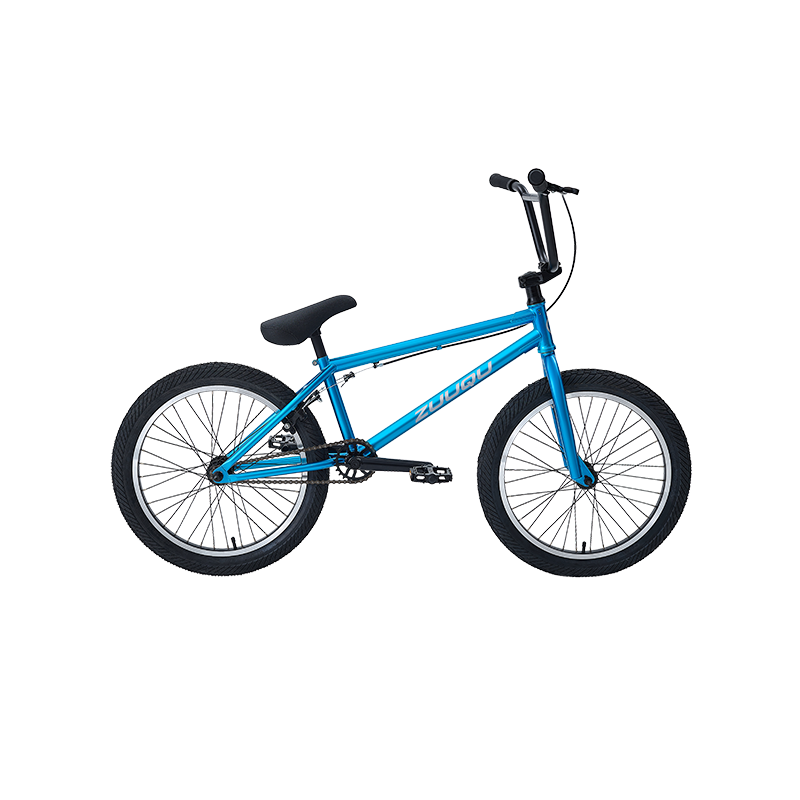
中文简体HYB-038 20"CR-MO BMX BIKE
The HYB-038 20" CR-MO BMX Bike is designed for high-performance freestyle riding, offering exceptional durability, ...

Content
If the goal is to ride off-road terrain such as trails, rocky paths, or steep descents, mountain bikes provide the stability, traction, and durability required for these environments. Compared with road or hybrid bicycles, mountain bikes use wider tires, reinforced frames, and suspension systems designed to absorb impacts from uneven surfaces. These features allow riders to maintain control on loose soil, gravel, roots, and rocks.
A practical rule used by many cycling retailers is that riders who expect to spend more than 70 percent of their time on dirt trails or rough terrain will benefit from a dedicated mountain bike rather than a general-purpose bicycle. Mountain bikes also support a wide range of riding styles, including cross-country riding, trail riding, enduro, downhill, and bikepacking. Each category prioritizes different performance characteristics such as climbing efficiency, suspension travel, or durability.
Understanding the main components and structural differences between mountain bikes helps riders select a model that matches their terrain, riding frequency, and performance expectations.
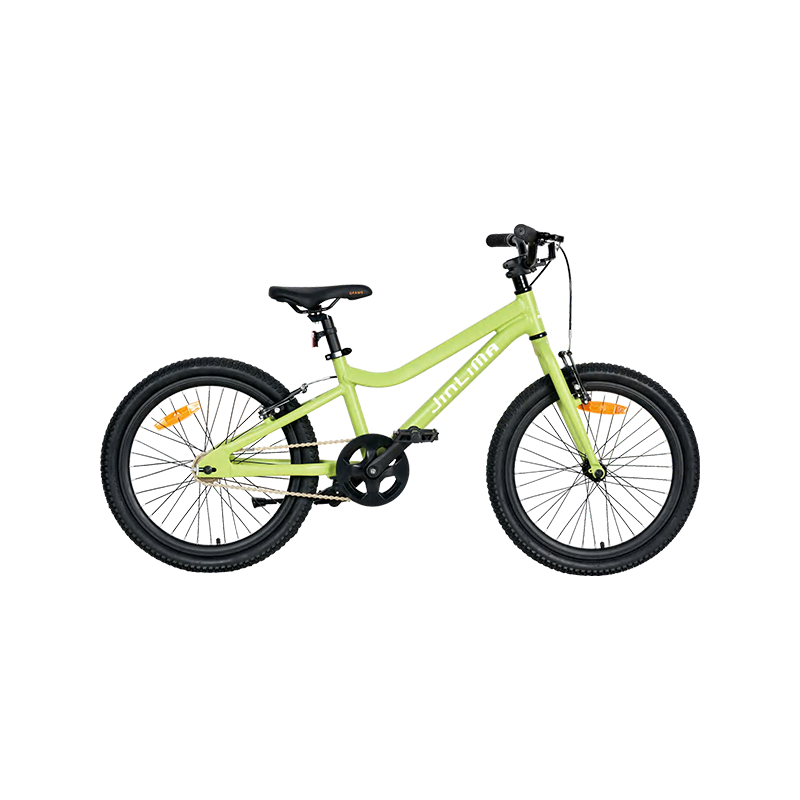
Mountain bikes differ from other bicycles primarily through their geometry, suspension design, tire width, and braking systems. These structural characteristics directly influence handling, comfort, and control on rough terrain.
Mountain bike frames are designed with a slacker head tube angle and longer wheelbase compared with road bikes. This geometry improves stability when descending steep trails and helps riders maintain control over obstacles. Many modern trail bikes use head angles between 64° and 67°, which balances maneuverability with downhill stability.
Typical mountain bike tires range from 2.2 to 2.6 inches in width. The larger contact area increases grip on loose terrain. Aggressive tread patterns further enhance traction by allowing the tire to dig into dirt or mud surfaces.
Hydraulic disc brakes are widely used in mountain bikes because they maintain braking power even in wet or muddy conditions. Riders descending steep trails rely on consistent braking performance to control speed and avoid wheel lock.
Mountain bikes are designed for different riding disciplines. The following table summarizes typical design priorities across common categories.
| Bike Type | Suspension Travel | Primary Terrain | Typical Use |
|---|---|---|---|
| Cross-Country | 80–120 mm | Smooth trails, rolling terrain | Speed and endurance riding |
| Trail | 120–150 mm | Mixed terrain | All-around riding |
| Enduro | 150–180 mm | Steep technical trails | Aggressive downhill riding |
| Downhill | 180–200 mm | Extreme downhill courses | Lift-assisted bike parks |
For example, a trail bike with 140 mm suspension travel provides a balance between climbing ability and descending control, making it one of the most widely purchased mountain bike configurations.
The frame material influences weight, durability, and price. Mountain bikes are commonly manufactured using aluminum, carbon fiber, or steel alloys.
In competitive cross-country racing, riders often select carbon frames weighing around 900 to 1,200 grams, which helps reduce total bike weight and improve climbing efficiency. However, aluminum frames remain common for recreational riders because they offer reliable strength at a lower cost.
Suspension systems help absorb shocks generated by rocks, roots, and uneven terrain. Mountain bikes use either hardtail or full-suspension designs.
Hardtail bikes include front suspension only. They typically weigh less and require less maintenance. Riders who focus on cross-country trails or smoother dirt paths often choose hardtails because of their efficient power transfer when pedaling uphill.
Full-suspension bikes incorporate both front forks and rear shock absorbers. The additional suspension travel allows the wheels to maintain contact with the ground over obstacles, improving control during technical descents. Trail riders frequently report 10–20 percent improved traction on rocky trails when using full suspension compared with rigid rear frames.
Choosing the right mountain bike requires evaluating terrain, riding frequency, and budget. Several practical factors influence long-term satisfaction with the bike.
Industry sales data from cycling retailers indicate that trail bikes represent more than 40 percent of global mountain bike purchases. Their versatility makes them suitable for a wide range of riders who want a single bike capable of climbing, descending, and general trail exploration.

© 2024 Zhejiang Hangyi Bicycle Manufacture CO., LTD. All rights
 OEM/ODM Bikes Manufacturers
Adult Bicycles Suppliers
OEM/ODM Bikes Manufacturers
Adult Bicycles Suppliers
 Linhang industry park, Zhuji,
  +86-18858280688