

 0
0

 中文简体
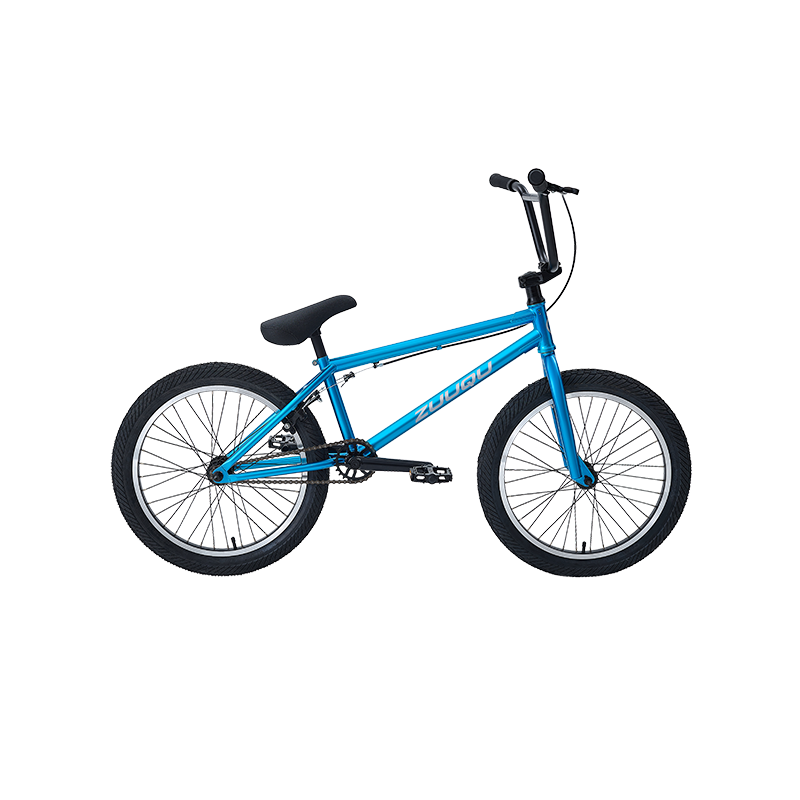
中文简体HYB-038 20"CR-MO BMX BIKE
The HYB-038 20" CR-MO BMX Bike is designed for high-performance freestyle riding, offering exceptional durability, ...

Content
The material of a mountain bike frame plays a critical role in its weight, durability, and overall performance. Choosing the right frame material can affect climbing efficiency, handling, and how well the bike withstands impacts from rough trails. Common mountain bike frame materials include aluminum, steel, carbon fiber, and titanium, each offering distinct advantages and trade-offs.
Aluminum is one of the most popular materials for mountain bike frames due to its light weight and affordability. Aluminum frames are generally stiffer than steel, which translates to efficient power transfer while pedaling. Modern aluminum alloys can be shaped into complex geometries, allowing manufacturers to optimize strength-to-weight ratios. However, aluminum tends to absorb less vibration, which may result in a slightly harsher ride on rough trails.
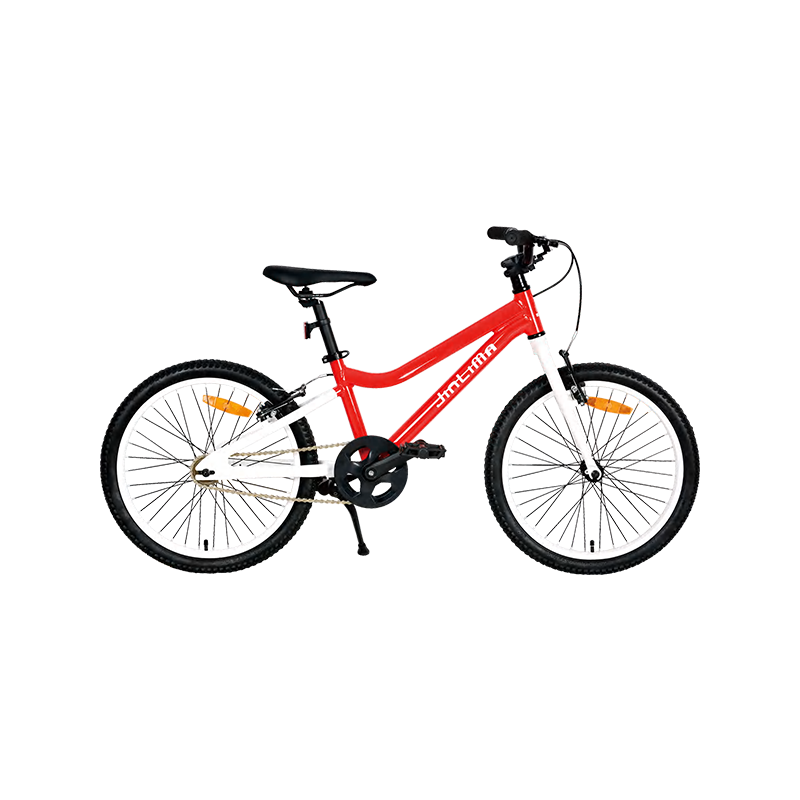
Steel has been used in bike frames for decades due to its toughness and smooth ride quality. Steel frames absorb trail vibrations effectively, making long rides more comfortable. While steel is heavier than aluminum and carbon fiber, it is extremely resilient to impacts and can often be repaired if damaged. High-quality steel alloys, such as chromoly, offer a good balance of strength and weight.
Carbon fiber frames are prized for their light weight and stiffness. They provide superior performance for climbing, acceleration, and overall handling. Carbon can be molded into aerodynamic and optimized shapes that balance strength and flexibility. While highly efficient, carbon fiber is more susceptible to impact damage and requires careful handling and maintenance to avoid cracks or fractures.
Titanium combines many of the benefits of aluminum and steel, offering a lightweight frame with exceptional durability and smooth ride quality. Titanium frames are highly resistant to corrosion and fatigue, making them ideal for long-term use in challenging environments. They are more expensive due to the complexity of manufacturing, but many riders value the combination of performance and longevity.
The following table summarizes key differences between common mountain bike frame materials, helping you choose the right option based on weight, durability, and ride quality.
| Material | Weight | Durability | Ride Comfort | Cost |
| Aluminum | Light | Strong, can crack on impact | Moderate, stiffer ride | Affordable |
| Steel | Heavier | Extremely durable, repairable | Smooth, absorbs trail vibration | Moderate |
| Carbon Fiber | Very light | Durable under normal use, impact-sensitive | Moderate to stiff, excellent power transfer | High |
| Titanium | Light | Extremely durable, corrosion-resistant | Very smooth, vibration damping | Very high |
Selecting a mountain bike frame material depends on your priorities for weight, durability, ride comfort, and budget. Aluminum is ideal for lightweight, affordable bikes. Steel provides durability and a smooth ride. Carbon fiber maximizes performance for serious riders, while titanium offers the ultimate combination of strength, weight, and comfort. Understanding these differences helps you make an informed choice for your mountain biking adventures.

© 2024 Zhejiang Hangyi Bicycle Manufacture CO., LTD. All rights
 OEM/ODM Bikes Manufacturers
Adult Bicycles Suppliers
OEM/ODM Bikes Manufacturers
Adult Bicycles Suppliers
 Linhang industry park, Zhuji,
  +86-18858280688